Keloid scars remain one of dermatology’s most puzzling challenges. Why do some people form large, raised scars from tiny cuts or piercings, while others heal without a mark? Why do keloids run in some families, but not others? In 2025, we’re closer than ever to answering these questions — and genetic testing is opening a new chapter in scar prevention.
At The London Keloid Scar Clinic, we believe the future of keloid care lies in prediction as much as treatment. In this article, we’ll explore the role of genetics in keloid formation, emerging testing tools, and how you can use this knowledge to make more informed decisions about your skin.
What Are Keloids — and Why Are They So Different?
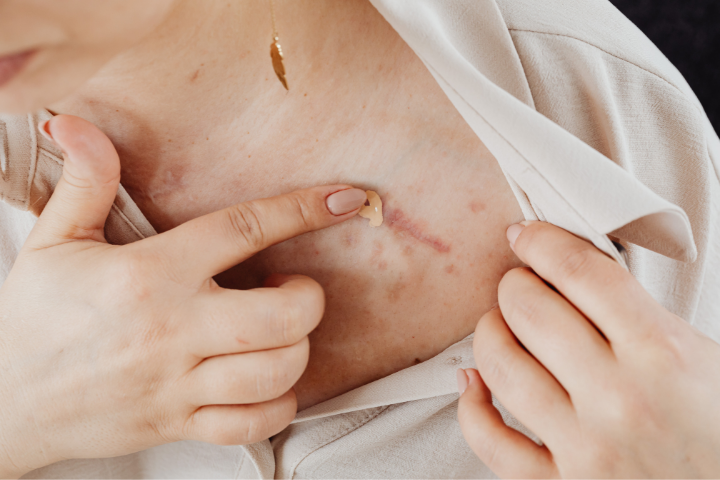
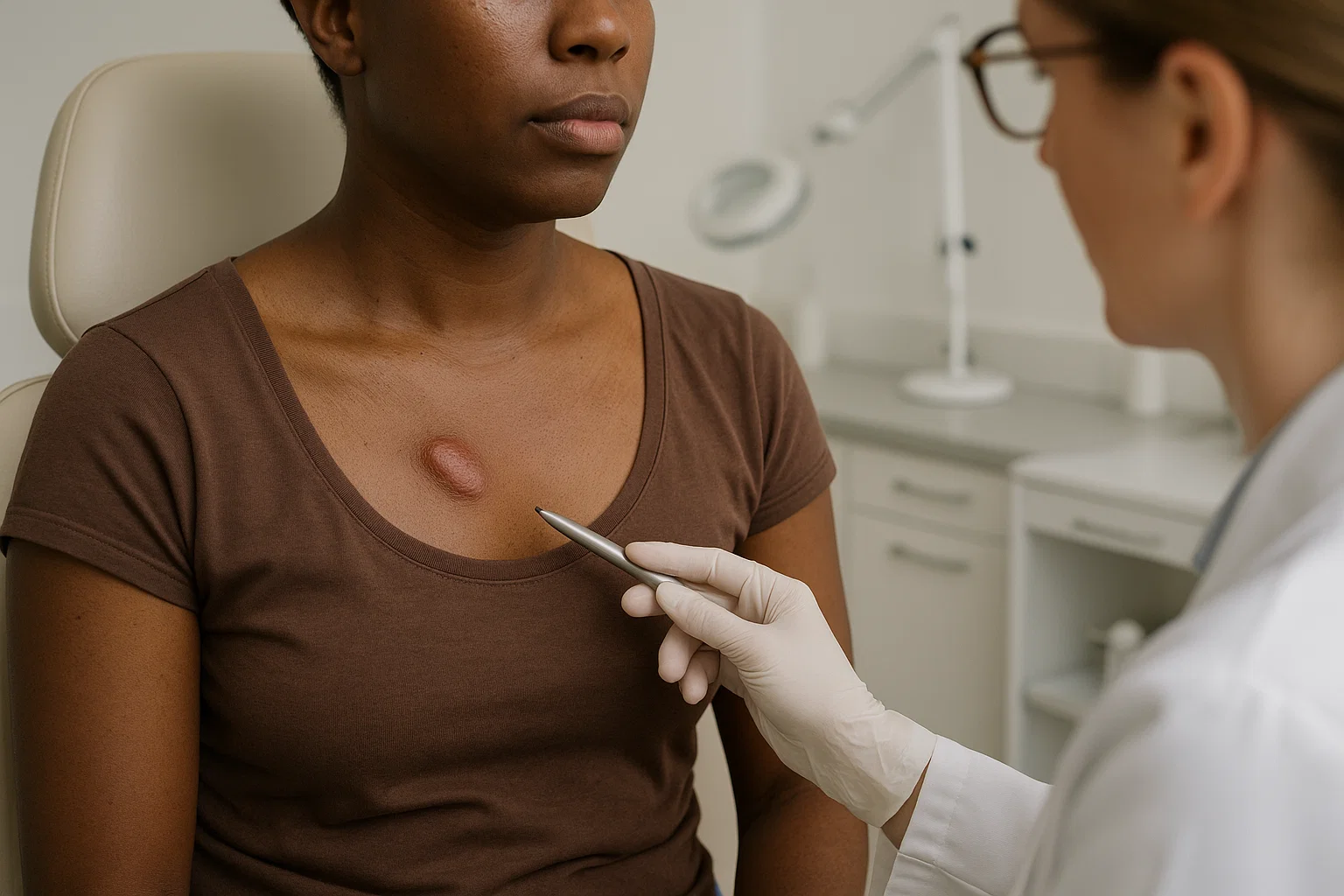
Keloids are raised, fibrous scars that grow beyond the boundaries of the original wound. Unlike hypertrophic scars, which tend to flatten with time, keloids can continue to grow for months or even years. They often appear shiny, discoloured, and can be itchy or painful.
What makes them so unique is their unpredictable behaviour. Minor trauma, like an ear piercing or acne lesion, can result in massive scarring in some individuals — while others with deep wounds never form a keloid at all.
Are Keloids Genetic?
Yes — growing evidence strongly suggests a hereditary component to keloid formation. If you have close relatives with keloid scarring, you’re significantly more likely to develop them yourself.
Key Genetic Observations:
- First-degree relatives (e.g., parents or siblings) of keloid sufferers often show a 3–5x increased risk.
- Keloids are more common in individuals with Fitzpatrick skin types IV–VI, particularly those of African, Caribbean, South Asian, Middle Eastern, or Latin American descent.
- Twin studies and family-based genome research support a polygenic inheritance model, meaning multiple genes may be involved.
Which Genes Are Involved?
While no single “keloid gene” has been identified, researchers have pinpointed several genes and pathways that may play a role:
🧬 COL1A1 and COL3A1
- These genes regulate the production of collagen types I and III.
- Overexpression may lead to the excessive collagen seen in keloids.
🧬 TGF-β (Transforming Growth Factor Beta)
- A key driver of inflammation and wound healing.
- Increased levels can cause hyperactive fibroblasts and unregulated tissue repair.
🧬 SMAD and PTEN Pathways
- Influence cell growth and tissue remodelling.
- Variants may alter the skin’s response to injury.
These genetic markers are being actively studied as part of personalised medicine research, particularly in Japan, the UK, and South Korea.
Can I Take a Genetic Test for Keloids?
Currently, there is no standardised “keloid gene test” available on the NHS or privately. However, genetic risk profiling services are emerging, particularly in private dermatology settings.
These panels typically include:
- Skin healing and scarring-related genes
- Inflammatory response markers
- Collagen metabolism indicators
While still in development, these tests may soon offer personalised risk assessments for people considering:
- Elective surgery
- Cosmetic procedures
- Piercings or tattoos
- Laser or microneedling treatments
At The London Keloid Scar Clinic, we’re closely monitoring the latest developments in predictive testing and will be among the first to offer verified, clinically-relevant genetic screening for scar-prone individuals.
→ Stay updated by visiting our Research and Support page.
How Else Can You Assess Your Risk?
Even without a formal genetic test, you can evaluate your likelihood of developing keloids by considering the following:
- Do you or your parents have any raised scars?
- Have you developed a thick scar from a piercing or acne in the past?
- Does your skin tone fall in the medium to dark brown range?
- Have previous surgical scars healed with a raised, discoloured bump?
If you answer yes to any of the above, you may benefit from pre-emptive keloid prevention.
→ Learn more about our Preventing Keloid Recurrence approach.
Why Prevention Matters: Not Just Treatment
The biggest challenge with keloids is not just removing them — it’s stopping them from coming back. Even after successful removal or flattening, recurrence rates can be as high as 50–90% without proper follow-up.
This is where understanding your inherent risk becomes invaluable. With that knowledge, we can tailor your aftercare with:
- Corticosteroid or 5-FU injections
- Pressure dressings or earrings
- Silicone therapy
- Lifestyle and skin trauma guidance
→ Explore all our treatment options designed for long-term results.
Case Example: Genetic Awareness in Action
Patient: Male, 22, British-Nigerian
History: Developed large keloid after shoulder acne at age 17
Mother and aunt: Both with earlobe keloids
Consultation decision: Avoided elective tattoo, began silicone treatment for recent cut
Outcome: No new keloid formation; patient remains scar-free with ongoing monitoring.
This example shows how genetic insight and informed decision-making can change a person’s keloid trajectory.
Lifestyle Factors: Genes Aren’t Everything
While genetics play a key role, environmental triggers also influence keloid risk. These include:
- Tight or poorly sterilised jewellery
- Friction, pressure or trauma during healing
- Delayed wound closure
- Repeated inflammation or scratching
This is why, regardless of your genetic background, protective wound care is essential — especially in the first 6–12 weeks after injury.
→ See our full consultation and treatment process for personalised scar planning.
What the Future Holds: Personalised Scar Medicine
By 2030, we expect to see:
- Routine risk testing before cosmetic or surgical procedures
- Pharmacogenetic profiling to match patients with the most effective treatment
- Targeted gene therapies to “turn off” excessive collagen production
At The London Keloid Scar Clinic, we’re already laying the groundwork for this future — by combining evidence-based care with emerging innovations.
Conclusion: Know Your Risk, Shape Your Outcome
Keloid scars may be written in your genes — but how they unfold is still up to you. With modern knowledge, proactive planning, and expert care, you can take control of your healing process and avoid unnecessary scarring.
Whether you’re considering a new piercing, planning surgery, or simply want answers, our team is here to guide you.
→ Book your consultation today to understand your keloid risk and discover how we can help you protect your skin — from the inside out.