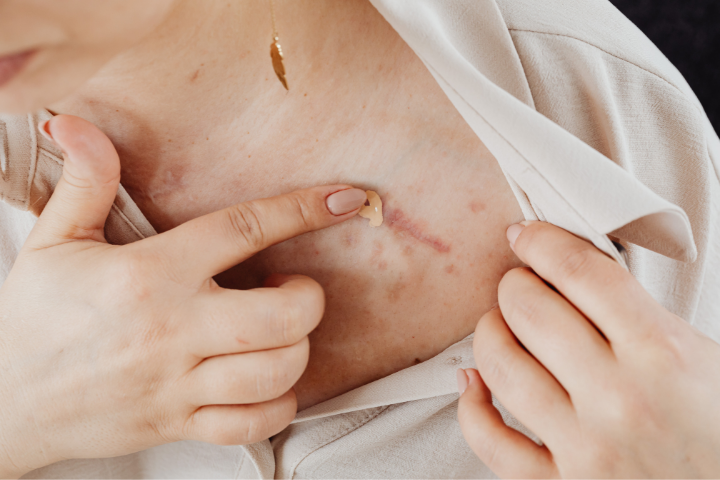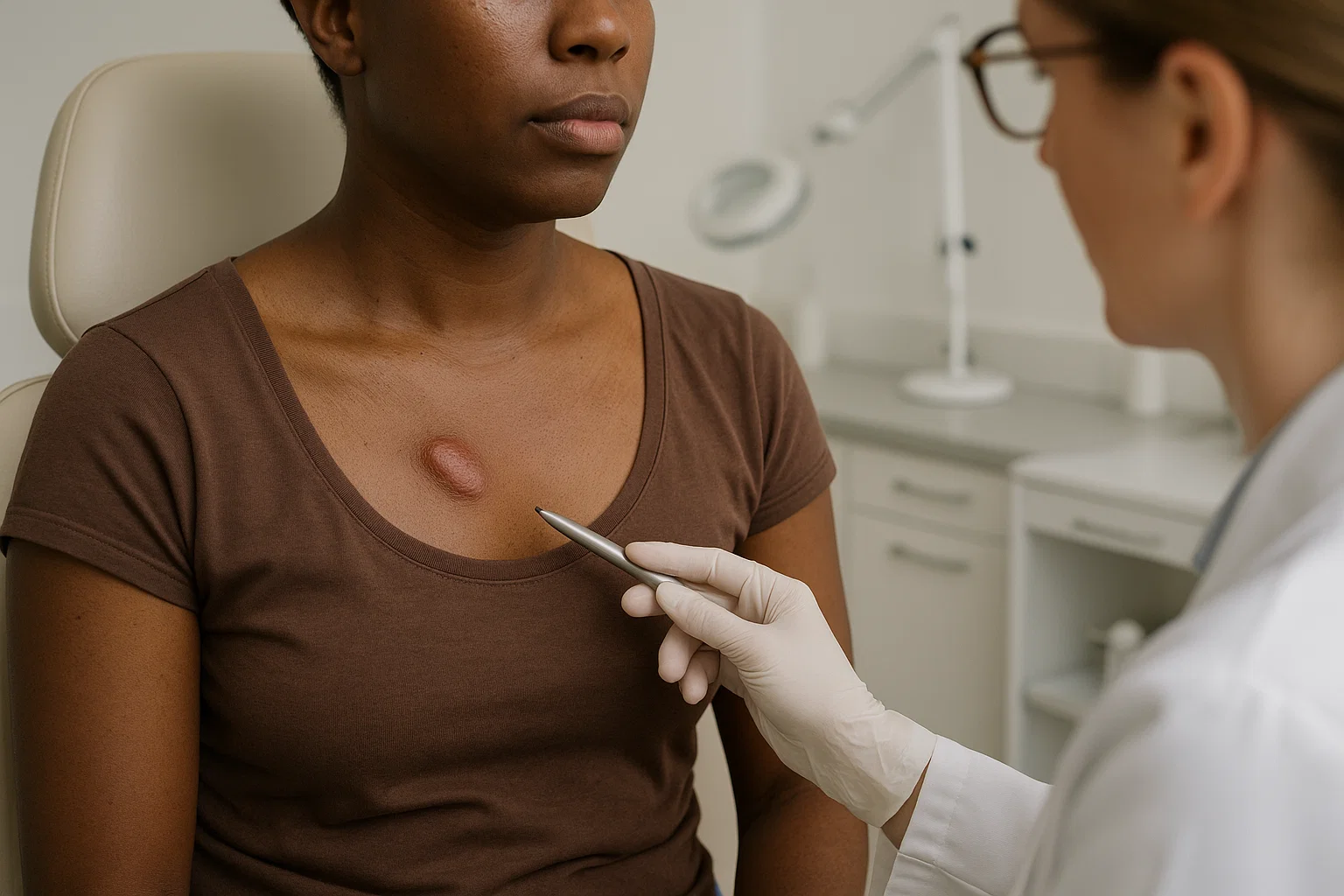
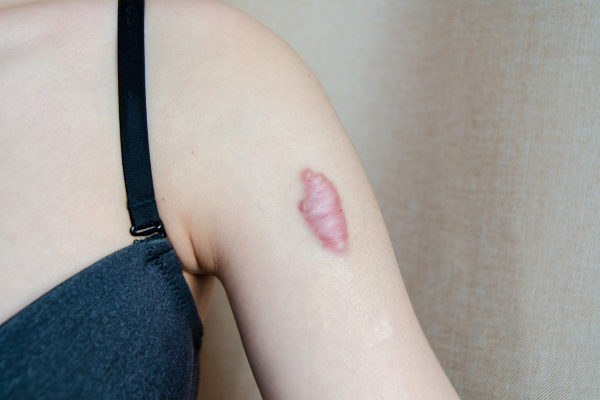
For many people living with keloid scars, one of the most common and frustrating questions is why a scar can seem to return after it has already been treated. A keloid may appear flatter, softer, or less noticeable for a period of time, only to slowly become raised or uncomfortable again. This experience can leave patients feeling uncertain about whether long-term improvement is truly possible.
Understanding recurrence begins with recognising that keloids behave differently from most other types of scars. Their growth is linked to an overactive healing response within the skin, which can remain active beneath the surface even when visible changes suggest that the scar has settled. By exploring how this process works and how modern clinics approach ongoing care, patients can gain clearer insight into the steps that help reduce the risk of regrowth and support more stable, long-term results.
What Makes Keloids Different from Other Scars
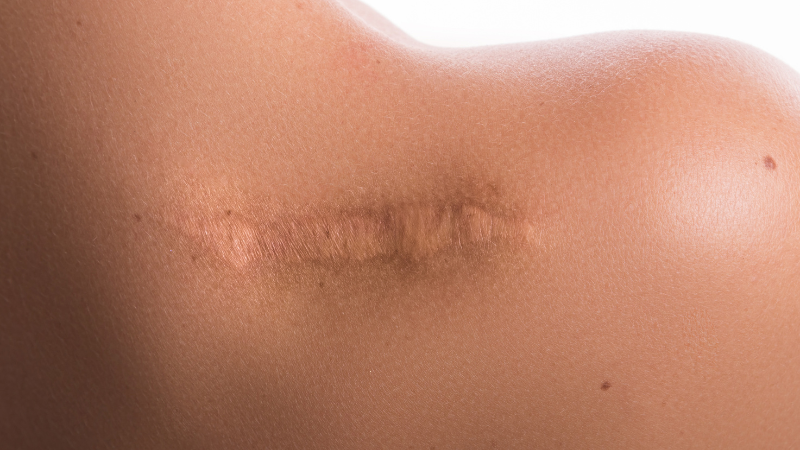
Keloids differ from typical scars in the way the skin continues to respond long after a wound has healed. In a normal healing process, collagen production slows down once the skin has repaired itself. With keloids, this process remains active, leading to the ongoing build-up of dense, raised tissue that can extend beyond the original area of injury.
This persistent activity is one of the key reasons keloids behave less predictably than other types of scars. Even when a scar appears to improve on the surface, the deeper layers of tissue may still be producing collagen at a higher rate than normal. As a result, changes in appearance or comfort can fluctuate over time, making long-term management an important part of keloid care rather than a single, one-time treatment.
Common Reasons Keloids Can Grow Back After Treatment
1.Ongoing collagen activity beneath the surface
Even when a keloid appears flatter or less noticeable, the cells responsible for producing collagen can remain active within the deeper layers of the skin. This hidden activity can gradually lead to the scar becoming raised again over time.
2.Physical tension and movement around the scar area
Keloids located on areas such as the chest, shoulders, or joints are often exposed to regular stretching and movement. This repeated tension can stimulate the skin’s healing response, increasing the likelihood of renewed scar growth.
3.Stopping treatment or follow-up too early
Some scars show early improvement but still require ongoing monitoring. Ending treatment before the scar has fully stabilised can allow the underlying biological processes to become active again.
4.Individual skin response and genetic tendencies
Certain individuals naturally form more aggressive scar tissue due to their skin type or family history. This personal tendency can influence how likely a keloid is to return, even with careful treatment.
The Role of Long-Term Scar Behaviour
A keloid scar does not simply reach an “end point” once a course of treatment is completed. Instead, the tissue can continue to change over the months that follow, responding to both internal biological signals and external factors such as movement, pressure, or minor irritation to the skin.
Because of this, long-term observation becomes an important part of keloid care. Regular reviews allow specialists to assess whether the scar is remaining stable or showing early signs of renewed activity. Subtle changes in firmness, colour, or sensation can offer valuable clues about how the scar is behaving beneath the surface, making it possible to adjust the management plan before more visible regrowth occurs.
How Modern Clinics Reduce the Risk of Recurrence

Modern keloid care focuses on more than treating what is visible on the surface. At specialist centres such as the London Keloid Scar Clinic, the approach often begins with a detailed assessment of how the scar developed, how it has responded to previous treatments, and which areas of the body may be placing added tension on the skin.
Rather than following a fixed protocol, treatment plans are usually adjusted over time based on how the scar behaves between sessions. This may include combining different therapies, spacing treatments to allow proper tissue response, and reviewing progress at regular intervals. By keeping the focus on long-term control rather than short-term change, clinics aim to reduce the chance of the scar becoming active again.
Patient education also plays an important role. Understanding how daily habits, skin care, and early warning signs can influence scar behaviour helps patients feel more involved in their own management. This shared approach between specialist and patient supports steadier, more predictable outcomes over the months that follow treatment.
Conclusion
Keloid recurrence can feel discouraging, but it is often a reflection of how the skin’s healing process continues beneath the surface rather than a sign that treatment has failed. Understanding why keloids behave this way helps patients approach care with more realistic expectations and a greater sense of control over their long-term results.
With specialist-led support, personalised treatment planning, and regular follow-up, many patients are able to manage their scars more effectively over time. Clinics such as the London Keloid Scar Clinic focus on guiding both the visible appearance and the underlying behaviour of the scar, helping patients move forward with greater confidence and a clearer understanding of how to reduce the risk of regrowth.