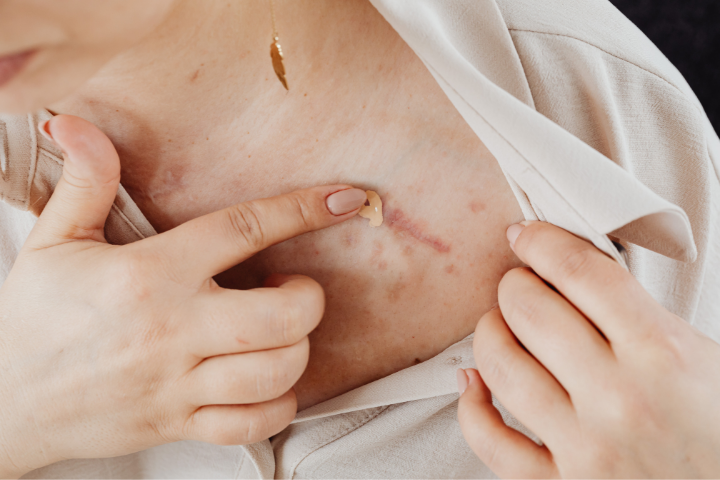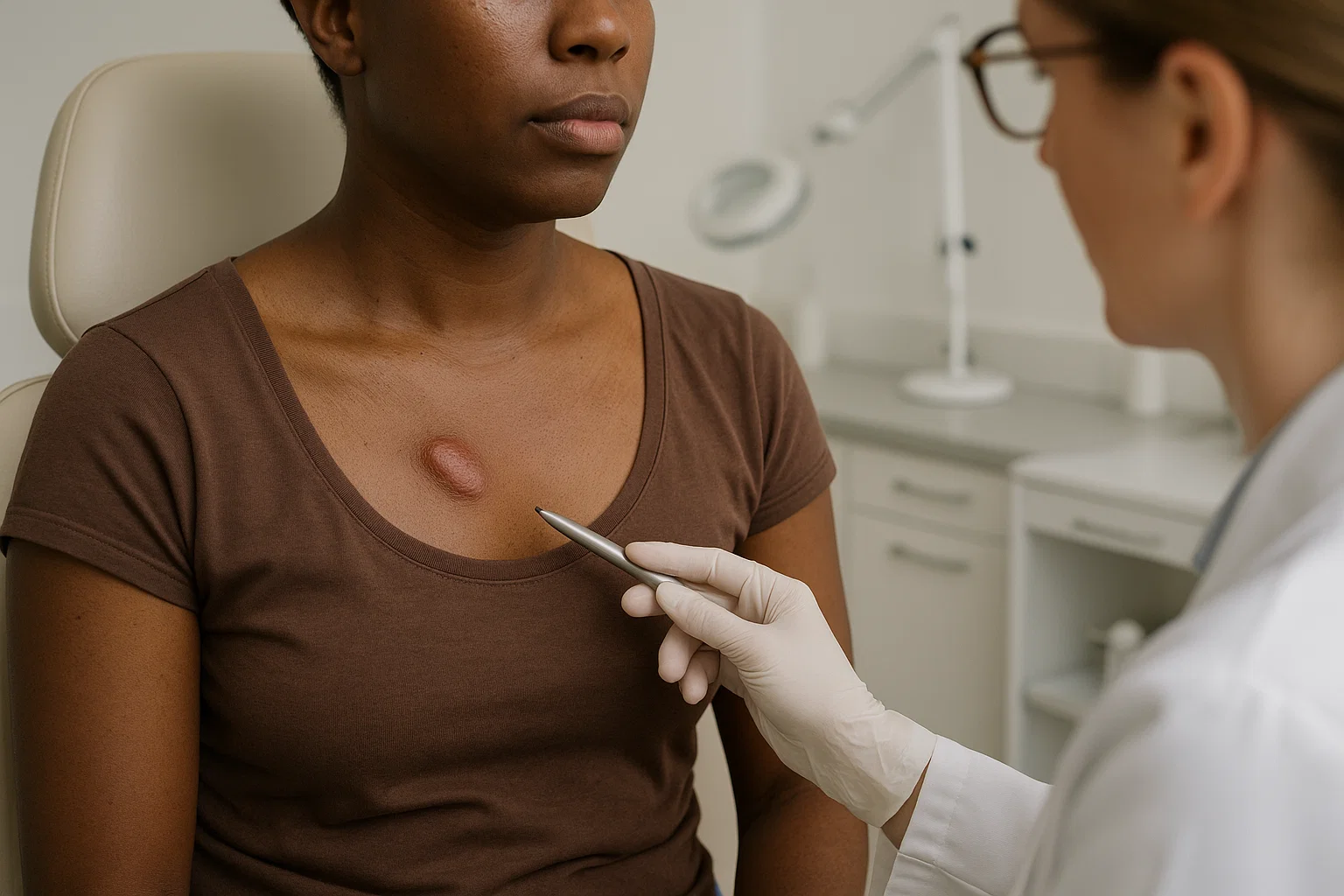

Most scars fade quietly into the background of daily life. They become part of the skin’s story and, over time, something people rarely think about. Yet for some, a scar begins to feel different. It may continue to change, draw attention, or create a sense of uncertainty about whether what is happening is still part of a normal healing process.
This is often where the question starts to surface when to see a keloid specialist rather than continuing with self-care alone. Understanding how a scar behaves over time can help separate temporary changes from signs that suggest something more complex is happening beneath the surface.
Seeing a scar as a medical concern does not have to feel dramatic or overwhelming. Instead, it can be a practical step toward clarity, guided by professional insight and a better understanding of how raised and persistent scars develop, respond, and are managed over the long term.
Why Some Scars Heal Normally While Others Don’t
For many people, the healing process follows a familiar path. The skin repairs itself, the redness fades, and the mark left behind slowly becomes softer and less noticeable. This is the body’s way of restoring balance after an injury, guided by a controlled production of collagen and a natural reduction in inflammation as time passes.
With raised scars such as keloids and hypertrophic scars, that balance can shift. Instead of slowing down, the body continues to send signals that encourage new tissue to form. Collagen, which normally helps strengthen healing skin, can begin to build up in a way that makes the scar thicker, firmer, and more persistent. This is often what people mean when they feel a scar is not healing properly, even if the surface of the skin appears closed.
Understanding this difference can help put the experience into context. Signs of abnormal scarring are not always dramatic or immediate. They often appear gradually, through subtle changes in texture, sensitivity, or how the scar seems to respond to everyday movement and contact. Recognising these patterns is less about making a diagnosis and more about becoming aware of how your skin’s healing response is unfolding over time.
Early Signs Your Scar May Be Becoming a Medical Condition
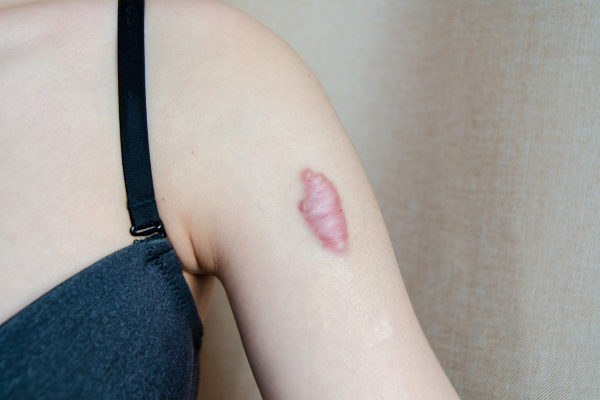
One of the first things people often notice is that a scar no longer feels “settled.” Instead of gradually blending into the surrounding skin, it may continue to draw attention, either through its size, its texture, or the way it feels throughout the day. This can happen slowly, making it easy to overlook at first, especially if the original injury is already a distant memory.
A scar that keeps expanding beyond the boundaries of the original wound can be a quiet signal that the healing response is still active beneath the surface. The skin may feel unusually firm or tight, as if the tissue is under gentle tension. For some, there is also a lingering sense of discomfort, such as itching or sensitivity, that does not seem to fade with time.
Changes in colour or surface can also stand out. A raised area that becomes deeper in tone, shinier in appearance, or uneven to the touch may prompt questions about how the scar is developing. These kinds of experiences are often described as keloid warning symptoms, not because they demand immediate action, but because they suggest the scar’s behaviour is different from the typical healing pattern.
Noticing these shifts is less about reaching a conclusion and more about paying attention. It creates space to reflect on whether continuing with self-care feels sufficient, or whether gaining a professional perspective could bring more clarity and reassurance about what is happening beneath the skin.
The Limitations of Self-Treatment for Raised Scars
Many people begin their scar journey with simple, familiar routines. Moisturisers, massage, and over-the-counter products can play a role in keeping the skin comfortable and supported at the surface. These approaches often feel reassuring because they are easy to access and fit naturally into daily life.
When a scar becomes raised or continues to change, however, the focus often shifts from the outer layer of the skin to what is happening within the tissue itself. The structure of a keloid or hypertrophic scar is shaped by deeper processes, such as ongoing collagen activity and inflammation, which are not always visible from the outside. This is where self-treatment can begin to feel limited, not because it lacks value, but because it is working at a different level of the skin.
For some, this realisation becomes a turning point. It reframes scar care as something that may benefit from both personal attention and professional insight. Rather than replacing everyday routines, a clinical perspective can add another layer of understanding, helping to explore options that are designed to guide how the tissue behaves over time, not just how the surface appears in the mirror.
What a Keloid Specialist Looks For During a Clinical Assessment
When someone decides to seek a professional opinion, the focus often moves beyond how a scar looks and toward how it behaves. A keloid specialist in London will usually begin by understanding the story behind the scar, including how it started, how long it has been present, and what changes have been noticed over time. This context helps shape a clearer picture of the skin’s healing pattern rather than relying on appearance alone.
The physical assessment itself tends to be gentle and methodical. Attention is given to the thickness of the tissue, how far the raised area extends, and how the scar feels in relation to the surrounding skin. Subtle details, such as firmness, sensitivity, and the way the scar responds to light pressure, can offer insight into what is happening beneath the surface.
What often reassures people is the idea that this process is not about finding a single, immediate solution. Instead, it is about building a plan that reflects how the scar is likely to develop over time. By combining observation with medical understanding, the assessment becomes a starting point for long-term management, shaped around the individual rather than a one-size-fits-all approach.
How Professional Treatments Address the Root of Keloid Growth

1.Understanding the tissue beneath the surface
Professional care begins by looking beyond the visible part of the scar. Specialists focus on how the tissue is behaving at a structural level, including the ongoing signals that encourage collagen to build up and the role of inflammation in keeping the scar active over time.
2.Guiding collagen activity rather than masking appearance
Instead of concentrating only on how the skin looks, clinical approaches aim to influence how new tissue forms. This helps shift the focus from surface-level improvement to long-term control of thickness, firmness, and continued growth.
3.Reducing inflammatory responses within the scar
Inflammation can play a quiet but persistent role in how keloids develop. Medical treatments are designed to calm this process within the tissue itself, supporting a more balanced healing environment beneath the skin.
4.Using combination strategies for deeper impact
Some approaches work best when paired together, allowing different methods to address multiple layers of the scar’s behaviour at the same time. This can create a more comprehensive plan that evolves as the skin responds.
5.Ongoing evaluation and adjustment
Rather than being a one-time step, professional care often involves regular review. This allows the treatment approach to be refined based on how the scar changes, helping to keep the focus on steady, long-term progress rather than short-term appearance alone.
Why Specialist Care in a Medical Setting Makes a Difference
Choosing a medical setting for scar care often changes how the entire experience feels. In places like Harley Street, where clinical practice is closely tied to long-standing medical standards, the focus naturally shifts toward precision, safety, and thoughtful planning rather than quick fixes. This environment helps set the tone for care that is guided by expertise and careful observation.
At the London Keloid Scar Clinic, the process is shaped around the individual rather than the scar alone. Each assessment considers personal history, skin response, and how the raised tissue has changed over time. This allows recommendations to reflect real patterns of healing, not just what is visible during a single visit.
What many people find reassuring is the sense of continuity. Follow-up and long-term monitoring become part of the journey, creating space to adjust the approach as the skin responds. Being cared for in a medical setting means decisions are supported by clinical insight and an understanding that managing keloid scars is often a gradual, evolving process rather than a single moment of treatment.
Conclusion
Recognising when a scar begins to feel different is often the first step toward understanding what your skin may need next. Whether it is subtle changes in texture, ongoing sensitivity, or a sense that healing has paused, these moments of awareness can open the door to a more informed and supportive approach to care.
Seeking a professional perspective does not have to feel like a commitment to a specific treatment. It can simply be an opportunity to learn more about how your scar is behaving and what options may be available for long-term management. A conversation with a specialist can bring clarity, reassurance, and a clearer picture of the path ahead.
If you feel ready to explore that next step, the team at the London Keloid Scar Clinic offers a space to discuss your concerns, ask questions, and receive a personalised assessment. It can be a calm and practical starting point for understanding your scar and deciding, at your own pace, how you would like to move forward.