

Abu Bakarr Sidique
14:20 11 Sep 25
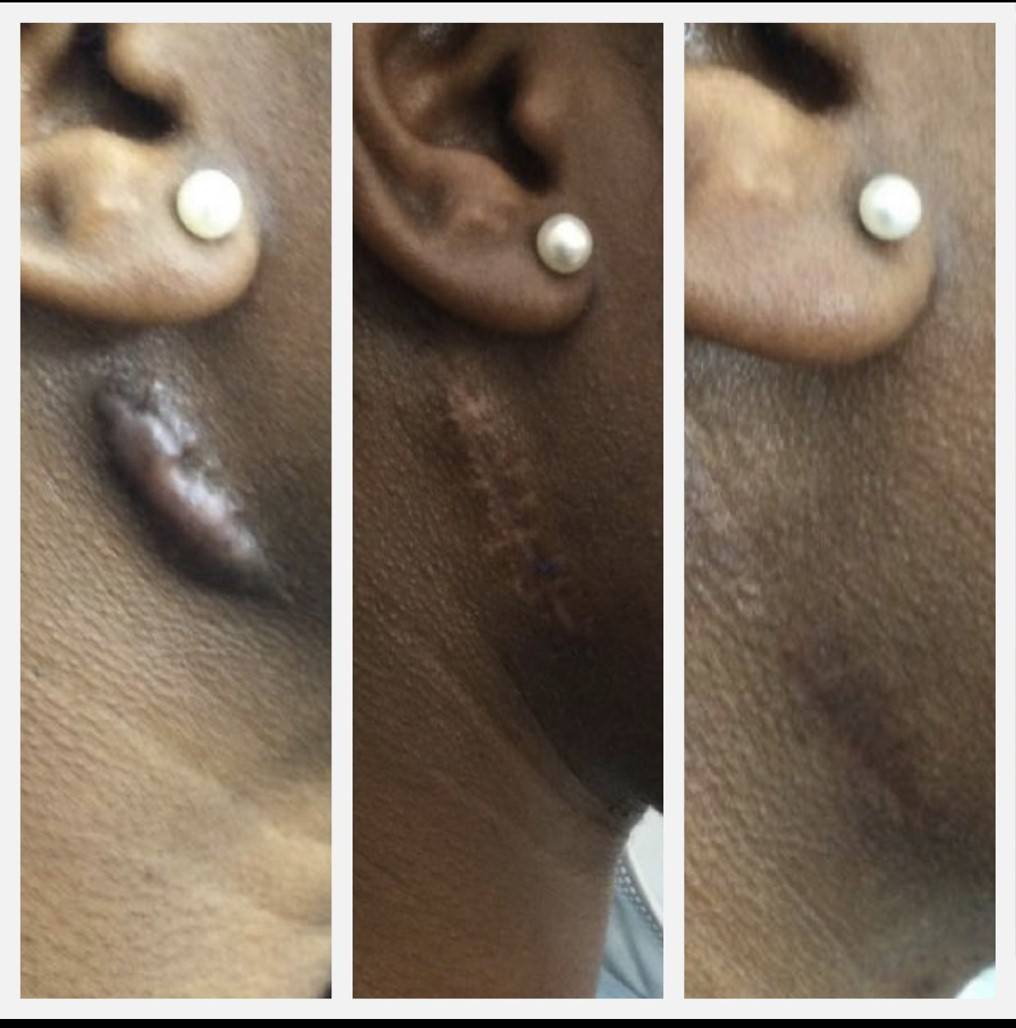
Dr. Johnson is one of the best in London for skincare and keloid treatment. Her expertise and care made my experience outstanding, and the results exceeded my expectations.”

Andrew Wilson
12:52 11 Sep 25
Very positive experience with caring staff. Highly recommend!

Priscilla Kay
14:09 08 Sep 25
Amazing results at this clinic and even better service, especially from Jin. Very lovely staff, you’re treated with so much care and compassion here and the treatments work!

Martha Casbolt
14:31 04 Sep 25
Efficient and friendly service. Very knowledgable and helpful staff

Evie Gillespie
11:35 02 Sep 25
Amazing staff! They make you feel very comfortable and they are so professional and friendly. The treatment is great and just what I was looking for!

pirasana jeyanayagan
15:18 22 Aug 25

Mochi_2000 xD
10:24 12 Aug 25
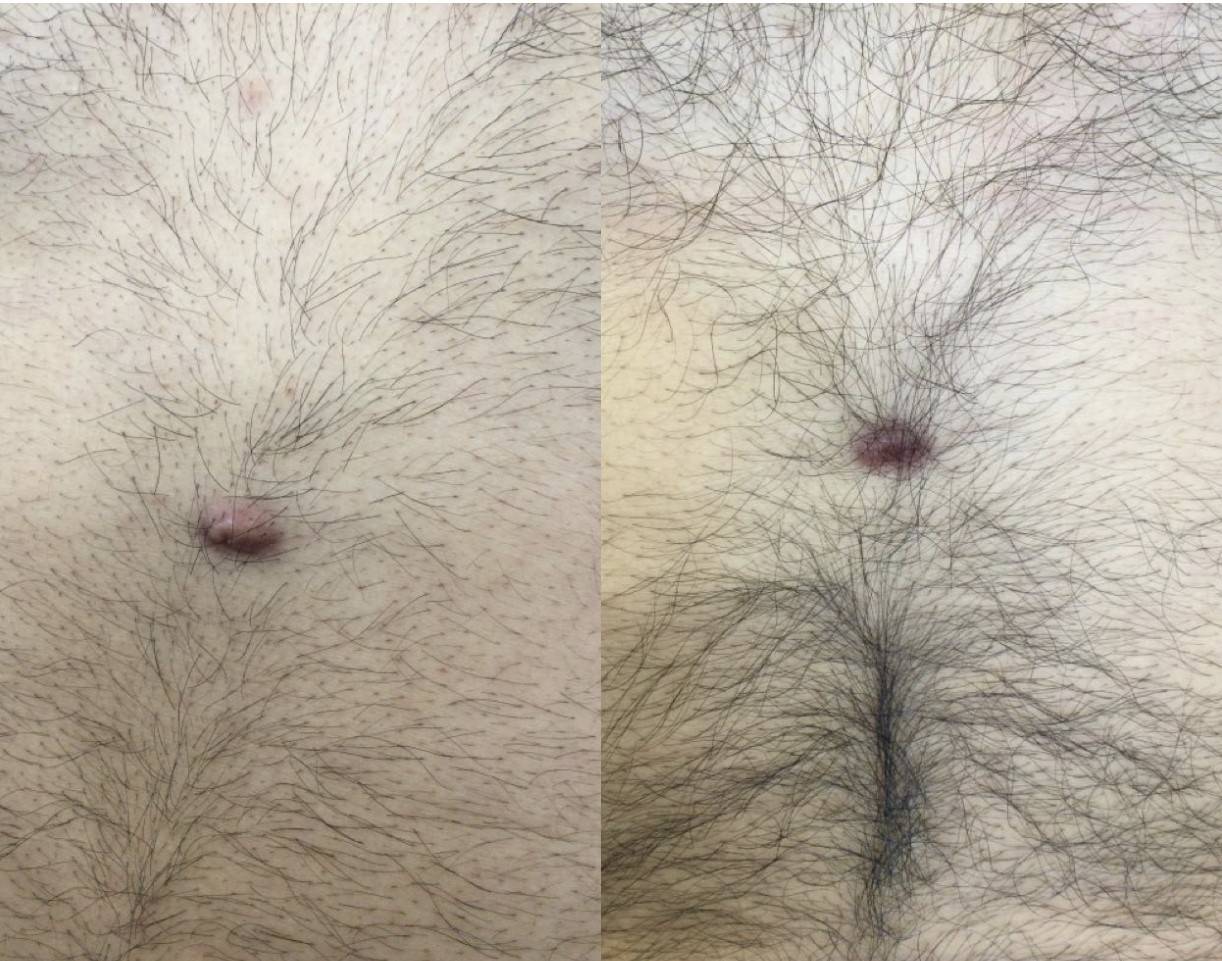
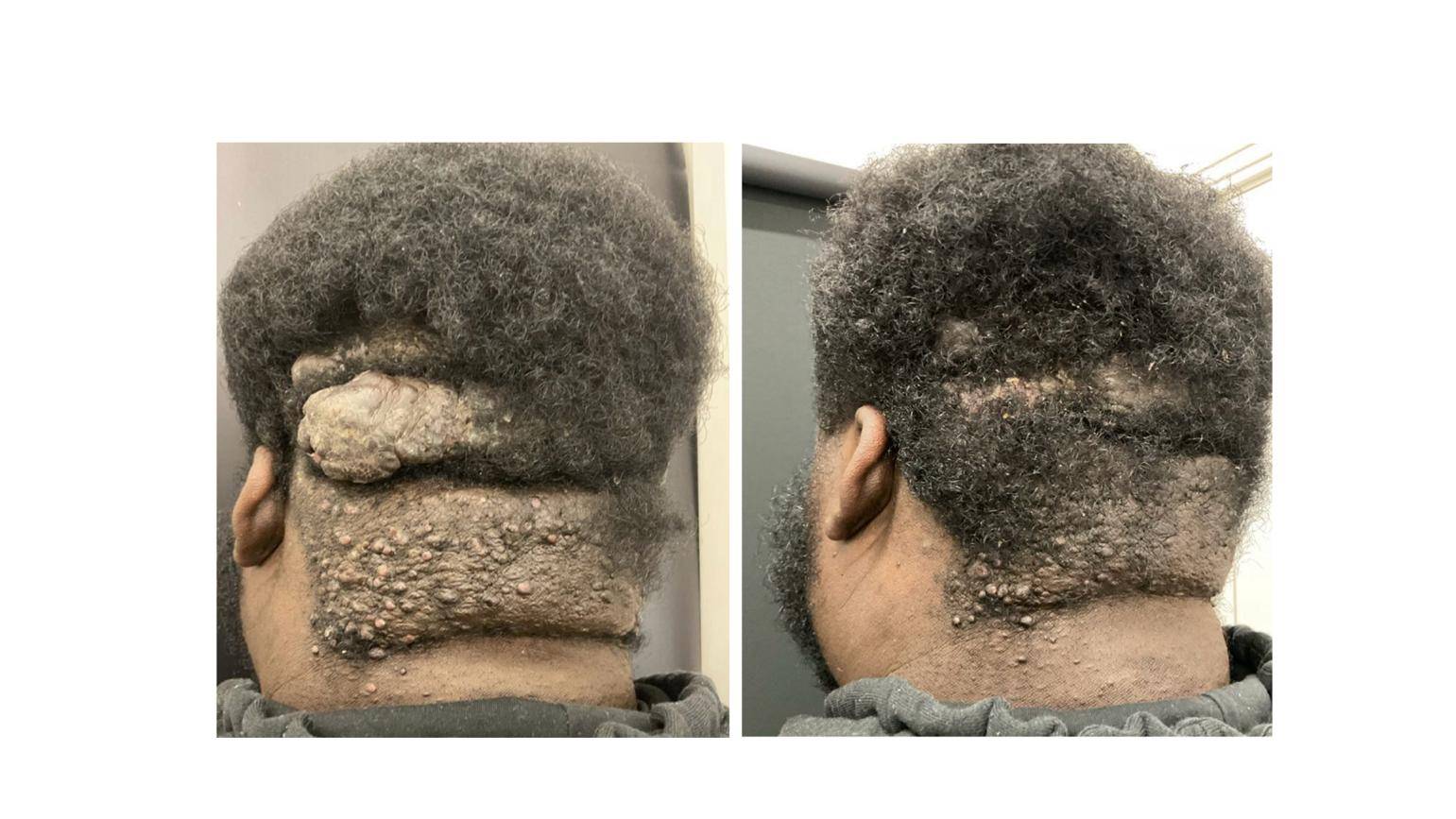
I just had my review for my keloid surgery and injections. Had my surgery done like a year ago. My last injection was 7 months ago. Everything went well. The staff are extremely nice and friendly. Definitely recommend coming to this clinic. If I ever feel like getting anything aesthetically done. I’m definitely coming back here.

Akintayo Makinwa
12:32 25 Jul 25
The best treatment so far received . I've done the treatment twice here in London not until i find out about London Keloid Scar Clinic.
You guys are fantastic 👏.
Folake.
You guys are fantastic 👏.
Folake.

Val Palmer
16:49 21 Jul 25
Superb service with very kind, friendly staff.

Sibelly Morais
10:15 18 Jul 25

Cristian
06:07 09 Dec 24
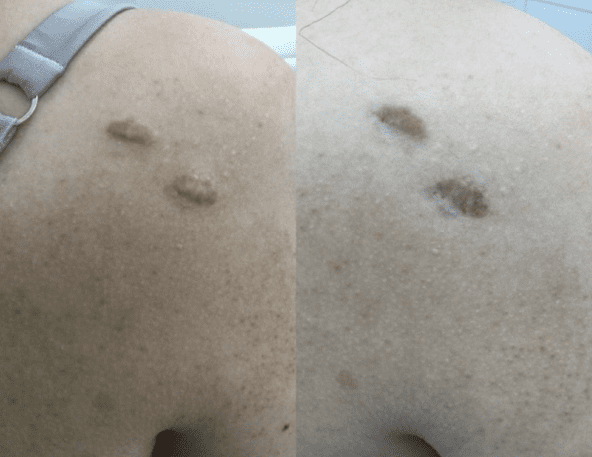
After visiting this clinic, my scars are barely noticeable. Dr. Johnson’s approach is both effective and compassionate.

Herlinder Gomez
05:44 09 Dec 24
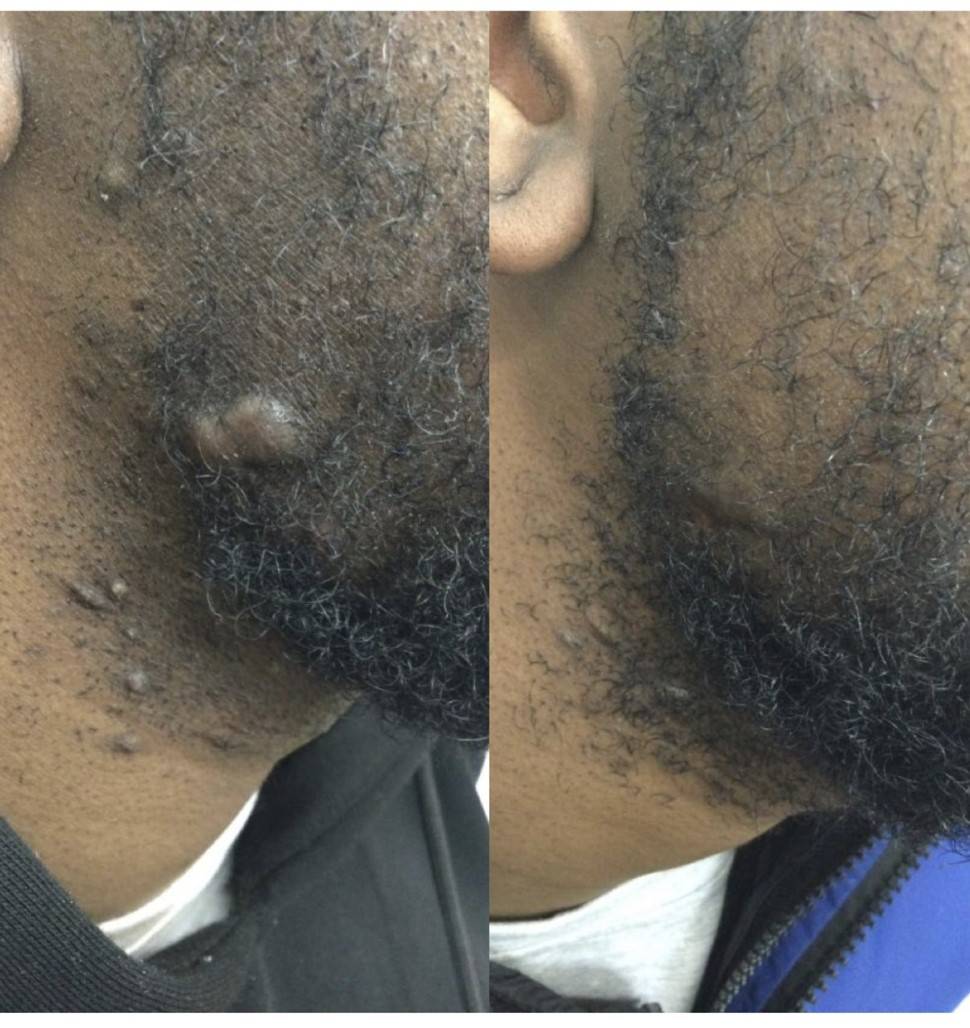
I had a wonderful experience at Dr. Johnson's clinic! The staff was friendly and welcoming, making me feel at ease from the start. Dr. Johnson is incredibly knowledgeable and took the time to explain everything to me. The treatment for my keloids has shown remarkable results, and I couldn’t be happier. I highly recommend this clinic to anyone looking for effective scar treatments!

Gutiérrez Rivera Jesus Ariel
05:40 09 Dec 24
This clinic is well-equipped and the staff is professional. Dr. Johnson’s experience is evident in the care she provides.

Angely Moreno
05:22 09 Dec 24
My experience at Dr. Johnson's clinic was fantastic! The atmosphere is warm and inviting, which made me feel comfortable right away. Dr. Johnson is not only highly skilled but also genuinely caring. She took the time to answer all my questions and provided me with valuable advice. The results of my treatment have been amazing! I highly recommend this clinic for anyone seeking help with keloids

Mariangel Salazar
05:21 09 Dec 24
The results I’ve seen from my keloid treatment have exceeded my expectations. I can’t recommend this clinic enough!

Haidar Haibatan
15:33 21 Nov 24
Yes in regards to Dr Salinda Johnson caring for others is truly inspiring.Your unwavering dedication to your patient health and wellbeing is a beacon of hope and comfort.
The Clinic manager Raheena a truly wonderful person and her staff Victoria.
Kind regards,
Security
H.👍
The Clinic manager Raheena a truly wonderful person and her staff Victoria.
Kind regards,
Security
H.👍

James B
22:14 11 Nov 24
Very impressed with the service at this leading Harley Street clinic. Dr Johnson clearly explained the options and was generous with her time. Good communication and follow up, and the staff were very friendly and helpful. I think the keloid scar treatment offered by this clinic is world leading in that the approach Dr Johnson uses is both unique and delivers results such that there is no grow back.

Salinda Johnson
14:58 31 Oct 23
This the exceptional second clinic after the great success at the flagship clinic in the world renown Harley street. This clinic is unlike any clinic on high street. It’s an exclusive & rich in interior design providing calming and luxurious atmosphere. The interior and desirable location , off Cadogan square and Lennox garden which is convenient l short walk from Sloane Square & Knightsbridge tube station and HARODS in Knightsbridge & Chelsea giving the highly private VIP and 7 stars experience with the UK top Aestheic doctors and Dermatologists and services from the kind & caring staffs. If you’re looking for a great results, private VIP experience and kind & caring staffs and UK top specialist for non-surgical cosmetic procedures and dermatological concerns, you will find them here. ⭐️⭐️⭐️⭐️⭐️⭐️⭐️

Londoncosmeticclinic Knightsbridgelaserclinic
11:26 15 Aug 23
An exclusive and welcoming cosmetic skin clinic with 7 stars service and care by a group of UK leading Aesthetic Dermatologists. This is our new clinic after the success at our flagship clinic in Harley street, London. We look forward to seeing you here.

Yuri Sato
16:22 02 Jun 23
I usually go to see Dr. Johnson at Harley Street clinic and am very happy with the doctor, staff and the treatments there but this Chelsea branch gives me more homey and cozy feeling and I love visiting here. All staff are kind and friendly, never forget to offer me a fresh coffee or tea when I wait. I specially like an iv drip treatment as it gives me immediate energy when I'm tired or feel weak.