Exploring the science of abnormal scar formation and how London Keloid Scar Clinic leads innovation in treatment and prevention.
When Healing Doesn’t Know When to Stop
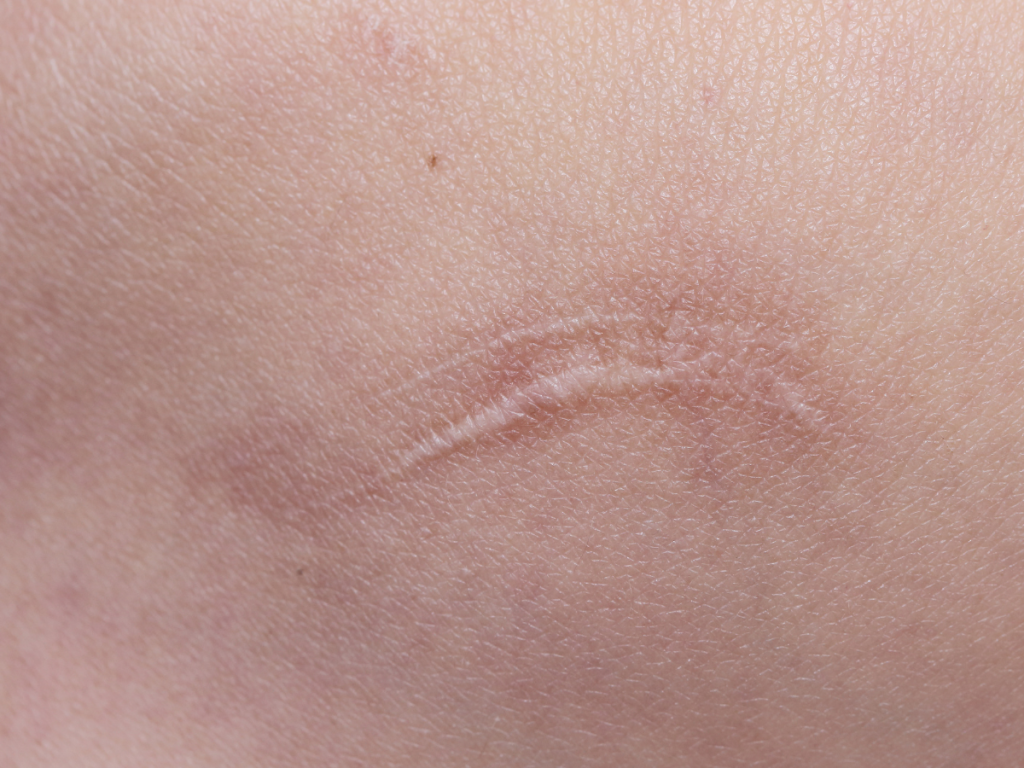
Most people expect scars to fade with time — to soften, flatten, and eventually become a quiet reminder of recovery. But for many individuals, healing doesn’t follow that simple path.
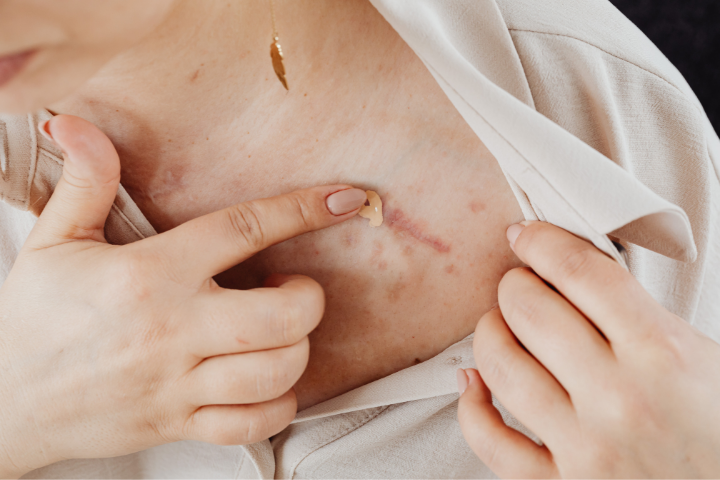
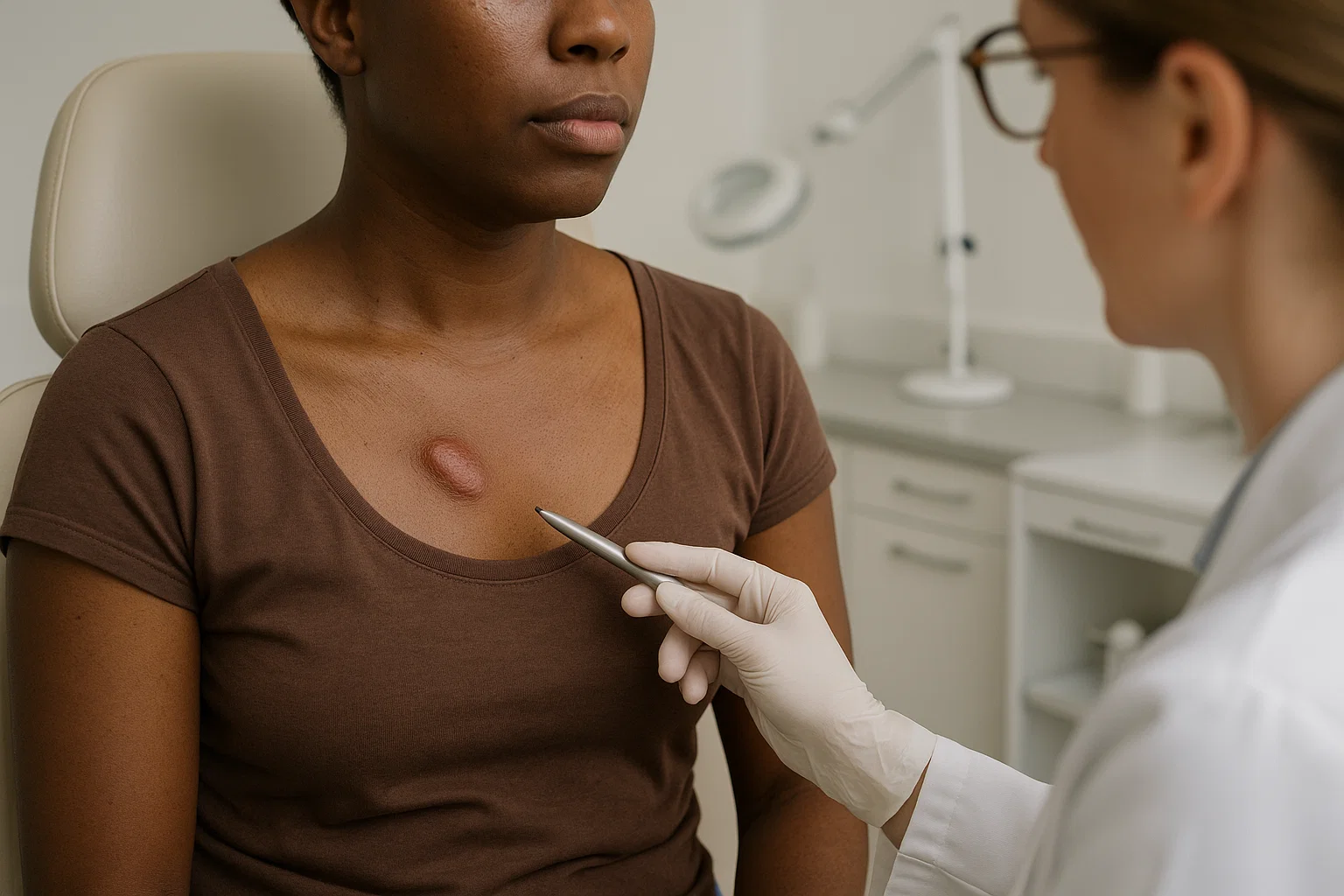
Instead, the body continues producing collagen long after the wound has closed, leading to raised, firm, and often uncomfortable growths known as keloids.
At London Keloid Scar Clinic, our specialists study these scars not only as cosmetic challenges but as complex biological processes. Understanding why they form — and why they persist — is key to treating them effectively and preventing recurrence.
When Healing Becomes Overactive
Keloids arise from the body’s attempt to repair itself too enthusiastically. After injury, the skin normally enters three phases of recovery: inflammation, proliferation, and remodelling.
In people prone to keloids, the proliferation phase — where fibroblast cells produce collagen to rebuild tissue — fails to switch off.
Instead of slowing down once the wound closes, the fibroblasts remain overactive, laying down excessive Type III collagen that expands beyond the original injury. The result is a thickened, fibrous scar that continues to grow over time.
Cellular Overactivity at a Glance
| Process | Normal Healing | Keloid Response |
|---|---|---|
| Fibroblast activity | Stops after closure | Persists for months or years |
| Collagen type | Mainly Type I | Excess Type III |
| Inflammation | Self-limiting | Chronic, low-grade |
| Growth factor (TGF-β) | Controlled | Overexpressed |
This self-perpetuating cycle explains why keloids can enlarge, darken, or become painful even years after the initial wound.
The Genetic and Ethnic Link
Keloid formation is heavily influenced by genetic predisposition. Studies show markedly higher rates among people of African, Caribbean, Asian, and Mediterranean heritage.
The difference isn’t about skin colour itself, but about inherited variations in collagen synthesis and immune response genes — particularly those governing Transforming Growth Factor Beta (TGF-β) signalling.
Families often share a pattern of exaggerated healing responses. Two people may have identical injuries; one heals with a faint line, while the other develops a large, raised scar. This heritable component is what makes prevention strategies especially important in at-risk individuals.
Common Triggers and High-Risk Areas
Keloids can form anywhere, but they favour sites where the skin is under tension or frequently moves — such as the chest, shoulders, jawline, and ears.
Typical triggers include:
- Piercings or tattoos
- Surgical incisions or stitches
- Acne or folliculitis
- Burns or cuts
- Even minor irritation, like an ingrown hair or insect bite
In predisposed skin, even microscopic trauma can set off a chain reaction of over-repair.
Why Keloids Keep Growing
Unlike ordinary scars, keloids remain biologically active. Their fibroblast cells resist the natural “shutdown” signal (apoptosis) that ends the repair phase.
This means:
- Collagen keeps being produced long after healing.
- The scar tissue develops its own blood supply.
- Inflammatory signals loop endlessly between fibroblasts, keratinocytes, and immune cells.
This explains why surgical removal alone often fails — the same wound-healing mechanism simply reactivates, sometimes producing a larger keloid than before.
Modern Understanding and Multimodal Treatment
Because no single therapy can fully correct this biological imbalance, effective treatment relies on combination strategies that target different aspects of keloid biology.
At London Keloid Scar Clinic, we design tailored protocols combining:
- Intralesional corticosteroids (Kenalog) – calming inflammation and slowing fibroblast activity.
- 5-Fluorouracil (5-FU) – an anti-proliferative medication that disrupts collagen overproduction.
- Laser therapy (VBeam Candela) – reducing redness and vascular activity while aiding remodelling.
- Cryotherapy and pressure therapy – physically flattening and softening raised scars.
- Silicone and topical maintenance – preventing reactivation during the remodelling phase.
Each plan is guided by the scar’s age, location, and response to prior treatments, ensuring both scientific precision and cosmetic sensitivity.
Innovations on the Horizon
Research into keloid biology continues to evolve rapidly. Promising frontiers include:
- Botulinum toxin (Botox) injections – reducing mechanical tension that fuels keloid growth.
- Exosome and polynucleotide therapies – modulating cellular communication to normalise repair.
- Targeted gene therapy – aiming to switch off overactive TGF-β pathways.
- Laser-assisted drug delivery (LADD) – enhancing penetration of anti-fibrotic agents.
These developments mark a shift from merely flattening scars to re-educating the skin’s healing response.
Preventing Keloids Before They Form
For those with a history or family tendency toward keloids, prevention is the most powerful treatment.
Our clinicians often recommend:
- Early application of medical-grade silicone gel post-surgery.
- Intralesional steroid prophylaxis immediately after wound closure in high-risk cases.
- Avoidance of unnecessary piercings or trauma.
- Strict sun protection to prevent hyperpigmentation and inflammation.
Personalised aftercare protocols dramatically reduce recurrence and help maintain smooth, even skin.
Beyond the Biology: Emotional Impact and Support
Persistent scarring can affect more than just appearance. Many patients describe itching, pain, or restricted movement — but also frustration, anxiety, and self-consciousness.
At London Keloid Scar Clinic, treatment is as much about restoring comfort and confidence as it is about flattening a scar. Our patient care model includes empathetic consultation, clear communication, and ongoing support throughout the healing journey.
The Takeaway
Keloids form when the body’s natural repair process loses its balance. They are living evidence of the skin’s incredible capacity to heal — and its occasional inability to know when to stop.
By understanding their biology, clinicians can move beyond surface treatment towards true long-term control.
At London Keloid Scar Clinic, our mission is to combine advanced medical science with compassionate care — giving every patient a path to calm, healthy, and confident skin.
Related Articles
- How to Get Rid of a Keloid Scar from Ingrown Hair
- A Patient’s Journey: From First Enquiry to Long-Term Keloid Management in a London Clinic
- Keloids and Body Image: How Scar Treatment Supports Emotional Wellbeing
- Can Keloid Scars Come Back? Understanding Recurrence and Long-Term Care
- Keloid Treatment and Work Schedules: How London Professionals Fit Care Into a Busy Life
FAQs
1. Why do keloids appear years after an injury?
The fibroblast cells inside the scar can remain active, reigniting collagen production long after the initial wound.
2. Are keloids dangerous?
They’re benign, but can cause physical discomfort and emotional distress if left untreated.
3. Can they be permanently removed?
Recurrence risk is always present, but with combination therapy, long-term control is achievable.
4. Do keloids run in families?
Yes — genetic predisposition plays a strong role, especially in certain ethnic groups.
5. Which treatments work best?
Results are most effective when therapies are combined and tailored to each patient’s biology.