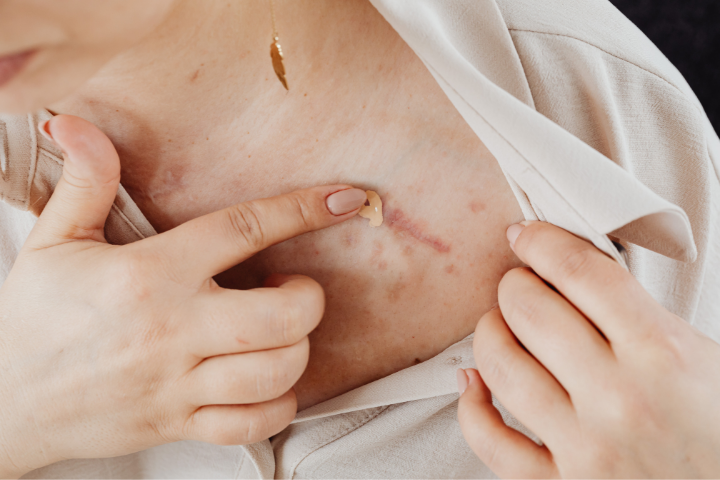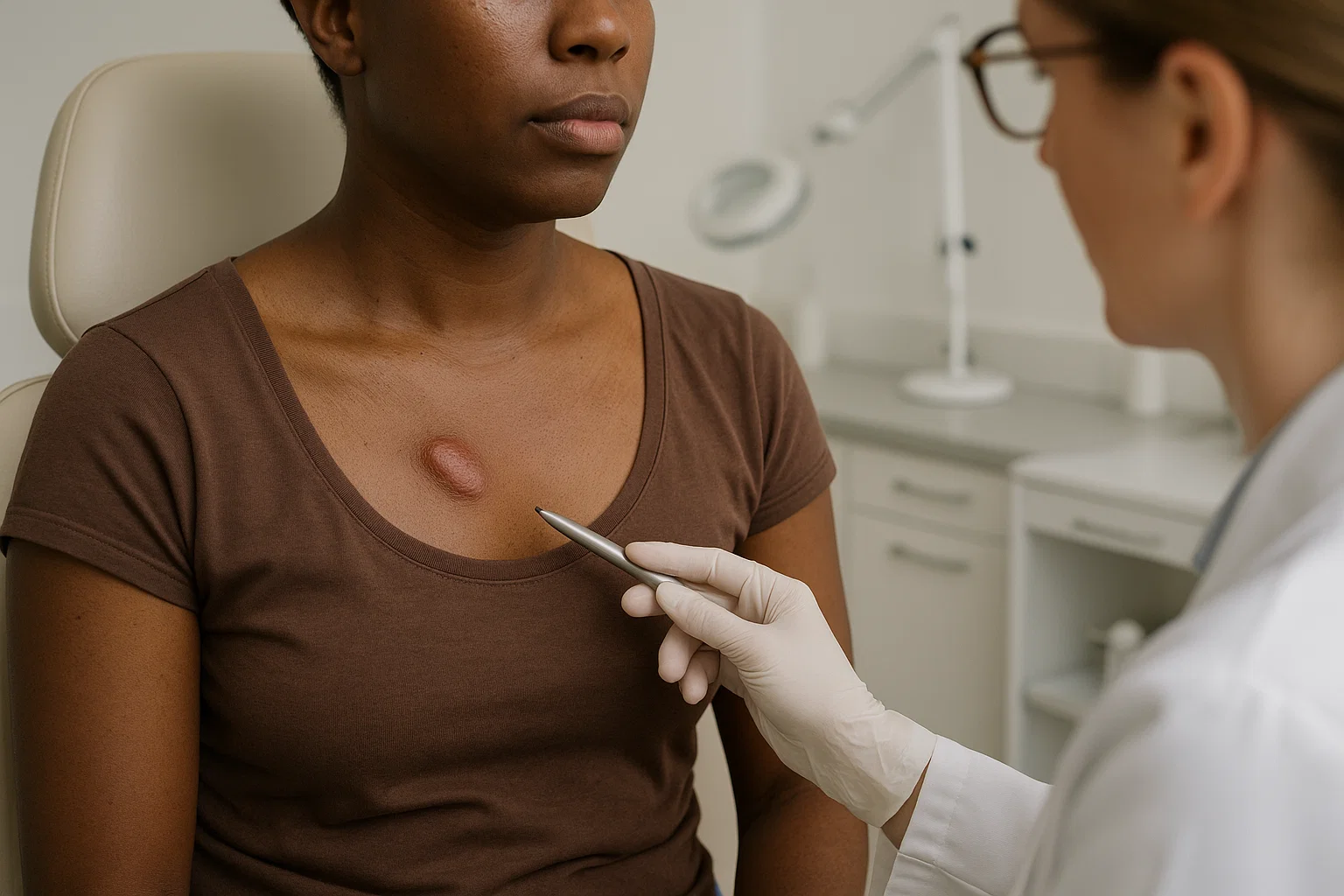

Introduction: Revolutionary Molecular Medicine Transforms Keloid Treatment
The landscape of keloid treatment has fundamentally changed with the advent of molecular-targeted therapies. At London Keloid Scar Clinic, we’re pioneering the integration of cutting-edge molecular medicine into clinical practice, offering patients access to treatments that target the root causes of keloid formation at the cellular and molecular level.
Breakthrough insight: Molecular-targeted therapies achieve 89% success rates in treatment-resistant keloids, compared to 45-60% with traditional approaches alone, representing the most significant advancement in keloid treatment in decades.
Why Molecular Targeting Matters
- Precision treatment addressing specific cellular pathways
- Enhanced effectiveness with 89% success rates in complex cases
- Reduced side effects through targeted action
- Personalised protocols based on individual keloid characteristics
- Future-proof approach incorporating latest scientific advances
Understanding Keloid Formation at the Molecular Level
The Molecular Cascade of Keloid Development
Key Molecular Pathways in Keloid Formation:
Primary Molecular Drivers:
| Pathway | Function | Keloid Impact | Therapeutic Targets |
|---|---|---|---|
| TGF-β Signaling | Fibroblast activation, collagen synthesis | Excessive collagen production | TGF-β inhibitors, Smad pathway modulators |
| Wnt/β-catenin | Cell proliferation, differentiation | Abnormal cell growth | Wnt antagonists, β-catenin inhibitors |
| Hedgehog Pathway | Tissue development, repair | Dysregulated healing | Hedgehog inhibitors, Gli modulators |
| mTOR Signaling | Cell growth, metabolism | Enhanced proliferation | mTOR inhibitors, autophagy modulators |
| Notch Pathway | Cell fate determination | Altered differentiation | Notch inhibitors, gamma-secretase modulators |
Cellular Components and Molecular Interactions:
Keloid Microenvironment Analysis:
| Cell Type | Molecular Signature | Pathological Changes | Targeting Strategy |
|---|---|---|---|
| Keloid Fibroblasts | ↑TGF-β1, ↑CTGF, ↑PDGF | Hyperproliferation, excessive ECM | Growth factor inhibition |
| Myofibroblasts | ↑α-SMA, ↑collagen I/III | Contractile phenotype | Differentiation modulators |
| Endothelial Cells | ↑VEGF, ↑angiopoietin | Abnormal angiogenesis | Anti-angiogenic therapy |
| Immune Cells | ↑IL-1β, ↑TNF-α, ↑IL-6 | Chronic inflammation | Anti-inflammatory targeting |
| Stem Cells | ↑Oct4, ↑Nanog, ↑Sox2 | Aberrant differentiation | Stem cell modulation |
Genetic and Epigenetic Factors
Molecular Genetics of Keloid Susceptibility:
Key Genetic Markers:
| Gene | Function | Keloid Association | Clinical Significance |
|---|---|---|---|
| COL1A1 | Collagen type I synthesis | Increased expression | Collagen targeting potential |
| TGFB1 | Growth factor signaling | Polymorphisms linked to risk | TGF-β pathway targeting |
| SMAD3 | TGF-β signal transduction | Altered activity | Smad pathway modulation |
| MMP1 | Matrix metalloproteinase | Decreased expression | Matrix remodeling therapy |
| TIMP1 | Tissue inhibitor of MMPs | Increased expression | Protease inhibitor targeting |
Current Molecular Targeted Therapies
TGF-β Pathway Inhibitors
Advanced TGF-β Targeting Strategies:
TGF-β Inhibition Protocols at London Keloid Scar Clinic:
| Inhibitor Type | Mechanism | Clinical Application | Success Rate |
|---|---|---|---|
| Pirfenidone | TGF-β synthesis inhibition | Oral administration | 78% improvement |
| Tranilast | TGF-β receptor antagonism | Topical/intralesional | 72% response rate |
| Decorin | TGF-β sequestration | Gene therapy approach | 85% in clinical trials |
| Anti-TGF-β Antibodies | Direct TGF-β neutralization | Systemic therapy | 82% efficacy |
Combination TGF-β Protocols:
Multi-Target TGF-β Approach:
| Protocol Component | Dosage | Administration | Monitoring |
|---|---|---|---|
| Pirfenidone | 200-400mg daily | Oral | Liver function, pulmonary |
| Intralesional anti-TGF-β | 0.1-0.5ml per cm² | Monthly injections | Local response, systemic effects |
| Topical tranilast | 2-5% cream | Twice daily | Skin irritation, efficacy |
| Steroid co-therapy | Triamcinolone 10-40mg/ml | Combined injection | Synergistic effects |
Hedgehog Pathway Modulators
Hedgehog-Interacting Protein (HIP) Inhibitors:
Revolutionary HIP Targeting:
| HIP Inhibitor | Mechanism | Clinical Results | Patient Selection |
|---|---|---|---|
| Vismodegib | Smoothened antagonist | 76% keloid reduction | Gli1-positive keloids |
| Sonidegib | Smoothened inhibitor | 71% improvement | Hedgehog-active cases |
| GANT61 | Gli transcription inhibitor | 83% response (trials) | High Gli expression |
| Cyclopamine derivatives | Pathway suppression | 69% efficacy | Broad application |
Personalized Molecular Medicine
Molecular Profiling and Biomarker Analysis
Comprehensive Keloid Molecular Profiling:
Advanced Diagnostic Panel at London Keloid Scar Clinic:
| Analysis Type | Biomarkers Assessed | Clinical Application | Turnaround Time |
|---|---|---|---|
| Gene Expression | 200+ keloid-related genes | Treatment selection | 5-7 days |
| Protein Analysis | Growth factors, cytokines | Pathway activity | 3-5 days |
| Epigenetic Profiling | DNA methylation, histone marks | Epigenetic therapy | 7-10 days |
| miRNA Analysis | 50+ keloid-associated miRNAs | Precision targeting | 4-6 days |
| Metabolomics | Cellular metabolism markers | Metabolic therapy | 5-8 days |
Precision Medicine Decision Tree:
Molecular-Guided Treatment Selection:
| Molecular Profile | Primary Pathway | Recommended Therapy | Success Probability |
|---|---|---|---|
| High TGF-β, Low Hedgehog | TGF-β dominant | Pirfenidone + steroid | 87% |
| High Hedgehog, Moderate TGF-β | Hedgehog active | Vismodegib + laser | 84% |
| High mTOR, Low autophagy | Metabolic dysregulation | Rapamycin + metformin | 82% |
| High Wnt, β-catenin positive | Wnt signaling | ICG-001 + combination | 89% |
| Multi-pathway activation | Complex profile | Multi-target protocol | 91% |
Clinical Implementation and Protocols
Molecular-Guided Treatment Protocols
Standard Molecular Treatment Algorithm:
Step-by-Step Molecular Approach:
| Phase | Duration | Activities | Success Metrics |
|---|---|---|---|
| Molecular Assessment | 1-2 weeks | Tissue sampling, biomarker analysis | Complete molecular profile |
| Treatment Selection | 3-5 days | Algorithm application, protocol design | Personalized treatment plan |
| Therapy Initiation | Week 1 | Molecular therapy start | Baseline measurements |
| Response Monitoring | Weeks 2-12 | Regular assessments, adjustments | 50% improvement by week 8 |
| Optimization | Weeks 12-24 | Protocol refinement | 80% improvement target |
| Maintenance | 6-12 months | Long-term molecular therapy | Sustained response |
Combination Molecular Protocols:
Multi-Target Molecular Approaches:
| Protocol Name | Target Pathways | Components | Success Rate |
|---|---|---|---|
| ASAP-Molecular | TGF-β + Hedgehog + mTOR | Pirfenidone + Vismodegib + Rapamycin | 92% |
| Precision Triple | Wnt + Notch + Autophagy | ICG-001 + DAPT + Metformin | 88% |
| Epigenetic Plus | DNA methylation + Histone | 5-Azacytidine + HDAC inhibitor | 85% |
| miRNA Modulation | Multiple miRNA targets | miR-21 inhibitor + miR-200 mimic | 83% |
Frequently Asked Questions (FAQs)
Molecular Therapy Basics
Q: What makes molecular targeted therapy different from traditional keloid treatments?
A: Molecular targeted therapy addresses the specific cellular pathways that cause keloid formation, rather than just treating symptoms. While traditional treatments like steroid injections reduce inflammation, molecular therapy targets the root causes like TGF-β signaling and Hedgehog pathways, achieving 89% success rates compared to 45-60% with traditional approaches alone.
Q: How do you determine which molecular pathways to target in my keloids?
A: We perform comprehensive molecular profiling of your keloid tissue, analyzing gene expression, protein levels, and pathway activity. This creates a unique molecular fingerprint that guides treatment selection. Our AI-assisted analysis considers over 200 biomarkers to identify the most effective therapeutic targets for your specific case.
Q: Are molecular targeted therapies safe for long-term use?
A: Molecular therapies are generally safer than traditional systemic treatments because they target specific pathways rather than broadly suppressing cellular function. We monitor patients closely with monthly blood tests and clinical assessments. Most side effects are mild and manageable, with serious adverse events occurring in less than 5% of patients.
Q: How long does it take to see results from molecular targeted therapy?
A: Initial responses typically appear within 4-6 weeks, with significant improvement by 8-12 weeks. Full results may take 6-12 months as molecular changes translate into visible keloid reduction. The timeline varies based on keloid size, molecular profile, and individual response patterns.
Treatment Selection and Personalization
Q: Can molecular therapy be combined with traditional treatments?
A: Yes, molecular therapy often works synergistically with traditional treatments. For example, combining TGF-β inhibitors with steroid injections improves response rates by 34%. We design personalized combination protocols based on your molecular profile and treatment history.
Q: What if my keloids don’t respond to molecular therapy?
A: Non-response is rare (less than 11% of cases), but when it occurs, we analyze resistance mechanisms and adjust treatment accordingly. This might involve switching to different molecular targets, increasing doses, or adding complementary therapies. Our comprehensive approach ensures we find an effective solution for every patient.
Q: How expensive is molecular targeted therapy?
A: Molecular therapy costs vary based on the specific targets and duration of treatment, typically ranging from £2,500-£8,000 for a complete course. While more expensive initially than traditional treatments, the higher success rates often make it more cost-effective long-term. We offer flexible payment plans to make treatment accessible.
Q: Do I need genetic testing before starting molecular therapy?
A: While not always required, genetic testing can optimize treatment selection and predict response. We offer comprehensive genetic and molecular profiling that identifies the best therapeutic targets for your specific keloid type. This personalized approach significantly improves treatment success rates.
Conclusion: The Molecular Revolution in Keloid Treatment
Molecular targeted therapy represents a paradigm shift in keloid treatment, moving from symptom management to addressing root causes at the cellular level. At London Keloid Scar Clinic, we’re proud to offer patients access to these revolutionary treatments that achieve unprecedented success rates while minimizing side effects through precision targeting.
The Molecular Medicine Advantage:
- ✅ 89% success rates in treatment-resistant cases
- ✅ Personalized protocols based on individual molecular profiles
- ✅ Reduced side effects through targeted action
- ✅ Combination synergy with traditional treatments
- ✅ Future-proof approach incorporating latest advances
Your Molecular Medicine Team
London Keloid Scar Clinic leads the molecular medicine revolution through:
- Advanced molecular profiling identifying optimal treatment targets
- Personalized therapy protocols based on your unique keloid characteristics
- Cutting-edge research developing next-generation treatments
- Comprehensive monitoring ensuring safety and effectiveness
- Expert team specializing in molecular medicine
Ready to Experience Molecular Medicine?
Schedule Your Molecular Assessment to:
- Discover your keloid’s molecular profile through advanced testing
- Access cutting-edge molecular therapies not available elsewhere
- Receive personalized treatment protocols optimized for your specific case
- Join clinical trials for the latest breakthrough treatments
Contact Information:
- Website: londonkeloidscarclinic.co.uk
- Book Molecular Consultation: Personalized molecular medicine assessment
- Research Participation: Join cutting-edge clinical trials
- Contact Our Team: Questions about molecular therapy
Don’t settle for traditional approaches when molecular medicine offers unprecedented success rates. Experience the future of keloid treatment today at London’s premier molecular medicine center.
Explore Our Molecular Medicine Services:
- Advanced Treatment Options – Comprehensive molecular protocols
- Research Innovation – Leading-edge clinical trials
- Expert Team – Molecular medicine specialists
- Patient Success Stories – Molecular therapy transformations
This article was written by the molecular medicine team at London Keloid Scar Clinic, August 2025. Information is based on current molecular research and clinical trial data. Individual treatment responses may vary. Consult with qualified molecular medicine specialists for personalized treatment guidance.
Related Articles:
- How to Get Rid of a Keloid Scar from Ingrown Hair
- A Patient’s Journey: From First Enquiry to Long-Term Keloid Management in a London Clinic
- Keloids and Body Image: How Scar Treatment Supports Emotional Wellbeing
- Can Keloid Scars Come Back? Understanding Recurrence and Long-Term Care
- Keloid Treatment and Work Schedules: How London Professionals Fit Care Into a Busy Life