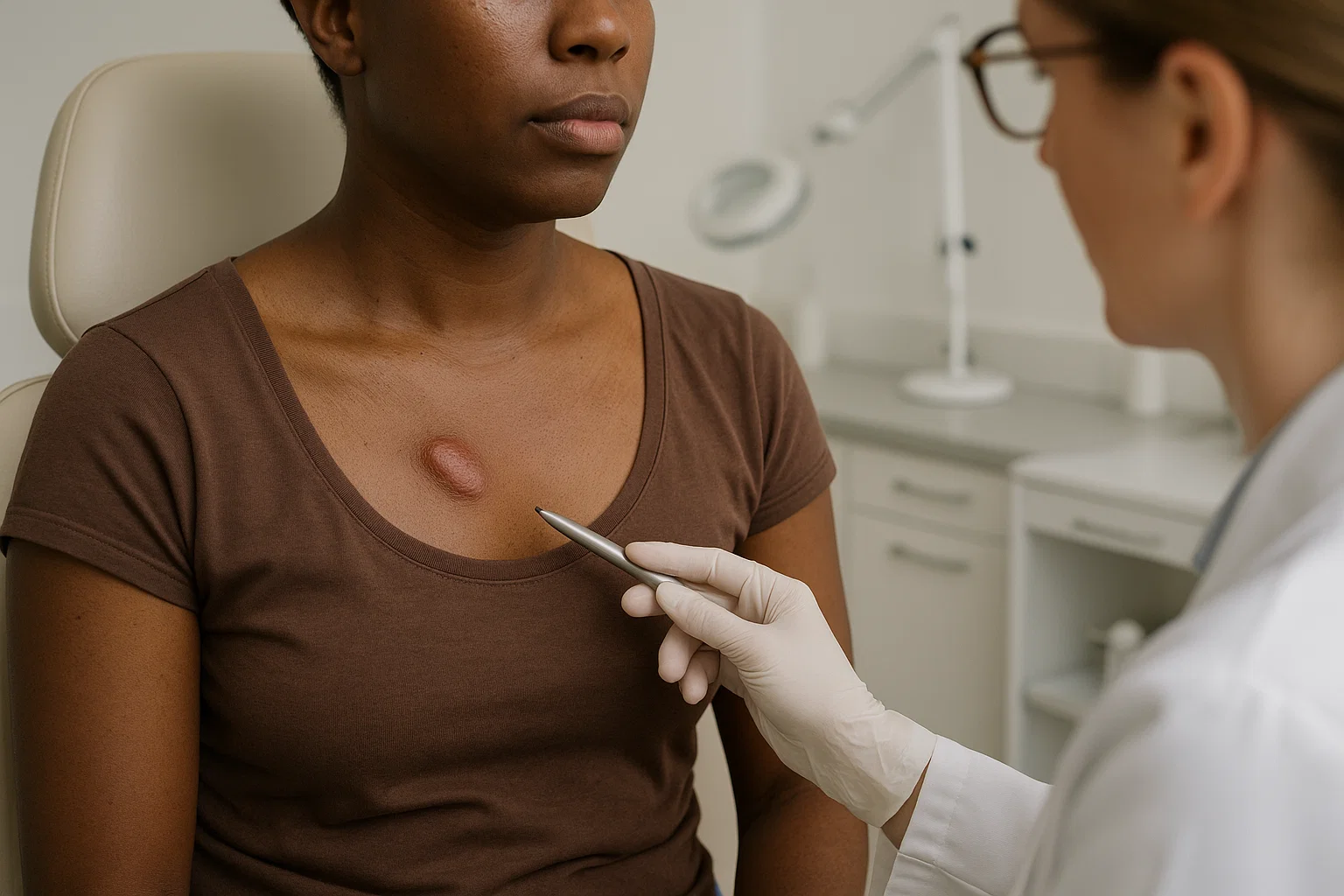
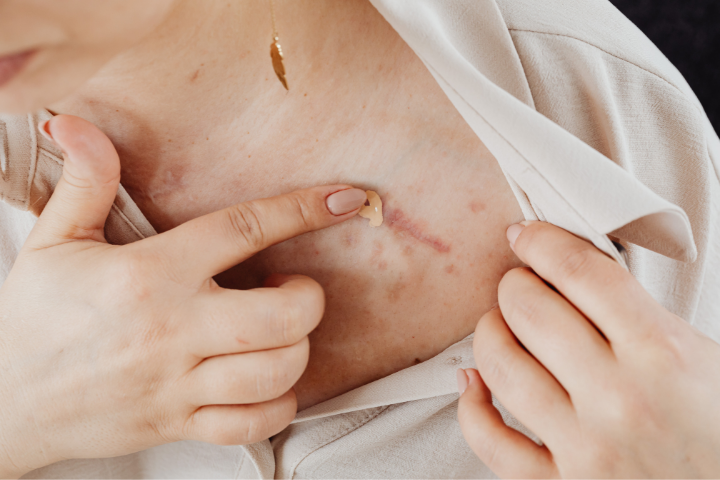
Living with keloids is rarely just a physical experience. For many people, the impact extends into confidence, body image, and how comfortable they feel in everyday situations. What may start as a small injury can evolve into a scar that feels persistent, visible, and emotionally difficult to ignore.
Unlike ordinary scars, keloids develop through a different biological response beneath the skin. Their tendency to grow beyond the original wound often makes scar treatment more complex, especially when scars appear in areas that are hard to conceal. Over time, this can influence how people dress, interact socially, or feel about their own appearance. This is where the connection between keloids and body image becomes deeply personal.
For individuals considering Keloid & Hypertrophic Scar Treatment, the motivation is often about more than improving how a scar looks. Many are searching for reassurance, professional guidance, and a treatment approach that acknowledges both the physical behaviour of the scar and its emotional impact. Concerns about long-term outcomes, including preventing keloid recurrence, are also part of this decision-making process.
Seeking care from a specialist clinic that understands keloids as a long-term condition allows patients to approach treatment with greater confidence. When scar care is framed as an ongoing, supportive process rather than a quick cosmetic fix, it can play an important role in restoring comfort, self-assurance, and overall emotional wellbeing.
The Emotional Impact of Keloids on Confidence and Self-Perception
Keloids often draw attention in ways people cannot control. When a scar is raised, textured, or located in a visible area, it can subtly change how someone experiences everyday life. Simple moments such as meeting new people, attending social events, or even choosing what to wear can start to feel more complicated than they should be.
Over time, this constant awareness of a scar can affect self-perception. Many individuals describe feeling self-conscious, guarded, or reluctant to show parts of their body that once felt neutral. This emotional response is not a sign of vanity; it is a natural reaction to living with something that feels unpredictable and difficult to manage.
What makes keloids particularly challenging is their persistence. Unlike scars that gradually fade, keloids may continue to change, reinforcing uncertainty and self-doubt. For some, this ongoing visibility becomes linked with confidence itself, shaping how comfortable they feel in professional settings, relationships, and public spaces.
Recognising this emotional impact is an important step. It shifts the conversation around keloids away from appearance alone and toward quality of life. When scar care acknowledges both the physical and psychological experience, treatment becomes about restoring ease and confidence, not just altering the surface of the skin.
How Scar Treatment Can Influence Emotional Wellbeing Over Time
1,A Sense of Regaining Control
One of the earliest emotional shifts people describe after starting scar treatment is a feeling of control. Keloids often feel unpredictable, especially when they continue to grow or change over time. Having a structured treatment plan, guided by a specialist, helps replace uncertainty with clarity. Even before visible changes occur, this sense of direction can ease anxiety and improve emotional comfort.
2.Reduced Daily Self-Consciousness
As a scar becomes flatter, softer, or less noticeable, many individuals find that they think about it less throughout the day. This reduction in constant awareness can have a quiet but meaningful impact on wellbeing. Less mental energy is spent managing clothing choices, posture, or social interactions, allowing confidence to return naturally rather than being forced.
3.Improved Comfort in Social and Professional Settings
Over time, scar treatment can change how people show up in public spaces. Feeling more at ease with one’s appearance often translates into greater openness during conversations, presentations, or social gatherings. For some, this shift supports not only personal confidence but also professional presence and communication.
4.Reframing the Relationship With the Scar
Treatment does not always mean completely removing a keloid, and emotional wellbeing improves when expectations are realistic. Many patients describe a change in how they relate to their scar — from frustration or avoidance to understanding and acceptance. This reframing is an important psychological outcome of specialist-led care.
5.Confidence Through Ongoing Support
Knowing that professional guidance is available if changes occur plays a significant role in long-term emotional stability. Scar care that includes monitoring and preventive strategies reassures patients that they are not managing the condition alone. This ongoing support often contributes to sustained confidence, even beyond the physical results of treatment.
Why Patient-Centred Keloid Care Matters for Long-Term Confidence
Keloid care is most effective when it considers the person, not just the scar. While clinical expertise is essential, long-term confidence often comes from feeling understood and supported throughout the treatment process. A patient-centred approach recognises that each individual experiences keloids differently, both physically and emotionally.
When care is tailored, treatment decisions are shaped by more than scar size or location. Factors such as lifestyle, comfort levels, previous treatment experiences, and emotional concerns all play a role. This personalised perspective helps patients feel involved rather than passive, which can significantly improve trust and satisfaction over time.
Consistency is another key element of patient-centred care. Keloids may require monitoring and adjustment, and knowing that a specialist is following progress over time can ease anxiety about recurrence or unexpected changes. This continuity allows confidence to build gradually, supported by clear communication and realistic expectations.
In a dedicated medical setting, patient-centred care also means providing space for questions, concerns, and honest conversations. When individuals feel heard, scar treatment becomes less about fixing a problem and more about supporting long-term wellbeing. This foundation of trust is often what allows confidence to extend beyond physical results and into everyday life.
Conclusion: Supporting Confidence Beyond the Scar
Keloids can influence far more than the surface of the skin. Their presence often shapes confidence, body image, and how comfortable someone feels in daily life. Understanding this connection allows scar care to move beyond appearance and toward supporting emotional wellbeing alongside physical improvement.
When treatment is guided by specialists who recognise both the medical behaviour of keloids and their psychological impact, patients are better equipped to make informed decisions. Scar treatment becomes a process of care, reassurance, and long-term support rather than a single outcome-focused intervention.
If you are considering treatment or simply want to understand your options, a professional assessment can offer clarity and peace of mind. At London Keloid Scar Clinic, consultations focus on listening, evaluating, and guiding patients through personalised care pathways designed to support both skin health and confidence over time.
👉 Booking a consultation is not a commitment to treatment, but an opportunity to explore expert guidance in a supportive medical setting helping you take the next step with confidence and understanding.