
Most people notice a raised scar and assume it is a keloid. In reality, not every thick or bumpy scar is the same, and the difference can matter more than you might think. Two of the most common types are keloid scars and hypertrophic scars can look very similar at first glance, yet they behave differently over time and respond to treatment in their own ways.
For patients, this often leads to confusion and frustration. You may have tried creams, injections, or even previous procedures without seeing the results you hoped for. In many cases, the issue is not the treatment itself, but the diagnosis behind it. Knowing which type of scar you are dealing with helps doctors choose an approach that fits your skin, your history, and your long-term goals.
In this guide, we will break down the key differences between keloid and hypertrophic scars in simple terms, explain how specialists tell them apart, and show why getting the right diagnosis is an important first step toward more predictable and lasting results.
What Defines a Keloid Scar

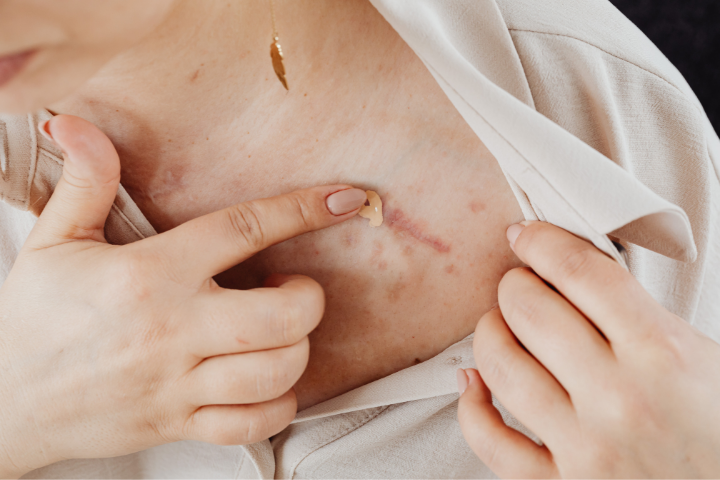
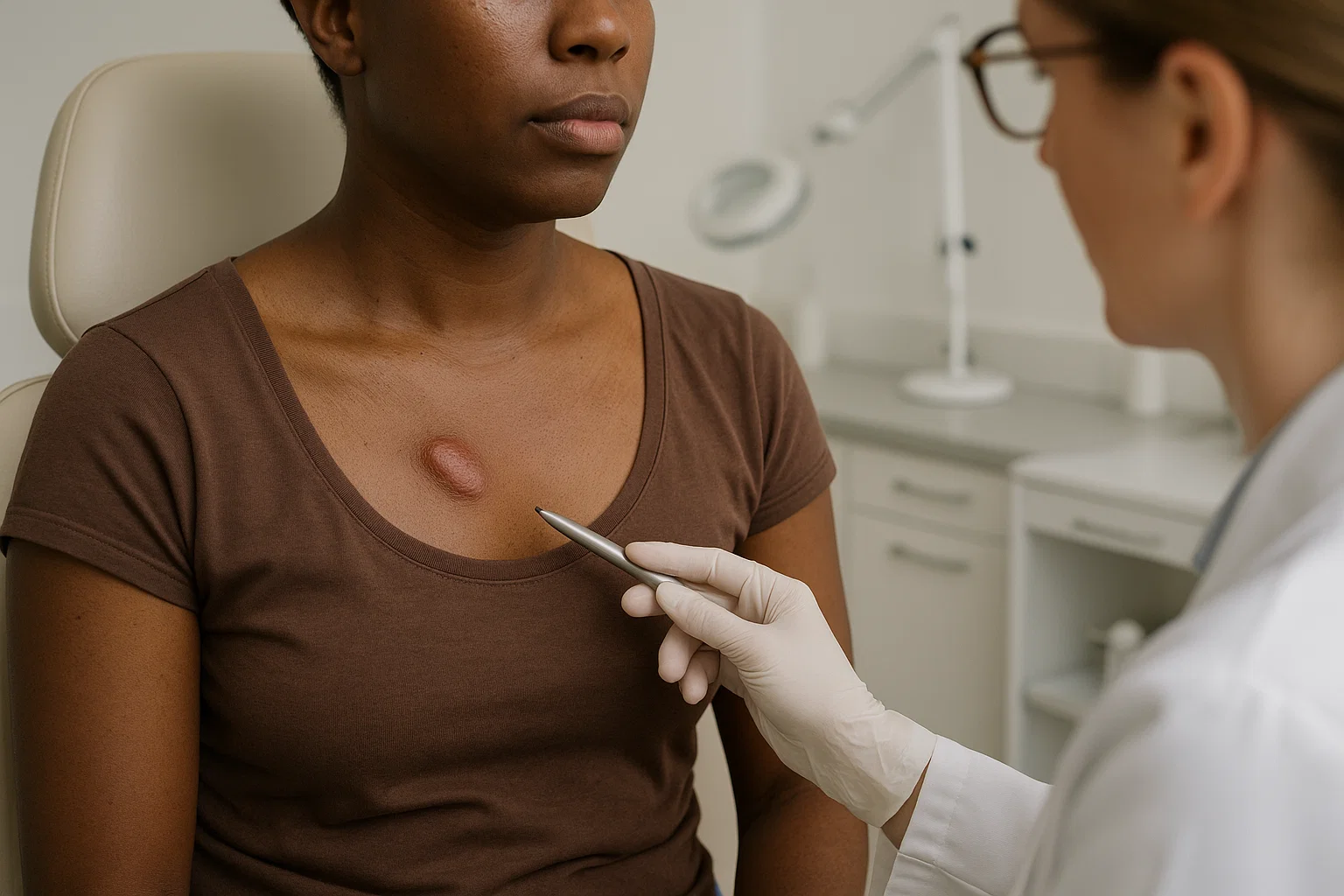
A keloid scar is more than just a raised mark on the skin. It forms when the body keeps producing scar tissue even after a wound has already healed. Instead of stopping at the edge of the original injury, the scar slowly grows beyond it, creating a thick, smooth, and often shiny area on the skin.
Many people first notice a keloid because it feels different from the surrounding skin. It may feel firm, tight, or slightly rubbery to the touch. Some patients also experience ongoing symptoms such as itching, tenderness, or a mild burning sensation, especially as the scar continues to develop.
Keloids tend to appear in certain areas more often than others, including the chest, shoulders, upper back, jawline, and earlobes. They can start small and become larger over time, sometimes months or even years after the original cut, piercing, or surgical incision has healed. This slow and unpredictable growth pattern is one of the main reasons doctors approach keloid treatment with long-term planning rather than quick fixes.
What Defines a Hypertrophic Scar
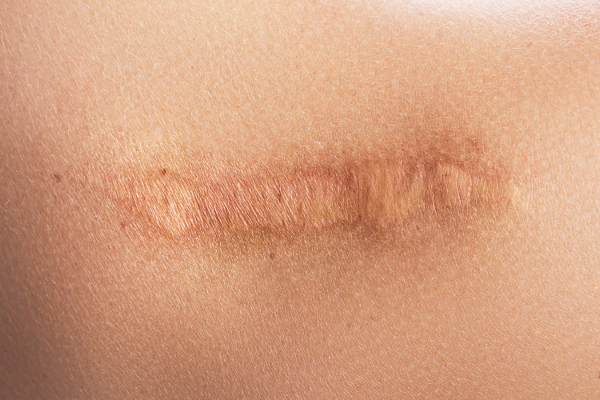
A hypertrophic scar also appears raised and firm, which is why it is often confused with a keloid. The key difference is how it behaves over time and where it stays on the skin. Unlike a keloid, a hypertrophic scar remains within the boundaries of the original wound and does not spread beyond it.
These scars usually develop within a few weeks after the skin has healed. At first, they may look red or darker than the surrounding area and feel tight or slightly uncomfortable. For many patients, this phase can be frustrating, especially if the scar is in a visible place or over a joint where movement feels restricted.
The good news is that hypertrophic scars often improve on their own. Over months, they tend to become flatter, softer, and less noticeable, even without aggressive treatment. This natural change is one of the main clues doctors use when deciding whether a scar is hypertrophic or a true keloid, and it plays an important role in choosing the most appropriate treatment plan.
Key Clinical Differences Doctors Look For
1.How far the scar spreads
One of the first things doctors check is whether the scar stays within the original wound or grows beyond it. Scars that extend past the edges of the injury are more likely to be keloids, while those that remain contained are usually classified as hypertrophic.
2.How the scar changes over time
Specialists pay close attention to the scar’s growth pattern. Keloids often continue to thicken or expand months after the skin has healed. Hypertrophic scars, on the other hand, tend to peak in size and then slowly become flatter and softer.
3.Symptoms you experience
Ongoing itching, tenderness, or a feeling of tightness can offer important clues. While both types can cause discomfort, persistent or worsening symptoms are more commonly linked with keloid scars.
4.Response to early treatment
Doctors also look at how the scar reacts to simple treatments such as pressure, silicone sheets, or initial injections. A limited or short-term response may suggest a keloid, while gradual improvement often points toward a hypertrophic scar.
Why the Difference Matters for Treatment Planning
- Risk of the scar coming back
Keloid scars have a much higher chance of returning after treatment, especially if they are only removed or treated once. This means doctors often plan a long-term approach rather than a single procedure. - Choice of treatment methods
Hypertrophic scars may respond well to simpler options such as silicone therapy, pressure, or a short course of injections. Keloids usually require more structured care, often combining injections, close monitoring, and sometimes additional procedures. - Number of sessions needed
A hypertrophic scar may improve within a few visits. Keloid treatment is often spread out over multiple sessions to control growth and reduce symptoms gradually. - Aftercare and follow-up
Patients with keloid scars are usually given a more detailed aftercare plan and scheduled follow-ups to catch early signs of regrowth. This helps improve long-term results. - Setting realistic expectations
Understanding the type of scar helps both doctors and patients align on what is possible. While many scars can be improved, some may not completely disappear, and knowing this early helps avoid disappointment later on.
Conclusion
Understanding the difference between a keloid scar and a hypertrophic scar is more than a medical detail,it is the foundation of an effective treatment plan. While both types can look similar on the surface, they behave differently over time and require their own approach to care. Getting the diagnosis right helps reduce unnecessary treatments, lowers the risk of recurrence, and leads to more predictable results.
If you are unsure what type of raised scar you have, a specialist assessment can provide clarity and direction. At the London Keloid Scar Clinic, patients receive a personalised consultation focused on understanding their scar history, symptoms, and long-term goals before any treatment begins.
Ready to take the next step?
Book a free consultation with a keloid specialist doctor and explore treatment options tailored to your needs.