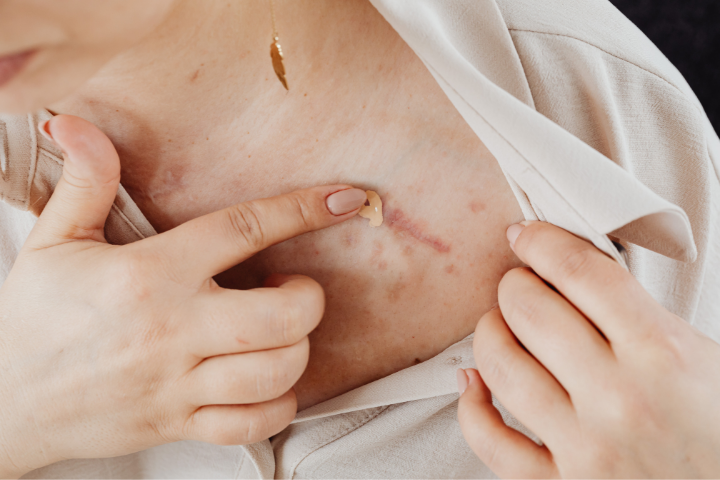

For many people, the decision to seek keloid treatment begins long before they contact a clinic. It often starts with research, quiet hesitation, and scrolling through information late at night trying to understand what is realistic, what is possible, and what the journey might actually look like.
Before-and-after images can be part of that process. They offer a visual reference and help people imagine potential change, but they rarely tell the full story. What those images do not show is the series of steps, assessments, and decisions that take place between the first inquiry and long-term scar management. This is where the real keloid scar treatment journey in London begins.
Every patient arrives with different concerns. Some are focused on visible improvement, while others are worried about recurrence, downtime, or whether treatment will fit into their daily life. Understanding the pathway from consultation, to personalised planning, to ongoing care can help reduce uncertainty and set clearer expectations from the start.
This article walks through what patients typically experience when seeking specialist keloid care in a London clinic. Rather than focusing only on outcomes, it looks at the process behind them, helping you understand how long-term keloid management is approached and why professional guidance plays a central role throughout the journey.
The First Step: Making an Enquiry Without Pressure
For many patients, reaching out to a keloid clinic is not an easy decision. It often comes after months, or even years, of living with uncertainty wondering whether treatment is necessary, whether it will work, or whether it will fit into everyday life. The first enquiry is usually not about committing to treatment, but about seeking clarity.
In a specialist London clinic, this initial step is designed to be simple and low-pressure. Patients often start with a question rather than a request for treatment. They may ask about suitability, timing, or what a consultation involves. Having access to clear, professional responses helps remove much of the anxiety that surrounds the unknown.
What matters most at this stage is transparency. Understanding what happens next, how the consultation process works, and what information is needed allows patients to move forward at their own pace. For many, knowing that an inquiry does not automatically lead to treatment makes it easier to take that first step.
This early interaction sets the tone for the entire keloid treatment journey. When communication feels open and supportive, patients are better positioned to make informed decisions whether that leads to a consultation now or simply provides reassurance for the future.
What Happens During a Keloid Consultation
A keloid consultation is less about immediate treatment and more about understanding. For many patients, this is the first opportunity to discuss their scar in detail with a specialist who deals with keloids every day. The focus is on listening, assessing, and building a clear picture of how the scar has developed over time.
During the consultation, the specialist will look at the location, size, and texture of the scar, as well as how it feels. Just as importantly, they will ask about your history—when the scar first appeared, whether it has changed, and if any treatments have been tried before. This context helps determine whether the scar is stable or still active beneath the surface.
Patients are also encouraged to talk openly about their concerns. Some worry about appearance, others about discomfort, recurrence, or how treatment might fit into work and daily life. A good consultation creates space for these questions, helping patients understand their options rather than pushing them toward a specific outcome.
By the end of the consultation, most patients leave with clarity. Even if treatment does not begin straight away, they have a clearer understanding of their scar, the possible next steps, and how long-term keloid management is typically approached. This foundation makes future decisions feel more informed and far less overwhelming.
Understanding the Treatment Plan and Next Steps
1.Reviewing the Assessment Findings
After the consultation, the first step is understanding what the specialist has observed. This includes how active the keloid appears, whether it is still growing, and how the surrounding tissue is responding. These details help shape a plan that is based on the behaviour of the scar, not just its appearance.
2.Discussing Suitable Treatment Options
Patients are then guided through the available treatment approaches that may be appropriate for their situation. Rather than presenting a single solution, the discussion focuses on how different methods work and why certain options may be more suitable at this stage of the keloid’s development.
3.Setting Realistic Expectations
An important part of planning is aligning expectations. Specialists explain what kind of changes are likely, how long improvement may take, and why keloid treatment often requires patience. This helps patients feel prepared rather than surprised as the process unfolds.
4.Considering Timing and Lifestyle Factors
Treatment planning also takes daily life into account. Work schedules, travel, and personal commitments are discussed to ensure that care fits comfortably into the patient’s routine. This flexibility is especially important for those balancing treatment with busy professional lives.
5.Planning for Follow-Up and Ongoing Care
Finally, the plan looks beyond the initial treatment phase. Follow-up appointments and long-term monitoring are outlined so patients understand how progress will be tracked and adjusted over time. This forward-looking approach supports more stable results and informed decision-making throughout the journey.
Treatment in Practice: What Patients Commonly Experience
Once treatment begins, many patients are surprised by how manageable the process feels. Rather than being disruptive, sessions are typically structured to fit around daily routines, especially for those balancing work and personal commitments. Each visit follows the plan discussed during consultation, with the specialist monitoring how the scar responds over time.
During treatment, patients may notice gradual changes rather than immediate transformation. Keloid scars often respond in stages, becoming softer or less raised before more visible improvements appear. This step-by-step progression is a normal part of the process and helps set realistic expectations from the outset.
Comfort and communication play an important role throughout treatment. Patients are encouraged to share how the scar feels between sessions, whether there is tenderness, itching, or changes in texture. These observations help specialists adjust the approach when needed, ensuring care remains responsive rather than rigid.
Importantly, treatment does not end when a session finishes. Guidance on aftercare, what to expect in the days that follow, and when to return for review helps patients feel supported beyond the clinic visit itself. Over time, this consistency builds trust and confidence, making the journey feel collaborative rather than clinical.
Long-Term Keloid Management Beyond Initial Treatment
For many patients, the most important part of keloid care begins after the initial treatment phase. While early improvement can be encouraging, long-term management focuses on maintaining stability and reducing the risk of regrowth over time. This ongoing approach recognises that keloids behave differently from ordinary scars and often require continued attention.
Specialist-led follow-up allows subtle changes in the scar to be identified early. Small shifts in texture, firmness, or sensitivity can signal activity beneath the surface, even when visible changes are minimal. Monitoring these signs helps guide timely adjustments rather than waiting for noticeable recurrence.
Long-term keloid management is also about education. Patients learn what to watch for, how lifestyle factors may influence scar behaviour, and when to seek further assessment. This knowledge empowers individuals to feel more confident and proactive, rather than anxious or uncertain about the future.
By viewing keloid care as an ongoing partnership rather than a single course of treatment, patients are better supported in preserving results. This continuity plays a key role in preventing recurrence and helps ensure that improvements achieved through treatment are maintained as part of a long-term strategy.
Why a Specialist London Clinic Makes the Journey Easier
Choosing where to manage keloids can influence the entire treatment experience. In a specialist London clinic, care is shaped around both clinical expertise and the realities of everyday life, making the journey feel more structured and less overwhelming from the start.
Access to a dedicated medical team means assessment and treatment are guided by experience with keloids specifically, not general scar care. This focus allows for more informed decision-making, clearer explanations, and treatment plans that reflect how keloids behave over time rather than applying a one-size-fits-all approach.
Location and continuity also matter. Being treated in a central medical district such as Harley Street offers convenience for follow-up and reassurance that care takes place in a professional medical setting. Patients benefit from consistent monitoring, familiar clinicians, and a clearer sense of progression throughout their treatment journey.
Perhaps most importantly, specialist care provides confidence. Knowing that expert guidance is available at every stage from first enquiry to long-term management—helps patients move forward with greater trust and less uncertainty. This support often makes the difference between delaying care and taking a positive, informed step toward lasting keloid management.
Conclusion: From First Enquiry to Long-Term Confidence
A keloid treatment journey is rarely defined by a single appointment or outcome. For most patients, it is a gradual process that begins with a simple enquiry and develops into a clearer understanding of their scar, their options, and their long-term care plan. Knowing what to expect at each stage can make this journey feel far more manageable.
From the initial consultation to personalised treatment planning and ongoing management, specialist care helps reduce uncertainty and supports informed decision-making. Rather than focusing solely on visible results, this approach prioritises consistency, monitoring, and realistic expectations key factors in long-term keloid management.
If you are considering treatment, taking the first step does not mean committing to a procedure. A professional consultation is simply an opportunity to ask questions, understand your scar, and explore whether specialist care is right for you.
At London Keloid Scar Clinic, the focus is on guiding patients through each stage of care with clarity and support. Booking a consultation allows you to begin that journey with expert insight, helping you move forward with confidence rather than hesitation.
👉 When you feel ready, arranging a consultation can be the starting point toward informed, long-term keloid management in a trusted medical setting.