
Table of Contents
Ingrown hairs are common—but when they turn into raised, thick scars, they can become much harder to deal with. If you’re struggling with an ingrown hair keloid or a keloid scar from ingrown hair, you’re not alone.
This guide explains what causes it, how to treat it, and the most effective ways to remove it safely.
What Is an Ingrown Hair Keloid?
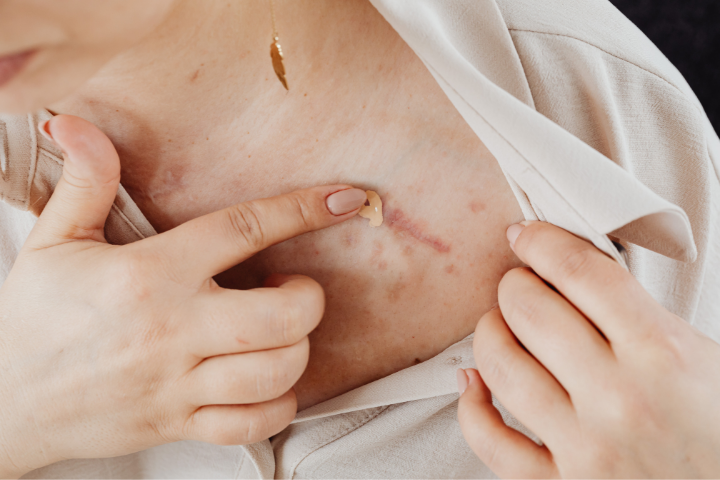
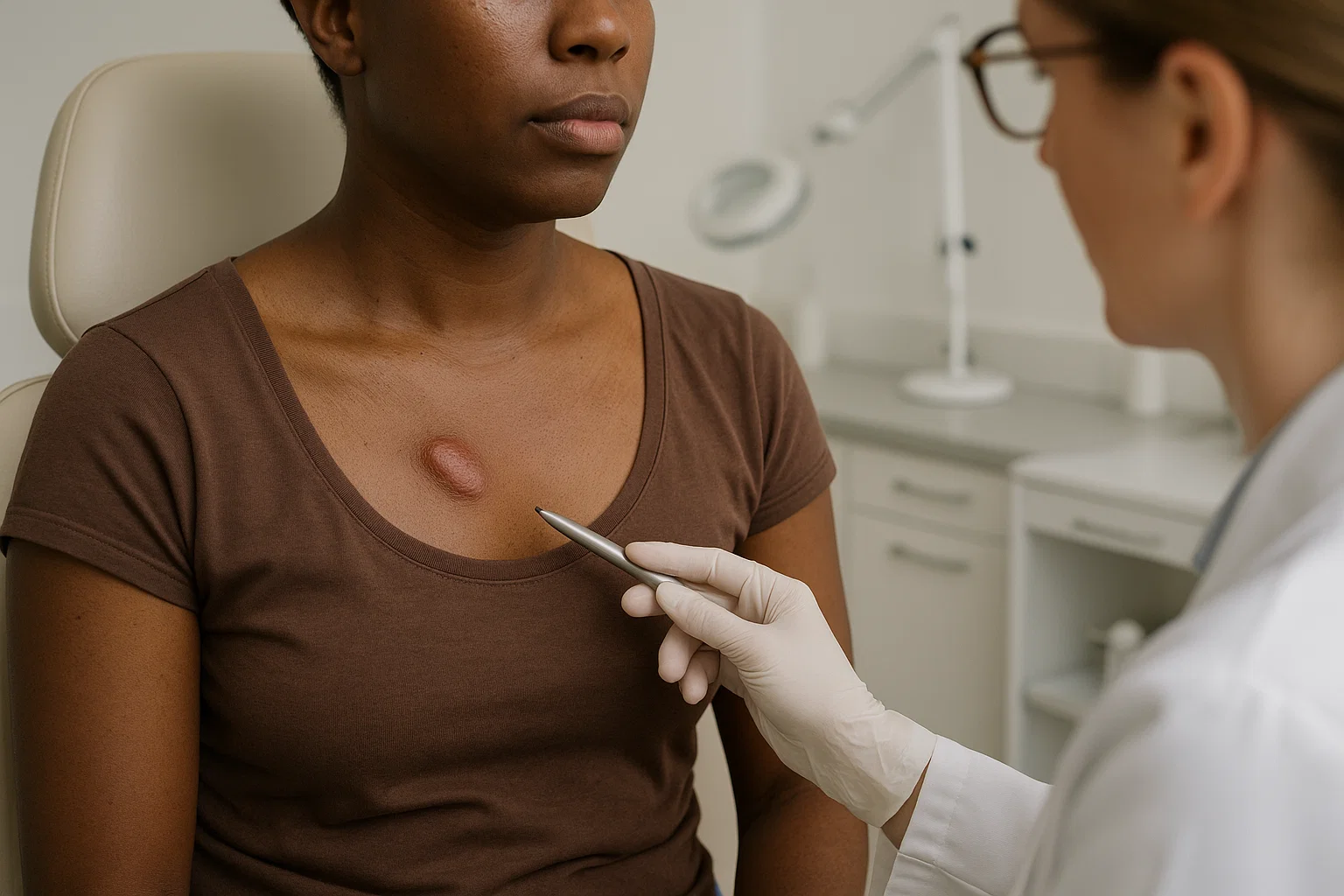
An ingrown hair keloid scar forms when a hair grows back into the skin and triggers excessive healing. Instead of a flat scar, your body produces too much collagen, leading to a raised, firm bump.
Common areas include:
- Beard/neck (from shaving)
- Bikini or pubic area
- Legs and underarms
This is why many people notice a razor bump turned into keloid over time.
Keloid vs Ingrown Hair: What’s the Difference?
Understanding keloid vs ingrown hair is important:
| Condition | Appearance | Behavior |
|---|---|---|
| Ingrown Hair | Small bump, sometimes with a visible hair | May go away on its own |
| Keloid | Raised, thick, smooth scar | Grows beyond original area |
If your ingrown hair turned into keloid, it likely became permanent without treatment.
What Causes Keloids from Ingrown Hair?
Several factors increase your risk of keloids from ingrown hair:
- Repeated shaving or waxing
- Tight clothing causing friction
- Picking or squeezing ingrown hairs
- Genetic tendency (common in darker skin tones)
- Inflammation from untreated ingrown hairs
How to Get Rid of Ingrown Hair Scars (Including Keloids)
1. Silicone Gel or Sheets
Best for early scars:
- Flattens raised scars
- Softens texture over time
- Works for mild ingrown hair scars
2. Steroid Injections (Most Effective for Keloids)
Doctors inject corticosteroids directly into the scar:
- Reduces size and thickness
- Relieves itching and discomfort
- Ideal for keloid bump removal
3. Laser Treatment
Advanced option for stubborn scars:
- Reduces redness and thickness
- Improves skin texture
- Common for ingrown hair keloid scar removal
4. Cryotherapy (Freezing Treatment)
Used for smaller keloids:
- Freezes scar tissue
- Gradually shrinks the bump
5. Surgical Removal (With Caution)
For large keloid ingrown hair scars:
- Physically removes the keloid
- Often combined with injections or radiation to prevent regrowth
6. Topical Creams for Ingrown Hair Scar
Some ingrown hair scar removal creams can help:
- Retinoids (boost skin renewal)
- Lightening agents (reduce dark marks)
- Mild exfoliants (prevent future ingrown hairs)
Note: These are less effective on true keloids but useful for ingrown hair scarring treatment in early stages.
Special Case: Ingrown Hair Keloid Scar in Pubic Area
The ingrown hair keloid scar pubic area is very common due to:
- Shaving
- Friction
- Sensitive skin
Best treatments:
- Laser hair removal (prevention)
- Steroid injections
- Avoid tight clothing and shaving irritation
Can You Remove a Keloid from Ingrown Hair at Home?
Short answer: Not completely.
Home treatments may help:
- Reduce appearance
- Prevent worsening
But for full keloid bump removal, professional treatment is usually required.
How to Prevent Ingrown Hair Scarring
Prevention is key to avoiding scars from ingrown hairs:
- Shave in the direction of hair growth
- Use a sharp, clean razor
- Exfoliate regularly
- Avoid picking or squeezing
- Consider laser hair removal
When Should You See a Specialist?
You should seek treatment if:
- The scar is growing
- It’s painful or itchy
- It doesn’t improve after a few months
- You suspect an ingrown keloid
Early treatment gives the best results.
FAQs About Ingrown Hair Keloid Scars
Permanent removal depends on the type of scar. Flat ingrown hair scars may fade with creams and exfoliation, but true keloids usually require medical treatments like steroid injections, laser therapy, or surgical removal. Combining treatments often gives the best long-term results.
Yes. If the skin overreacts to inflammation, an ingrown hair turned into keloid can happen. This is more likely if you repeatedly irritate the area by shaving, picking, or waxing.
Mild scars may fade within a few weeks to months. However, keloid scars from ingrown hair do not go away on their own and can last for years without treatment.
The best ingrown hair scar treatment depends on severity:
- Mild scars → creams and exfoliation
- Dark marks → brightening treatments
- Keloids → steroid injections or laser
A professional consultation is recommended for accurate treatment.
No, but they can be uncomfortable and affect confidence. Some keloids from ingrown hair may itch, hurt, or continue growing if untreated.
Most creams help with discoloration and mild scars, but they are usually not strong enough for keloid scar ingrown hair. Medical treatments are more effective for raised scars.