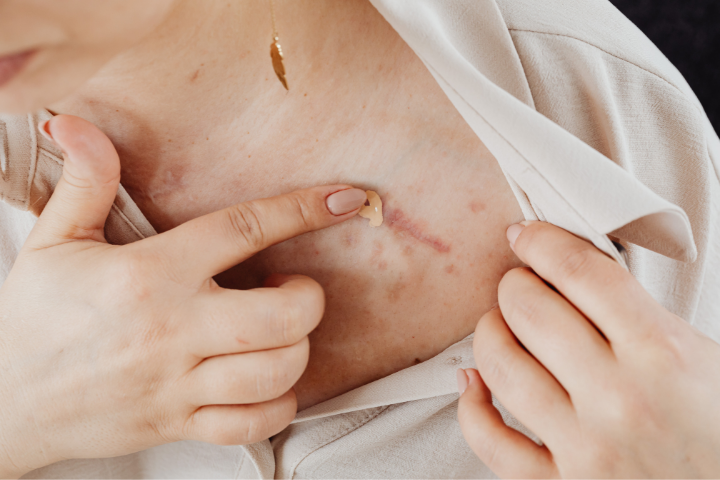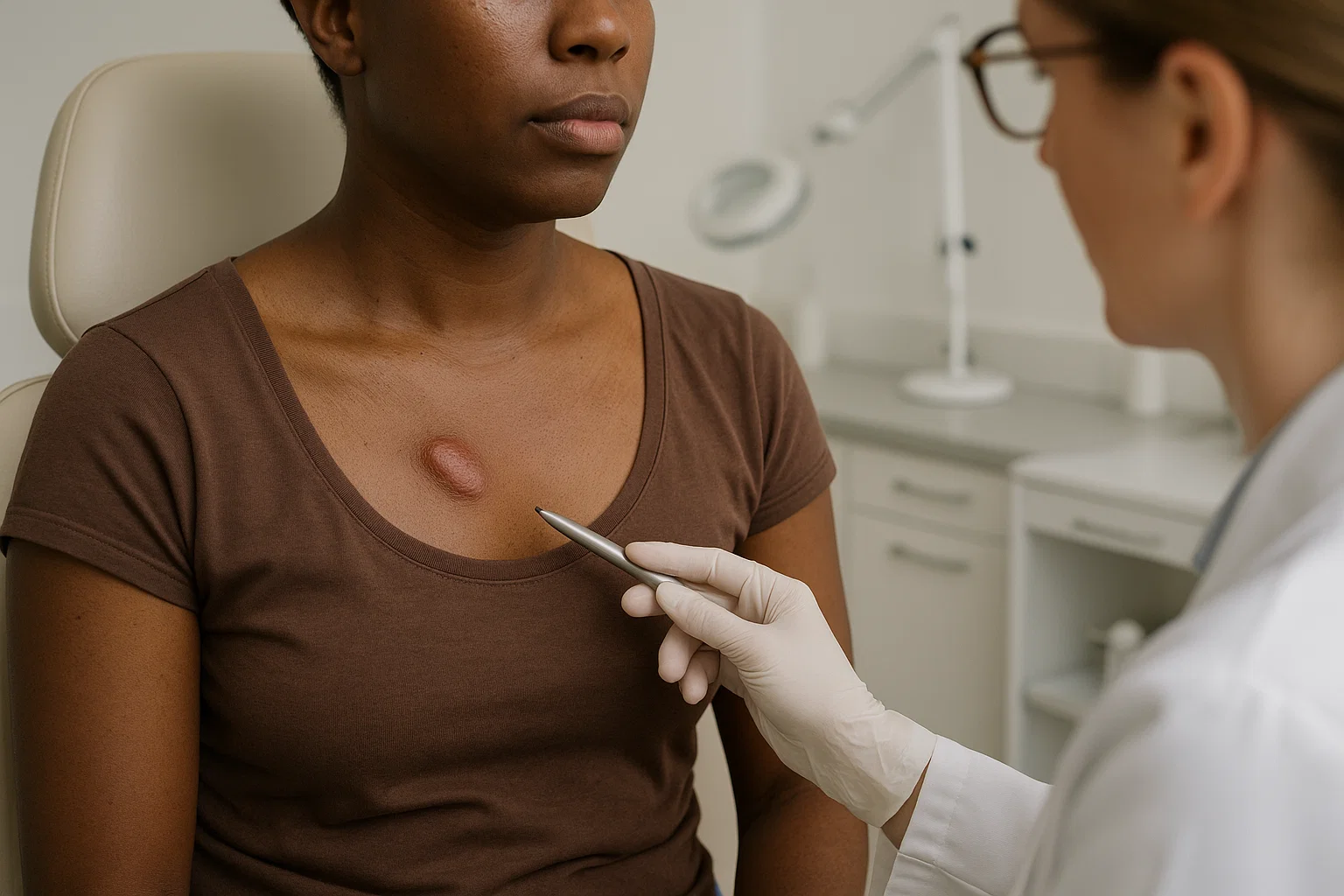
Keloid scarring is more than a medical condition — it’s an experience that can affect how we feel about our bodies, our histories, and our hopes for the future. While most treatment conversations focus on steroid injections, lasers, or surgery, there’s a deeply human part of this journey that’s often left unspoken: the emotional healing that comes with facing long-term skin trauma. At the London Keloid Scar Clinic, we believe that care extends beyond the clinical. That’s why we’re inviting a different conversation — one about gratitude, resilience, and community.
This reflection is inspired by the spirit of gratitude often felt during the late autumn season. While “Thanksgiving” may not be a traditional British holiday, the themes of appreciation, healing, and connection resonate across cultures. For many of our patients, gratitude is not about ignoring the pain they’ve endured. It’s about finding moments of meaning within the journey.
What Does Gratitude Look Like in a Keloid Journey?
Gratitude doesn’t mean being thankful for the scar itself. It means recognising the parts of the process that have helped you grow — a kind nurse, a friend who showed up, the strength you didn’t know you had. Gratitude can be:
- Appreciating your body for how hard it’s tried to protect you.
- Thanking a loved one who supported you when treatments felt overwhelming.
- Celebrating small wins, like reduced itching, improved movement, or a clearer understanding of your options.
- Acknowledging your own bravery, especially when you had to advocate for care others didn’t understand.
These moments are often quiet, but they’re powerful.
Why Emotional Healing Matters in Keloid Care
Keloid scars often occur after trauma — surgery, acne, injury, piercings — and they can be painful, disfiguring, and persistent. But the emotional toll is less visible.
At London Keloid Scar Clinic, we routinely see patients who have been dismissed by previous clinicians or told that nothing could be done. Many carry years of frustration, anxiety, and shame. For those from Black, Brown, or Asian communities — where keloids are more common — this experience can be layered with cultural, identity-based, and systemic barriers to care.
That’s why emotional wellbeing is a core part of the keloid recovery process. It’s not just about managing the scar. It’s about supporting the person who wears it.
Building a Culture of Gratitude in Clinical Care
Dr Salinda Johnson and the team at London Keloid Scar Clinic have pioneered a model of care that combines medical excellence with psychological safety. This includes:
- Warm, respectful communication at every stage
- Patient-led treatment plans that empower rather than dictate
- Supportive follow-up that values long-term trust
- Space to reflect on how scars affect identity, confidence, and relationships
One of our patients, Amina, told us:
“It was the first time I felt seen. They didn’t rush me. They asked about my experience, not just my symptoms.”
These are the moments where gratitude is cultivated — not forced, but grown through genuine connection.
How Gratitude Can Aid Physical Healing
While gratitude isn’t a replacement for medical intervention, research shows it can play a supporting role in health outcomes. Practising gratitude has been linked to:
- Lower cortisol (stress hormone) levels
- Improved immune function
- Better sleep
- Increased treatment adherence
- Lower anxiety and depression scores
In a clinical setting, this translates to patients who are more motivated, more hopeful, and more engaged in their recovery — all factors that can improve outcomes in complex conditions like keloid scarring.
Practical Gratitude Practices for Patients
If you’re navigating a keloid treatment journey, you might find it helpful to explore one or more of these gratitude-based tools:
1. The Three Good Things Practice
Each evening, write down three things that went well that day — no matter how small. They can be:
- “I asked a good question at my appointment.”
- “My partner said something kind about my skin.”
- “I felt hopeful after seeing before-and-after photos.”
2. Letter of Thanks (Even If You Don’t Send It)
Write a note to someone who’s supported you — a clinician, friend, family member, or even your past self. You don’t need to send it. The act of writing helps process emotion and deepen your connection to your support system.
3. Gratitude Jar
Keep a jar where you drop in small notes about moments you’re grateful for during your treatment. It becomes a physical reminder of your progress and resilience.
4. Mindful Touch
When applying creams or silicone gels, turn the moment into an act of kindness. Breathe slowly, and thank your body for healing — even if the process is slow.
Patient Reflections: Real Stories of Gratitude
“After years of being told there was nothing I could do, I finally found a clinic that listened. I’m not grateful for my scar — but I’m grateful for the journey that showed me I’m not alone.”
— Tariq, 38, West London
“I used to hate mirrors. But after my fourth VBeam session, I started to see the difference. And I’m thankful for that. More than that — I’m thankful that I feel different.”
— Charlotte, 27, Kent
“Being able to sit down and not be in pain was something I’d forgotten to be grateful for. When that changed, I cried. Not because it hurt — but because it didn’t.”
— Jasmin, 45, Birmingham
Gratitude, but Not Toxic Positivity
It’s important to clarify: Gratitude doesn’t mean pretending everything is fine. You’re allowed to grieve the changes to your body. You’re allowed to feel frustrated when a treatment doesn’t work. And you’re allowed to hold both: the sadness and the appreciation.
At our clinic, we never ask patients to “stay positive” or “just be grateful.” We believe in acknowledging every emotion — and letting gratitude be part of a full emotional spectrum, not a requirement.
How the London Keloid Scar Clinic Supports Emotional Healing
Our team goes beyond medical intervention. We create a care environment that welcomes emotional conversation. This includes:
- Access to mental health support referrals
- Culturally sensitive consultation
- Flexible appointment structures for those who need more time
- Community resources for continued healing outside the clinic
Ready to explore treatment with compassionate care?
Visit the keloid scar treatment page to learn more about our comprehensive services.
Final Thoughts: Gratitude as a Practice, Not a Destination
You don’t need to be grateful all the time. You don’t need to “make peace” with your scars. But if you find one moment — one tiny thing to hold onto — that reminds you of your strength, your support, or your growth, that’s enough.
At London Keloid Scar Clinic, we don’t just treat scars — we treat people. And we honour your journey, wherever it leads.
FAQs: Gratitude and Emotional Healing in Keloid Care
1. Can gratitude really help me heal from a keloid scar?
Gratitude doesn’t replace medical treatment, but it can support your wellbeing, reduce stress, and increase resilience — all of which may improve outcomes.
2. What if I don’t feel grateful at all?
That’s okay. You don’t have to. Gratitude is a practice, not a performance. It’s something you can explore over time — or not at all.
3. Do you offer emotional support as part of treatment?
Yes. Our consultations create space for emotional conversations, and we can refer you to therapists who understand skin trauma and body image issues.
4. Can I share my story to support others?
Absolutely. We love to share anonymised patient stories to help others feel less alone. Let us know if you’d like to contribute.
5. Is this approach culturally sensitive?
Yes. We understand that gratitude and emotional expression vary across cultures. We tailor our approach with care and inclusivity.
6. What treatments do you offer alongside emotional support?
We offer steroid injections, VBeam laser, excision with prevention, pressure therapy, and more. Visit our keloid scar treatments page for full options.