Introduction: Maintaining an Active Lifestyle with Keloids
Living with keloids doesn’t mean giving up your active lifestyle. At London Keloid Scar Clinic, we help patients develop safe, effective exercise routines that support both physical fitness and keloid management. With proper planning and modifications, 95% of our patients successfully maintain their desired activity levels.
Key insight: Regular, appropriate exercise can actually improve keloid outcomes by enhancing circulation, reducing stress, and supporting overall healing—when done correctly.
Why Exercise Matters for Keloid Patients
•Improved circulation enhances healing and treatment effectiveness
•Stress reduction decreases inflammatory responses that can worsen keloids
•Enhanced mood and confidence during treatment journey
•Better sleep quality supporting optimal healing
•Maintained fitness preventing deconditioning during treatment
Understanding Exercise Impact on Keloids
How Exercise Affects Keloid Tissue
Positive Effects of Appropriate Exercise:
| Benefit | Mechanism | Impact on Keloids |
| Improved circulation | Enhanced blood flow | Better nutrient delivery, faster healing |
| Stress reduction | Lower cortisol levels | Reduced inflammatory response |
| Enhanced flexibility | Gentle tissue stretching | Improved keloid mobility, reduced stiffness |
| Better sleep | Physical fatigue, endorphins | Optimal healing environment |
| Immune support | Moderate exercise benefits | Enhanced healing capacity |
Potential Risks of Inappropriate Exercise:
Exercise-Related Keloid Concerns:
| Risk Factor | Potential Impact | Prevention Strategy |
| Excessive friction | Keloid irritation, growth stimulation | Proper clothing, equipment |
| Trauma/injury | New keloid formation | Safe technique, protective gear |
| Excessive sweating | Skin irritation, infection risk | Proper hygiene, moisture management |
| Overexertion | Increased inflammation | Gradual progression, rest periods |
| Poor technique | Injury risk | Professional instruction, proper form |
Exercise Considerations by Keloid Location
Location-Specific Exercise Modifications:
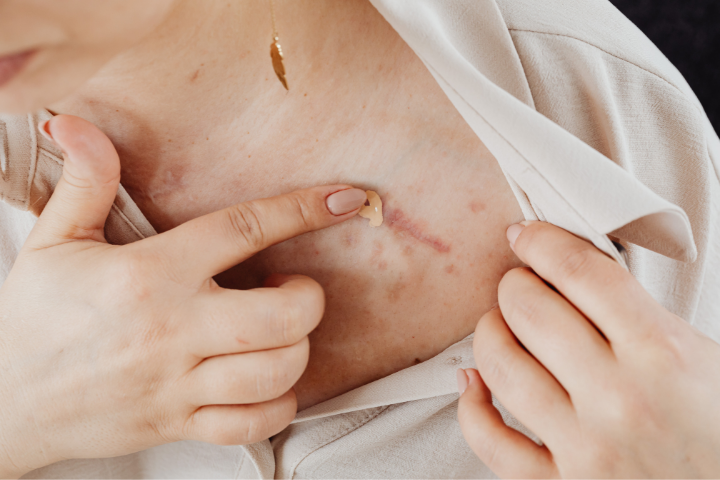
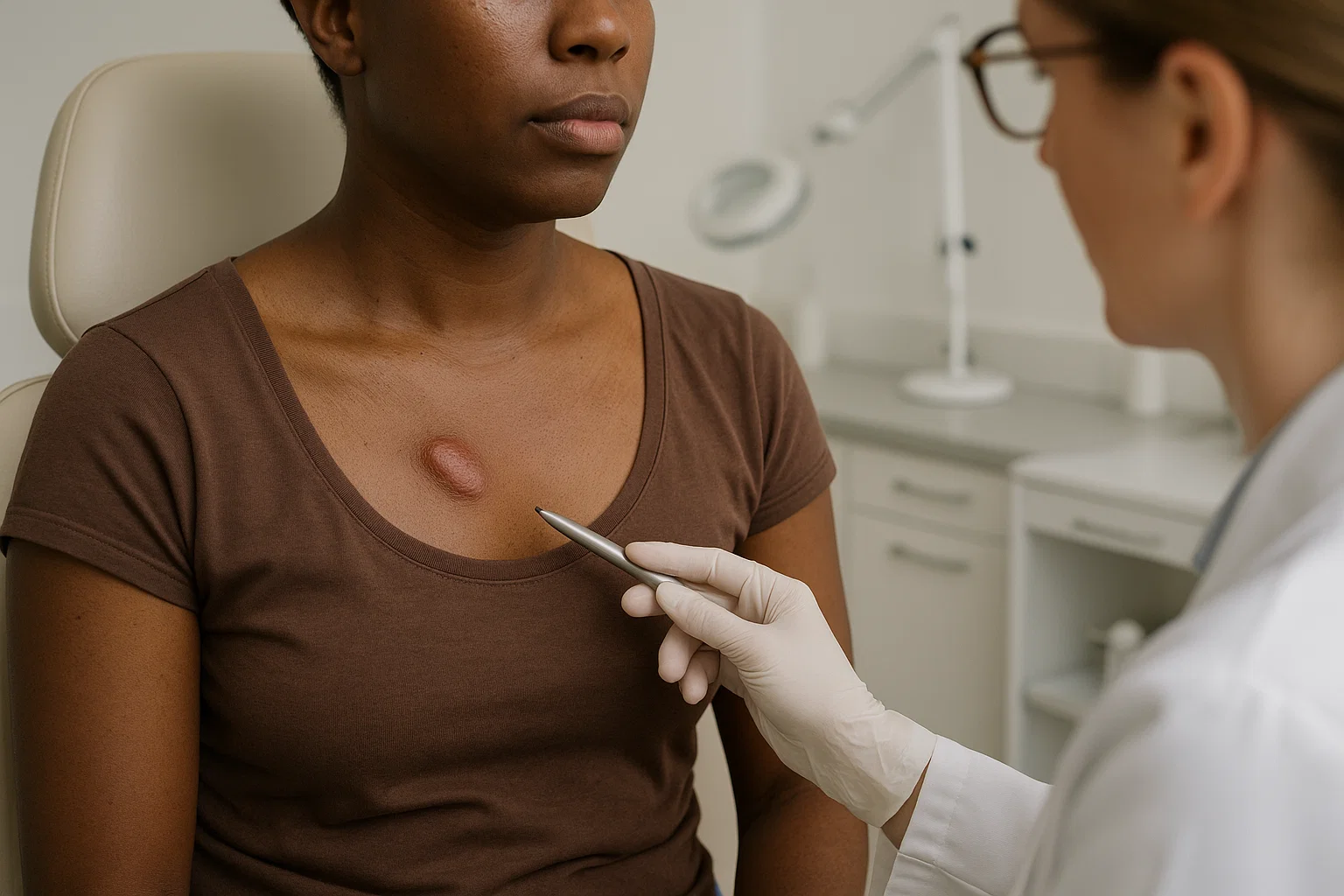
Chest Keloids:
•Avoid excessive chest expansion exercises initially
•Modify push-ups and bench press movements
•Use supportive sports bras for women
•Gradual progression of upper body exercises
•Monitor for increased tension or irritation
•Protect from contact during sports
•Avoid headphones that create pressure
•Use protective headgear when appropriate
•Be cautious with overhead movements
•Monitor for friction from equipment
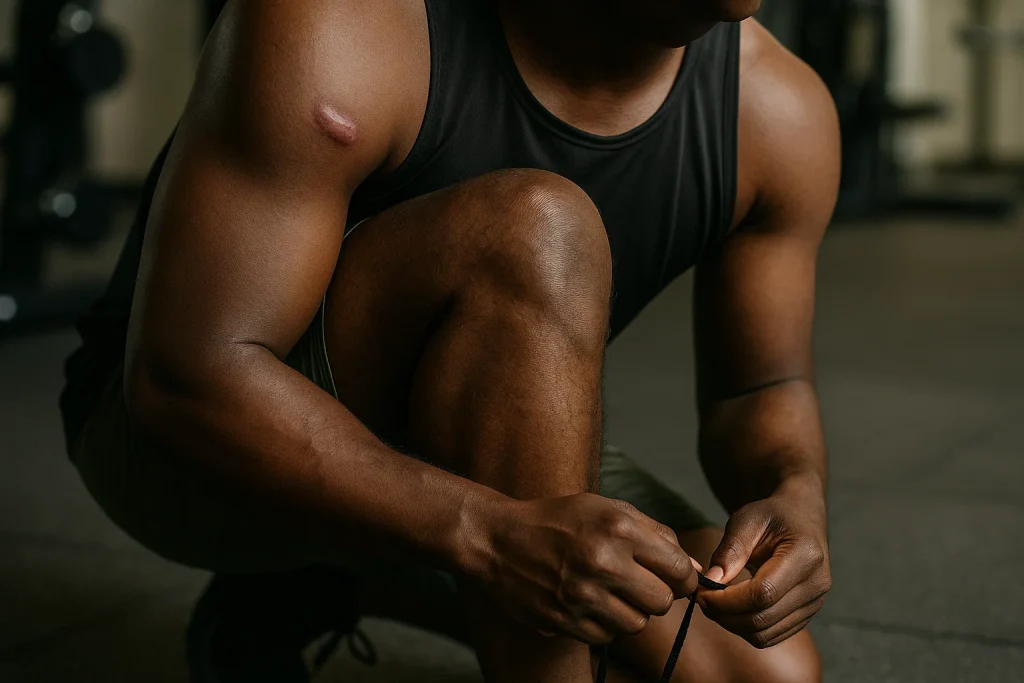
Shoulder Keloids:
•Limit overhead movements initially
•Modify swimming strokes to reduce strain
•Use proper warm-up before shoulder exercises
•Avoid heavy lifting above shoulder level
•Progress gradually with range of motion
Joint Keloids (elbows, knees):
•Maintain mobility with gentle movement
•Avoid high-impact activities initially
•Use protective padding during exercise
•Focus on flexibility and gentle strengthening
•Monitor for stiffness or restriction
Safe Exercise Guidelines by Treatment Phase
During Active Treatment
Exercise Modifications During Steroid Injection Treatment:
Week 1 Post-Injection:
•Avoid strenuous exercise for 48-72 hours
•Light walking and gentle stretching only
•No swimming or water activities
•Avoid excessive sweating activities
•Monitor injection sites for any changes
Week 2-4 Post-Injection:
•Gradual return to moderate activities
•Avoid direct pressure on injection sites
•Low-impact cardio preferred
•Gentle strength training with light weights
•Continue monitoring for side effects
Exercise During 5-FU Treatment:
Treatment Day Restrictions:
•No exercise for 24 hours post-treatment
•Avoid sweating that could affect medication absorption
•Protect treated areas from friction
•Stay hydrated but avoid excessive heat
•Monitor for skin reactions
Between Treatment Sessions:
•Light to moderate exercise generally acceptable
•Avoid activities causing excessive friction
•Protect skin from sun exposure during outdoor activities
•Maintain gentle skincare routine post-exercise
•Report any unusual reactions to treatment team
Post-Treatment Exercise Progression
Graduated Return to Activity:
Phase 1: Initial Recovery (Weeks 1-2)
| Activity Type | Recommended Level | Precautions | Progression Markers |
| Walking | 20-30 minutes, moderate pace | Avoid excessive heat | No increased keloid symptoms |
| Stretching | Gentle, 10-15 minutes | Avoid overstretching treated areas | Improved flexibility |
| Light yoga | Beginner poses, avoid inversions | Modify poses affecting keloids | Increased comfort |
| Swimming | Gentle swimming, avoid diving | Protect treated areas | No skin irritation |
Phase 2: Progressive Activity (Weeks 3-6)
| Activity Type | Recommended Level | Precautions | Progression Markers |
| Cardio | 30-45 minutes, moderate intensity | Monitor heart rate, avoid overheating | Improved endurance |
| Strength training | Light weights, bodyweight exercises | Avoid exercises stressing keloid areas | Increased strength |
| Sports | Low-contact activities | Use protective equipment | No keloid irritation |
| Group fitness | Modified participation | Inform instructor of limitations | Comfortable participation |
Phase 3: Full Activity Return (Weeks 6+)
| Activity Type | Recommended Level | Precautions | Progression Markers |
| High-intensity cardio | Based on fitness level | Gradual intensity increase | No adverse keloid response |
| Weight training | Progressive loading | Proper form, gradual progression | Strength gains without issues |
| Contact sports | With appropriate protection | Risk assessment, protective gear | Safe participation |
| Competitive activities | Based on individual goals | Ongoing monitoring | Performance goals met safely |
Exercise Recommendations by Activity Type
Cardiovascular Exercise
Low-Impact Cardio Options:
Excellent Choices for Keloid Patients:
| Activity | Benefits | Keloid Considerations | Modifications |
| Walking | Low impact, accessible | Minimal keloid stress | Comfortable pace, proper footwear |
| Swimming | Full-body, low impact | Protect from pool chemicals | Rinse immediately after |
| Cycling | Cardiovascular fitness | Avoid pressure on keloids | Proper bike fit, padded clothing |
| Elliptical | Low impact, controlled | Minimal friction risk | Comfortable clothing |
| Water aerobics | Joint-friendly, cooling | Chlorine protection | Post-exercise skin care |
High-Impact Cardio Considerations:
Activities Requiring Caution:
| Activity | Potential Issues | Safety Modifications | When to Avoid |
| Running | Friction, bouncing motion | Proper clothing, gradual progression | Active treatment periods |
| HIIT workouts | Intense movements, sweating | Modified intensity, frequent breaks | First 2 weeks post-treatment |
| Dance fitness | Rapid movements, contact | Protective clothing, space awareness | Ear keloid patients |
| Boxing/martial arts | Contact risk, intense sweating | Protective gear, modified participation | Until fully healed |
Strength Training
Safe Strength Training Protocols:
Upper Body Training with Keloids:
| Exercise Category | Recommended Exercises | Modifications | Exercises to Avoid Initially |
| Chest | Incline press, light flyes | Reduced range of motion | Heavy bench press, dips |
| Shoulders | Lateral raises, front raises | Light weights, controlled motion | Heavy overhead press |
| Arms | Bicep curls, tricep extensions | Avoid excessive stretching | Heavy compound movements |
| Back | Lat pulldowns, seated rows | Proper posture, light weights | Heavy deadlifts initially |
Lower Body Training Considerations:
| Exercise Category | Recommended Exercises | Modifications | Special Considerations |
| Legs | Squats, lunges, leg press | Bodyweight to light weights | Avoid if keloids on thighs |
| Glutes | Bridges, clamshells | Controlled movements | Monitor for hip keloids |
| Calves | Calf raises, walking | Light resistance | Generally safe for most |
| Core | Planks, modified crunches | Avoid excessive abdominal tension | Protect chest/abdomen keloids |
Progressive Loading Protocol:
Strength Training Progression:
| Week | Intensity | Volume | Focus |
| 1-2 | 40-50% 1RM | 1-2 sets, 12-15 reps | Movement patterns, form |
| 3-4 | 50-60% 1RM | 2-3 sets, 10-12 reps | Strength endurance |
| 5-8 | 60-70% 1RM | 3 sets, 8-10 reps | Strength building |
| 8+ | 70%+ 1RM | 3-4 sets, 6-8 reps | Progressive overload |
Flexibility and Mobility
Keloid-Friendly Stretching:
Beneficial Stretching Techniques:
| Stretch Type | Benefits for Keloids | Technique | Frequency |
| Gentle static stretching | Maintains tissue flexibility | Hold 15-30 seconds | Daily |
| Dynamic warm-up | Prepares tissue for activity | Controlled movements | Before exercise |
| Myofascial release | Improves tissue quality | Light pressure, avoid direct keloid contact | 2-3 times weekly |
| Range of motion exercises | Prevents stiffness | Full, pain-free range | Daily |
Yoga and Pilates Modifications:
Safe Practice Guidelines:
| Practice Element | Modifications | Benefits | Precautions |
| Poses | Avoid extreme stretching of keloid areas | Flexibility, stress reduction | Listen to body signals |
| Breathing | Focus on relaxation techniques | Stress management | Avoid breath-holding |
| Flow sequences | Modify transitions | Improved mobility | Avoid rapid movements |
| Props | Use blocks, straps for support | Safer positioning | Avoid pressure on keloids |
Sport-Specific Guidelines
Contact Sports
Risk Assessment for Contact Sports:
Sport Risk Categories:
| Risk Level | Sports | Primary Concerns | Participation Guidelines |
| High Risk | Rugby, boxing, martial arts | Direct trauma, keloid damage | Avoid during active treatment |
| Moderate Risk | Football, basketball, hockey | Incidental contact | Protective equipment essential |
| Low Risk | Tennis, badminton, volleyball | Minimal contact | Generally safe with precautions |
| Minimal Risk | Golf, track and field, cycling | Limited contact potential | Safe with proper technique |
Protective Equipment Recommendations:
Sport-Specific Protection:
| Sport | Recommended Protection | Keloid-Specific Considerations |
| Football | Padded clothing, helmet | Extra padding over keloid areas |
| Basketball | Compression garments | Moisture-wicking materials |
| Tennis | Appropriate clothing | Avoid tight straps over keloids |
| Swimming | Protective swimwear | Chlorine-resistant materials |
| Cycling | Padded shorts, proper fit | Avoid pressure points |
Water Sports
Swimming and Aquatic Exercise:
Water Activity Benefits:
•Buoyancy reduces joint stress and keloid tension
•Hydrostatic pressure may improve circulation
•Temperature regulation helps manage inflammation
•Low-impact environment ideal for rehabilitation
•Full-body exercise without excessive keloid stress
Pool Safety for Keloid Patients:
| Consideration | Recommendation | Reason |
| Pool chemicals | Rinse immediately after swimming | Prevent skin irritation |
| Water temperature | Moderate temperature preferred | Avoid extreme heat/cold |
| Swimming technique | Modify strokes if needed | Reduce keloid area stress |
| Pool hygiene | Choose well-maintained facilities | Reduce infection risk |
| Post-swim care | Gentle cleansing, moisturising | Maintain skin health |
Gym and Fitness Classes
Gym Equipment Considerations:
Equipment Safety Guidelines:
| Equipment Type | Safety Considerations | Keloid-Specific Tips |
| Cardio machines | Proper settings, gradual progression | Comfortable clothing, avoid friction |
| Weight machines | Correct positioning, appropriate resistance | Padding for keloid protection |
| Free weights | Proper form, spotter when needed | Avoid dropping weights near keloids |
| Mats and props | Clean equipment, personal mats preferred | Hygiene considerations |
Group Fitness Class Modifications:
Class Type Adaptations:
| Class Type | Modifications | Benefits | Precautions |
| Aerobics | Lower impact variations | Cardiovascular fitness | Avoid high-impact moves |
| Spin classes | Proper bike setup | Intense cardio workout | Padded shorts, proper position |
| Boot camp | Modified exercises | Varied workout | Avoid military-style movements |
| Dance fitness | Gentle movements | Fun, social exercise | Protect keloid areas |
Exercise Environment Considerations
Indoor vs Outdoor Exercise
Indoor Exercise Benefits:
Controlled Environment Advantages:
•Temperature control prevents overheating
•Reduced UV exposure protecting treated skin
•Clean facilities minimising infection risk
•Equipment availability for modifications
•Professional supervision when needed
Outdoor Exercise Considerations:
Outdoor Activity Guidelines:
| Environmental Factor | Considerations | Protective Measures |
| Sun exposure | UV can worsen keloid appearance | SPF 30+ sunscreen, protective clothing |
| Temperature | Heat can increase inflammation | Exercise during cooler times |
| Air quality | Pollution may affect healing | Check air quality, avoid high pollution days |
| Terrain | Uneven surfaces increase injury risk | Choose safe, appropriate locations |
| Weather | Extreme conditions affect comfort | Plan alternative indoor activities |
Seasonal Exercise Planning
London-Specific Seasonal Considerations:
Seasonal Exercise Adaptations:
| Season | Optimal Activities | Keloid Considerations | Special Precautions |
| Spring | Outdoor walking, cycling | Moderate temperatures ideal | Pollen allergies, variable weather |
| Summer | Swimming, early morning exercise | Heat management crucial | Sun protection, hydration |
| Autumn | Hiking, outdoor sports | Comfortable temperatures | Weather variability |
| Winter | Indoor activities, gym workouts | Dry air affects skin | Extra moisturising, vitamin D |
Nutrition and Hydration for Active Keloid Patients
Exercise Nutrition Guidelines
Pre-Exercise Nutrition:
Optimal Pre-Workout Nutrition:
| Timing | Recommended Foods | Benefits | Keloid-Specific Considerations |
| 2-3 hours before | Balanced meal with carbs, protein | Sustained energy | Anti-inflammatory foods preferred |
| 30-60 minutes before | Light snack, easily digestible | Quick energy | Avoid foods that may cause inflammation |
| Immediately before | Small amount of simple carbs | Immediate fuel | Hydration focus |
Post-Exercise Recovery Nutrition:
Recovery Nutrition Protocol:
| Timing | Nutritional Focus | Recommended Foods | Healing Benefits |
| Within 30 minutes | Protein and carbs | Protein shake, banana | Muscle recovery, glycogen replenishment |
| 1-2 hours after | Complete meal | Lean protein, vegetables, whole grains | Comprehensive recovery support |
| Throughout day | Anti-inflammatory foods | Omega-3 rich foods, antioxidants | Keloid healing support |
Hydration Strategies
Exercise Hydration Guidelines:
Hydration Protocol for Keloid Patients:
| Exercise Duration | Hydration Strategy | Additional Considerations |
| <1 hour | Water before, during, after | Monitor urine colour |
| 1-2 hours | Water + electrolytes if sweating heavily | Replace sodium losses |
| >2 hours | Sports drinks or electrolyte replacement | Prevent dehydration complications |
Signs of Proper Hydration:
•✅ Pale yellow urine indicating adequate hydration
•✅ Minimal thirst during and after exercise
•✅ Good skin elasticity supporting healing
•✅ Stable energy levels throughout activity
•✅ Normal recovery post-exercise
Managing Exercise-Related Keloid Symptoms
Recognising Exercise-Induced Issues
Warning Signs During Exercise:
Immediate Concerns:
| Symptom | Possible Cause | Immediate Action | Follow-Up Required |
| Increased keloid pain | Excessive stress on tissue | Stop activity, rest | Assess exercise modifications |
| Keloid swelling | Inflammation response | Apply ice, elevate if possible | Monitor for 24-48 hours |
| Skin irritation | Friction or allergic reaction | Clean area, remove irritant | Review clothing/equipment |
| Excessive fatigue | Overexertion | Rest, hydrate | Adjust exercise intensity |
| Breathing difficulties | Overexertion or allergic reaction | Stop exercise, seek help if severe | Medical evaluation if persistent |
Post-Exercise Monitoring:
24-48 Hour Assessment:
•Keloid appearance – Check for changes in size, colour, or texture
•Symptom levels – Monitor pain, itching, or discomfort
•Skin condition – Look for irritation, rashes, or breakdown
•Overall recovery – Assess energy levels and general wellbeing
•Sleep quality – Note any disruption to rest patterns
Exercise Modification Strategies
Progressive Modification Approach:
Modification Hierarchy:
| Level | Modification Type | Examples | When to Use |
| Level 1 | Intensity reduction | Lower weights, slower pace | Mild keloid irritation |
| Level 2 | Duration adjustment | Shorter sessions, more rest | Moderate symptoms |
| Level 3 | Activity substitution | Different exercise type | Persistent issues |
| Level 4 | Temporary cessation | Complete rest period | Significant problems |
Alternative Exercise Options:
Low-Stress Alternatives:
| Primary Activity | Alternative Options | Benefits | Transition Strategy |
| Running | Walking, swimming, cycling | Reduced impact | Gradual pace increase |
| Weight lifting | Resistance bands, bodyweight | Controlled resistance | Progressive loading |
| Contact sports | Individual sports, fitness classes | Reduced trauma risk | Skill development focus |
| High-intensity training | Moderate intensity, longer duration | Sustainable approach | Heart rate monitoring |
Building Your Personal Exercise Plan
Assessment and Goal Setting
Personal Fitness Assessment:
Comprehensive Evaluation Areas:
| Assessment Component | Evaluation Method | Keloid Considerations |
| Current fitness level | Baseline testing | Avoid stressing keloid areas |
| Keloid characteristics | Clinical assessment | Location, size, symptoms |
| Treatment status | Medical review | Current treatments, restrictions |
| Personal goals | Goal-setting session | Realistic, achievable targets |
| Available time | Schedule analysis | Sustainable routine development |
SMART Goal Framework for Keloid Patients:
Goal Setting Guidelines:
| SMART Component | Keloid-Specific Application | Example |
| Specific | Clear, keloid-aware objectives | “Swim 30 minutes, 3x/week without keloid irritation” |
| Measurable | Quantifiable progress markers | “Increase walking distance by 10% weekly” |
| Achievable | Realistic given keloid limitations | “Complete modified yoga class twice weekly” |
| Relevant | Aligned with health and keloid management | “Improve flexibility to reduce keloid stiffness” |
| Time-bound | Clear timeline for achievement | “Achieve goals within 12 weeks” |
Creating Your Weekly Exercise Schedule
Sample Weekly Plans:
Beginner Plan (Weeks 1-4):
| Day | Activity | Duration | Intensity | Keloid Focus |
| Monday | Walking | 20 minutes | Light | Gentle movement |
| Tuesday | Stretching/Yoga | 15 minutes | Light | Flexibility |
| Wednesday | Swimming | 20 minutes | Light-Moderate | Low impact |
| Thursday | Rest or gentle walking | 15 minutes | Light | Recovery |
| Friday | Strength training | 20 minutes | Light | Bodyweight exercises |
| Saturday | Activity of choice | 30 minutes | Light-Moderate | Enjoyment focus |
| Sunday | Rest | – | – | Complete recovery |
Intermediate Plan (Weeks 5-12):
| Day | Activity | Duration | Intensity | Keloid Focus |
| Monday | Cardio (choice) | 30 minutes | Moderate | Endurance building |
| Tuesday | Strength training | 30 minutes | Moderate | Progressive loading |
| Wednesday | Yoga/Pilates | 30 minutes | Light-Moderate | Flexibility, core |
| Thursday | Cardio (different) | 25 minutes | Moderate | Variety |
| Friday | Strength training | 35 minutes | Moderate | Full body |
| Saturday | Recreational activity | 45 minutes | Moderate | Fun, social |
| Sunday | Active recovery | 20 minutes | Light | Gentle movement |
Professional Support Integration
Working with Fitness Professionals:
Trainer Selection Criteria:
•Experience with medical conditions and physical limitations
•Understanding of keloid considerations and treatment impacts
•Certification in adaptive fitness or medical exercise
•Communication skills for ongoing collaboration
•Flexibility in program modification
Coordination with Medical Team:
Integrated Care Approach:
•Regular communication between fitness and medical teams
•Progress updates shared with keloid specialists
•Exercise modifications based on treatment progress
•Safety protocols for emergency situations
•Long-term planning aligned with treatment goals
Frequently Asked Questions (FAQs)
General Exercise Questions
Q: Can exercise make my keloids worse?
A: When done appropriately, exercise typically improves keloid outcomes by enhancing circulation and reducing stress. However, excessive friction, trauma, or overexertion can potentially worsen keloids. Following proper guidelines and modifications prevents problems while maintaining fitness benefits.
Q: How soon after keloid treatment can I return to exercise?
A: This depends on your specific treatment. After steroid injections, light activity can usually resume within 48-72 hours. More intensive treatments may require 1-2 weeks before returning to exercise. Always follow your specific post-treatment instructions.
Q: Should I avoid sweating if I have keloids?
A: Moderate sweating during exercise is generally fine and can be beneficial. However, excessive sweating that leads to skin irritation should be avoided. Proper hygiene, moisture-wicking clothing, and post-exercise skin care help manage sweating safely.
Q: Can I swim in chlorinated pools with keloids?
A: Yes, swimming is excellent exercise for keloid patients. Chlorinated pools are generally safe, but rinse immediately after swimming and apply moisturiser to prevent skin dryness and irritation. Well-maintained pools with proper chemical balance are preferred.
Treatment-Specific Exercise Questions
Q: Can I exercise during 5-FU treatment?
A: Light exercise is usually acceptable between 5-FU treatment sessions, but avoid exercise for 24 hours after each treatment to allow medication absorption. Avoid activities causing excessive friction or sweating that might affect treatment effectiveness.
Q: Will weight lifting make my keloids bigger?
A: Proper weight lifting with appropriate progression typically doesn’t worsen keloids and may improve circulation. However, avoid exercises that put excessive stress on keloid areas, use proper form, and progress gradually. Heavy lifting should be avoided during active treatment periods.
Q: Can yoga help with keloid flexibility?
A: Yes, gentle yoga can improve flexibility and reduce keloid stiffness. Modify poses to avoid overstretching keloid areas, use props for support, and focus on breathing and relaxation. Avoid extreme poses or rapid movements that might stress keloid tissue.
Q: Is it safe to exercise outdoors with keloids?
A: Outdoor exercise can be safe with proper precautions. Use SPF 30+ sunscreen on keloid areas, exercise during cooler times of day, wear protective clothing, and stay hydrated. Indoor alternatives are recommended during extreme weather or high pollution days.
Practical Exercise Questions
Q: What clothing should I wear when exercising with keloids?
A: Choose moisture-wicking, breathable fabrics that don’t create friction over keloid areas. Avoid tight clothing that rubs against keloids. Seamless or flat-seam garments reduce irritation. For chest keloids, women should use supportive, well-fitting sports bras.
Q: How do I know if I’m exercising too intensely?
A: Monitor for increased keloid symptoms (pain, swelling, irritation), excessive fatigue, or delayed recovery. Use the “talk test” – you should be able to hold a conversation during moderate exercise. Start conservatively and progress gradually based on your response.
Q: Can I participate in team sports with keloids?
A: Many team sports are possible with modifications and protective equipment. Low-contact sports like volleyball or tennis are generally safer than high-contact sports like rugby. Discuss with your team and coach about necessary modifications and protective measures.
Q: What should I do if my keloid becomes irritated during exercise?
A: Stop the activity immediately, gently clean the area, apply a cool compress if swollen, and monitor for 24-48 hours. If irritation persists or worsens, contact your keloid specialist. Modify or avoid the triggering activity until the issue resolves.
Long-Term Exercise Questions
Q: Will I always need to modify my exercise routine?
A: Many patients can return to their preferred activities with minimal or no modifications once keloids are successfully treated and stabilised. However, some permanent modifications may be wise to prevent recurrence, especially for high-risk activities.
Q: Can exercise help prevent new keloids from forming?
A: Regular exercise supports overall health and healing, which may help prevent keloid formation. However, exercise itself doesn’t directly prevent keloids. Proper wound care, avoiding trauma, and following prevention protocols are more important for prevention.
Q: How do I maintain motivation when exercise is limited?
A: Focus on what you can do rather than limitations, set achievable goals, find enjoyable activities, exercise with friends or groups, track progress, and remember that modifications are often temporary. Consider working with a fitness professional experienced in adaptive exercise.
Q: Should I inform my gym or fitness instructor about my keloids?
A: Yes, informing fitness professionals about your keloids helps them provide appropriate modifications and support. Most professionals are experienced with various medical conditions and can adapt programs safely. This also ensures proper emergency response if needed.
Conclusion: Embracing an Active Lifestyle with Keloids
Having keloids doesn’t mean sacrificing your fitness goals or active lifestyle. With proper planning, appropriate modifications, and professional guidance, you can maintain and even improve your fitness while supporting your keloid treatment and management.
Key Success Strategies:
•✅ Start gradually and progress based on your response
•✅ Listen to your body and modify activities as needed
•✅ Prioritise proper form over intensity or duration
•✅ Maintain consistency with sustainable routines
•✅ Seek professional guidance when needed
Your Active Lifestyle Support Team
London Keloid Scar Clinic supports your active lifestyle through:
•Exercise guidelines specific to your keloid type and treatment
•Activity modifications based on treatment progress
•Professional coordination with fitness trainers and physiotherapists
•Ongoing monitoring to ensure safe activity participation
•Long-term planning for sustained active living
Ready to Optimise Your Exercise Routine?
Consult with Our Specialists to:
•Develop personalised exercise guidelines for your specific situation
•Learn safe modification techniques for your favourite activities
•Coordinate care with fitness professionals
•Monitor progress and adjust recommendations as needed
Contact Information:
•Website: londonkeloidscarclinic.co.uk
•Book Consultation: Exercise planning and guidance
•Contact Our Team: Questions about exercise and keloids
•Treatment Information: Understanding how treatments affect activity
Don’t let keloids keep you from the activities you love. With the right approach, you can maintain an active, healthy lifestyle while successfully managing your keloids.
Explore Our Active Living Resources:
•Treatment Options – Understanding your treatment journey
•Recovery Guidance – Optimising your healing
•Expert Team – Specialists supporting your active lifestyle
•Patient Success Stories – Real people, real results
This article was written by the clinical team at London Keloid Scar Clinic, July 2025. Information is based on current exercise science and keloid management best practices. Individual exercise tolerance may vary. Consult with qualified medical and fitness professionals for personalised exercise guidance.
Related Articles:
- How to Get Rid of a Keloid Scar from Ingrown Hair
- A Patient’s Journey: From First Enquiry to Long-Term Keloid Management in a London Clinic
- Keloids and Body Image: How Scar Treatment Supports Emotional Wellbeing
- Can Keloid Scars Come Back? Understanding Recurrence and Long-Term Care
- Keloid Treatment and Work Schedules: How London Professionals Fit Care Into a Busy Life