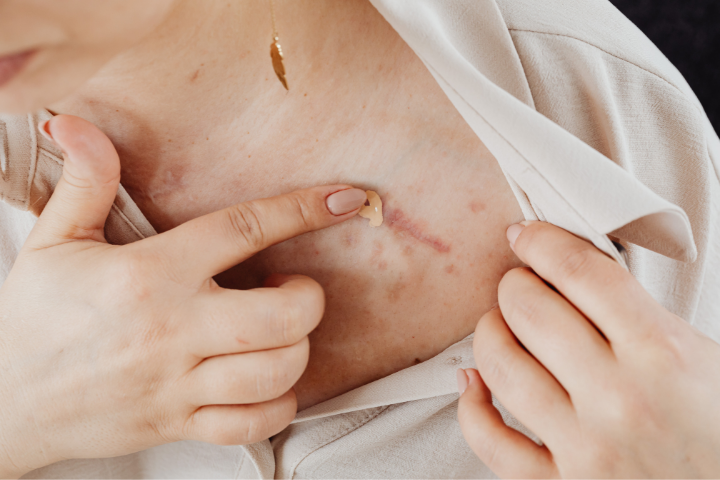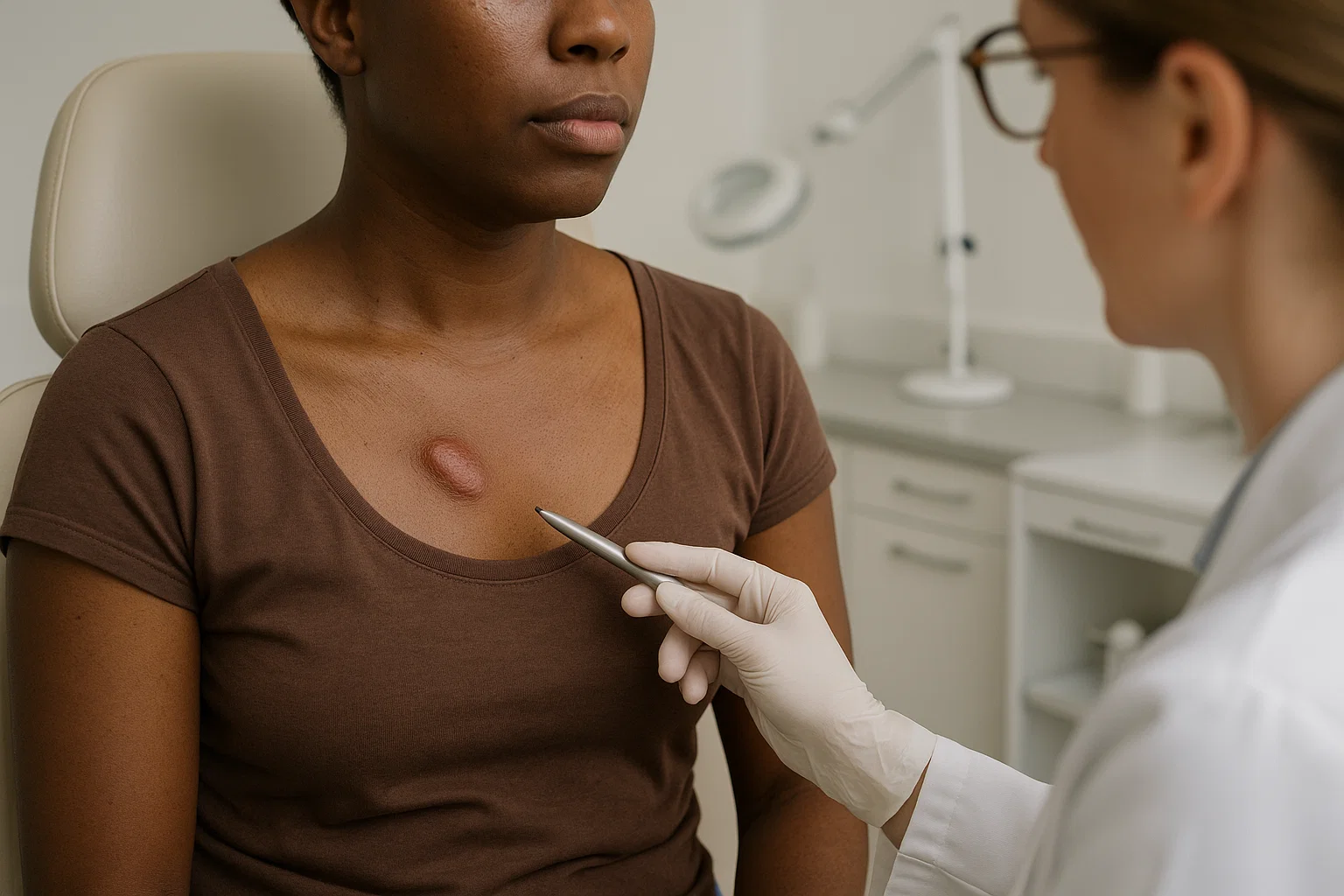
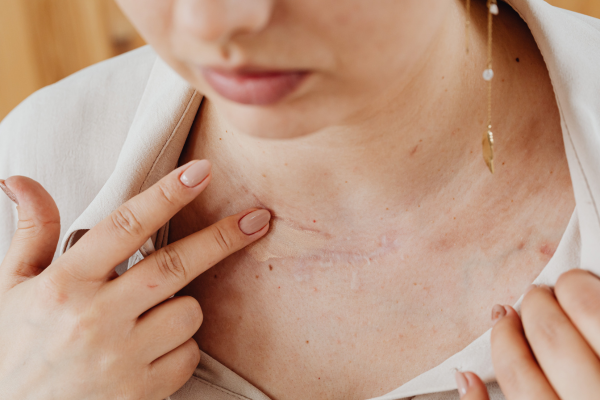
Noticing a new raised scar for the first time can be confusing. Some people choose to wait and see if it will settle on its own, while others start looking for ways to manage it before it becomes more noticeable or uncomfortable. This is where early keloid treatment in London often makes a real difference, especially for scars that are still changing in size, colour, or firmness.
At a specialised London keloid scar clinic, early care usually begins by exploring the full range of keloid treatment options and understanding how the consultation and treatment process is structured. By taking action while the scar is still active, patients can often guide how it develops over time, rather than reacting to a keloid that has already become thick, tight, or difficult to manage.
Why New Keloids Behave Differently
In the early stages, a keloid is still “active,” which means the skin is continuing to produce collagen as part of its healing response. This is the phase where the scar may feel firm, look red or darker than the surrounding skin, and slowly expand beyond the original wound. Because the process is still ongoing, it is often more responsive to scar treatment approaches that focus on calming inflammation and guiding how the tissue develops.
For example, someone who has recently had a piercing or a minor surgical wound might notice a small, raised area forming along the healing line. At first, it may look like a normal thick scar. Over the next few weeks, however, it can begin to grow outward, becoming tighter and more noticeable. When treatment starts at this point, the goal is to slow down that overactive healing process before the keloid becomes dense and harder to manage.
This early phase is also when symptoms such as itching, sensitivity, or mild discomfort tend to appear. Addressing these signs through structured care can make the scar more comfortable in the short term while also shaping better long-term cosmetic results.
Signs a Scar Is Becoming a Keloid
1. The Scar Continues to Grow Beyond the Original Wound
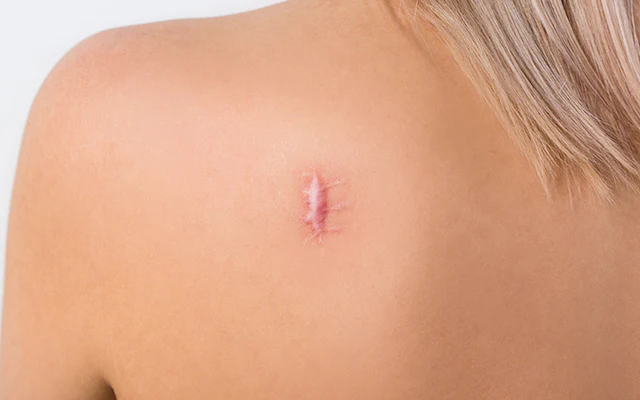
A normal scar usually stays within the boundaries of the cut, piercing, or surgical line. When a raised area starts spreading past those edges and becomes wider over time, it can be an early sign that the scar is developing into a keloid.
2. Increasing Firmness or Tightness
Many people notice that the scar feels harder or more rubbery as weeks go by. This change often comes from excess collagen building up inside the tissue, which can also create a sensation of tightness in the surrounding skin.
3. Changes in Colour or Redness
A keloid may appear red, pink, or darker than the surrounding area, especially in its early phase. These colour changes are linked to increased blood flow and ongoing inflammation within the scar.
4. Itching, Sensitivity, or Mild Discomfort
Persistent itching or tenderness is another common signal. While some itching can be part of normal healing, ongoing irritation that does not settle over time may indicate that the scar is becoming more active.
How Early Treatment Can Change Long-Term Outcomes
Starting treatment while a keloid is still developing can influence how the scar behaves months or even years later. At this stage, the tissue is more flexible and responsive, which makes it easier to guide the healing process rather than trying to correct a scar that has already become thick and firmly established.
Early care often focuses on calming the overactive response that drives excess collagen production. When this process is slowed down sooner, the scar may be more likely to remain flatter and softer over time. Patients also tend to experience less ongoing discomfort, such as tightness or itching, which can improve everyday comfort as the area continues to heal.
Another long-term benefit is the potential to reduce how noticeable the scar becomes. By addressing redness, firmness, and growth early, treatment plans can support more even texture and colour, making the keloid blend more naturally with the surrounding skin. For many patients, this gradual improvement feels more manageable than trying to reverse changes after the scar has already matured.
Common Early-Stage Treatment Timeline in London Clinics
1. First Phase: Calming the Active Scar Response
In the first few weeks after a raised scar appears, the main focus is usually on settling the skin’s overactive healing process. During this phase, clinicians often start with targeted steroid injections to reduce internal inflammation and ease symptoms such as tightness or itching. The goal is not to change how the scar looks overnight, but to slow down the biological signals that drive further growth.
2. Second Phase: Guiding Collagen Production
If the scar continues to feel firm or shows signs of thickening, the next step may involve introducing combination therapy, such as adding 5-Fluorouracil. This stage focuses on influencing how collagen is being produced inside the tissue, helping the scar become softer and more controlled as it develops.
3. Third Phase: Supporting Surface Appearance and Comfort
Once the scar’s activity level begins to settle, laser-based treatments can be used to address surface concerns like redness and uneven texture. Technologies such as pulsed dye or Vbeam® laser systems are often introduced at this point to help the scar blend more naturally with the surrounding skin while maintaining comfort during ongoing care.
What to Expect From an Early Intervention Plan
An early intervention plan usually begins with a close look at how the scar is behaving rather than just how it looks. During the first visit, clinicians often assess the scar’s size, firmness, colour, and how quickly it has changed since it first appeared. This helps set a baseline, so progress can be measured more clearly over time.
From there, a short-term treatment schedule is typically outlined, focusing on the first few weeks or months rather than a long, open-ended plan. Patients may be advised to return at regular intervals, allowing small adjustments to be made based on how the scar responds to each session. This step-by-step approach keeps the focus on guiding the scar’s development rather than reacting to later complications.
Follow-up appointments play a key role in early care. These visits are used to check for signs that the scar is settling, such as reduced redness or softness in the tissue, as well as early warnings that it may still be active. By tracking these changes closely, the treatment plan can stay flexible and responsive, helping patients feel more confident about the direction their scar is taking.
Summary
Managing a keloid early can shape how the scar looks and feels for years to come. By paying attention to the first signs of active growth and following a structured treatment timeline, patients often find it easier to keep the scar softer, flatter, and more comfortable over time. Rather than waiting for a keloid to become thick or difficult to manage, early care focuses on guiding the healing process while the skin is still responsive.
For those who are unsure about the next step, learning more about the full range of treatment pathways and how a personalised care plan is created can make the process feel far less overwhelming. A one-to-one assessment allows each scar to be reviewed in detail, helping patients understand which early-stage options may suit their skin, lifestyle, and long-term goals.
If you would like to explore how early management fits into a wider approach to preventing keloid recurrence and ongoing scar care, visiting the clinic’s treatment overview can be a helpful place to start.