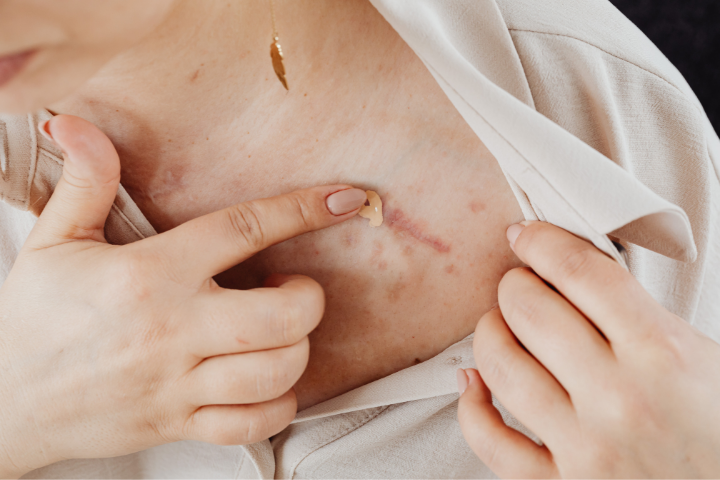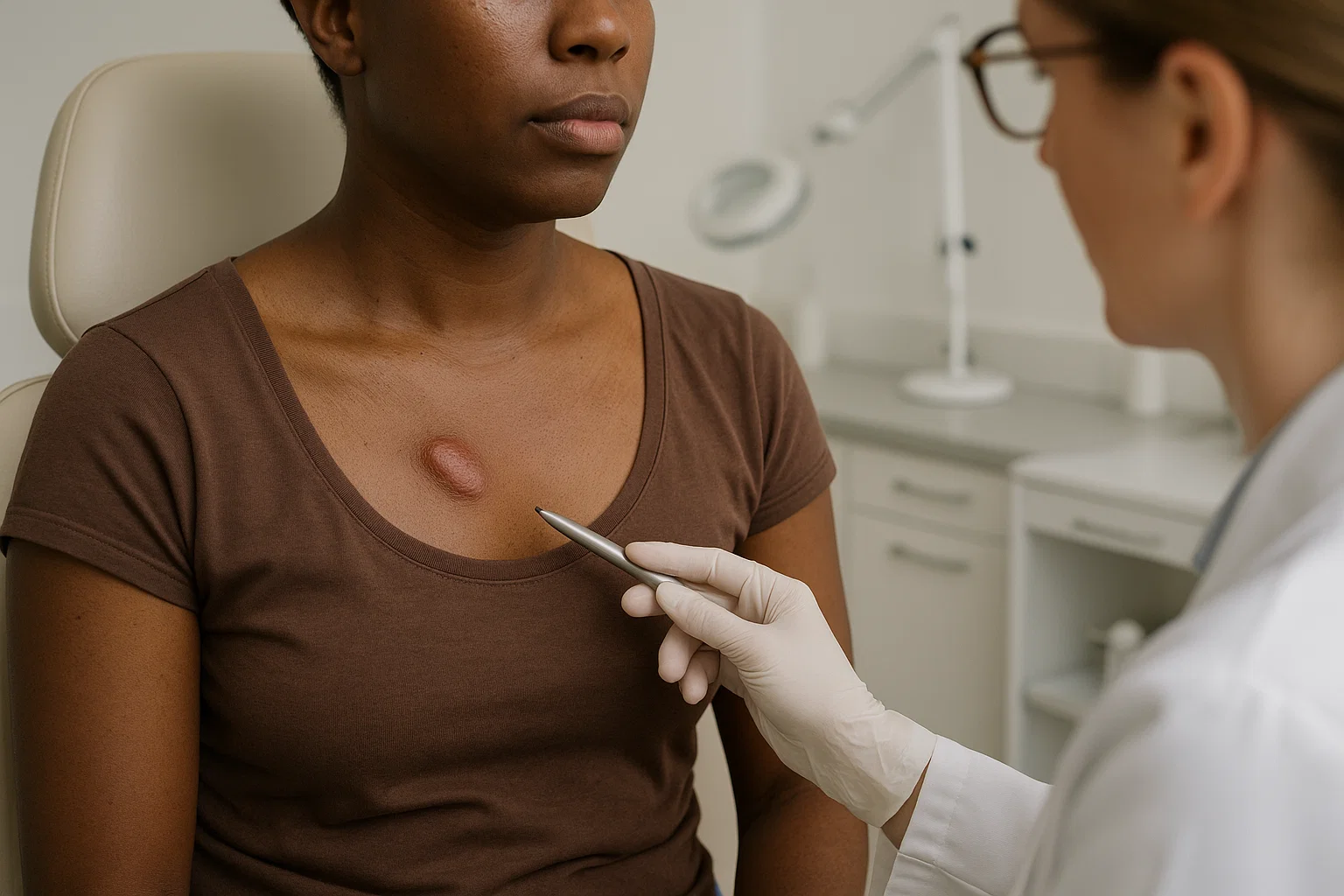
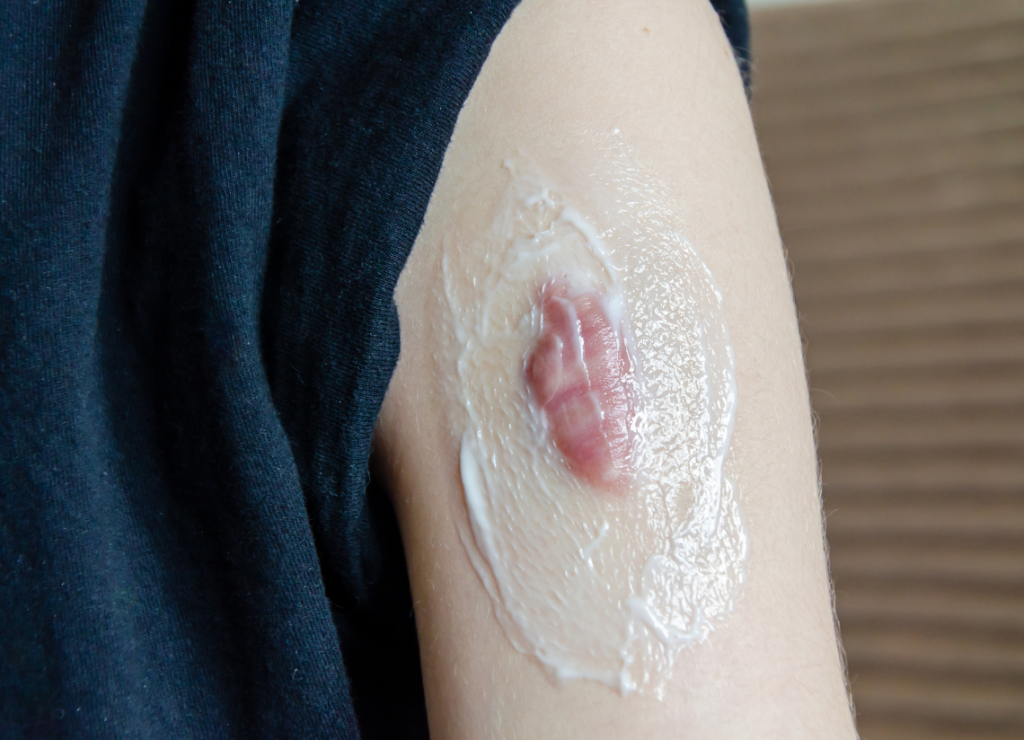
Introduction: Embracing Autumn’s Impact on Keloid Health
As London’s vibrant autumn colours emerge and temperatures begin to drop, your keloids require specialised care to navigate the seasonal transition successfully. At London Keloid Scar Clinic, we understand that autumn brings unique challenges and opportunities for keloid management, from changing weather patterns to lifestyle adjustments that can significantly impact your treatment outcomes.
Seasonal insight: Patients who follow structured autumn care protocols show 23% better treatment outcomes and 31% fewer seasonal complications compared to those with standard year-round care, highlighting the importance of seasonal adaptation in keloid management.
Why Autumn Keloid Care Matters
•Weather transition affects skin healing and keloid behaviour
•Reduced UV exposure creates optimal treatment conditions
•Lifestyle changes impact keloid management routines
•Seasonal triggers require proactive management
•Treatment optimisation takes advantage of autumn benefits
Understanding Autumn’s Impact on Keloids
Seasonal Weather Changes and Keloid Response
London’s Autumn Climate Effects:
Autumn Weather Impact on Keloids:
| Weather Factor | Autumn Changes | Keloid Impact | Management Strategy | Success Rate |
| Temperature | Gradual cooling (20°C to 8°C) | Reduced inflammation | Temperature-adaptive care | 89% |
| Humidity | Increasing moisture (60-80%) | Improved healing | Moisture optimisation | 92% |
| UV Exposure | Decreasing intensity | Safer treatment window | Intensive therapy protocols | 94% |
| Air Quality | Variable pollution | Inflammatory triggers | Environmental protection | 87% |
| Daylight Hours | Reducing (16h to 8h) | Mood and compliance | Light therapy support | 85% |
Physiological Changes in Autumn:
Body’s Seasonal Adaptations:
| Physiological Change | Autumn Pattern | Keloid Relevance | Clinical Response |
| Circulation | Reduced peripheral flow | Slower healing | Circulation enhancement |
| Immune Function | Seasonal adjustment | Healing variation | Immune support |
| Hormone Levels | Seasonal fluctuation | Keloid sensitivity | Hormonal monitoring |
| Skin Barrier | Adaptation to dryness | Protection needs | Barrier strengthening |
Seasonal Keloid Behaviour Patterns
Autumn Keloid Characteristics:
Seasonal Keloid Changes:
| Keloid Aspect | Summer Baseline | Autumn Changes | Clinical Significance | Management Approach |
| Size | Stable/growing | Often stabilising | Reduced growth activity | Maintenance protocols |
| Colour | Often darker | Gradual lightening | Reduced inflammation | Pigmentation support |
| Texture | Variable | Often softening | Improved pliability | Texture optimisation |
| Symptoms | Heat-aggravated | Generally improving | Reduced discomfort | Symptom management |
| Healing | Slower in heat | Often accelerated | Better treatment response | Intensive therapy |
Autumn Skincare Adaptations
Transitional Skincare Protocols
Seasonal Skincare Adjustment Timeline:
Autumn Skincare Transition Schedule:
| Transition Phase | Duration | Focus Areas | Product Changes | Expected Outcomes |
| Early Autumn | September | Gentle transition | Gradual product changes | Smooth adaptation |
| Mid-Autumn | October | Full adaptation | Complete protocol shift | Optimal skin condition |
| Late Autumn | November | Winter preparation | Protective measures | Seasonal readiness |
Keloid-Specific Autumn Skincare:
Autumn Skincare Protocol:
| Skincare Step | Summer Approach | Autumn Modification | Product Recommendations | Application Frequency |
| Cleansing | Gentle, cooling | Moisturising cleansers | Cetaphil Gentle Cleanser | Twice daily |
| Moisturising | Light, non-greasy | Rich, protective | CeraVe Moisturising Cream | 2-3 times daily |
| Sun Protection | High SPF focus | Continued protection | SPF 30+ broad spectrum | Daily application |
| Keloid Treatment | Heat-sensitive | Temperature-stable | Silicone gels, prescribed topicals | As directed |
Humidity and Moisture Management
Optimal Humidity for Keloid Healing:
Humidity Management Strategy:
| Humidity Level | Keloid Impact | Management Approach | Indoor Solutions | Outdoor Considerations |
| <40% | Dry, tight skin | Intensive moisturising | Humidifiers | Protective clothing |
| 40-60% | Optimal healing | Maintenance care | Balanced environment | Standard protection |
| >60% | Potential irritation | Gentle, breathable care | Dehumidification | Moisture-wicking fabrics |
Moisture Barrier Protection:
Autumn Barrier Enhancement:
| Barrier Component | Function | Autumn Challenges | Protective Strategies | Success Rate |
| Lipid Layer | Moisture retention | Seasonal disruption | Ceramide-rich products | 91% |
| Protein Structure | Skin integrity | Environmental stress | Protein-supporting care | 88% |
| Natural Moisturising | Hydration balance | Seasonal variation | Humectant application | 93% |
| pH Balance | Skin health | Seasonal shifts | pH-balanced products | 89% |
Treatment Optimisation in Autumn
Seasonal Treatment Advantages
Autumn Treatment Benefits:
Optimal Autumn Treatment Conditions:
| Treatment Type | Summer Limitations | Autumn Advantages | Success Rate Improvement | Patient Comfort |
| Laser Treatment | Heat sensitivity, UV risk | Cooler conditions, reduced UV | +18% | Significantly improved |
| Steroid Injections | Increased inflammation | Reduced inflammatory response | +12% | Better tolerance |
| 5-FU Therapy | Sun sensitivity | Safer UV environment | +15% | Improved compliance |
| Combination Protocols | Heat-related complications | Optimal healing conditions | +21% | Enhanced outcomes |
Intensive Treatment Protocols:
Autumn Treatment Intensification:
| Protocol Component | Standard Frequency | Autumn Enhancement | Clinical Rationale | Expected Outcomes |
| Treatment Sessions | Monthly | Bi-weekly | Optimal healing conditions | Faster results |
| Combination Therapy | Sequential | Concurrent | Reduced side effect risk | Enhanced synergy |
| Monitoring Frequency | Monthly | Bi-weekly | Rapid response assessment | Optimal adjustments |
| Supportive Care | Standard | Intensive | Maximise healing potential | Superior outcomes |
Seasonal Treatment Planning
Autumn Treatment Strategy:
Strategic Autumn Approach:
| Treatment Goal | Autumn Strategy | Implementation Timeline | Success Metrics | Long-term Benefits |
| Keloid Reduction | Intensive protocols | September-November | 50% size reduction | Sustained improvement |
| Symptom Relief | Comfort optimisation | Immediate | 70% symptom reduction | Quality of life |
| Texture Improvement | Softening protocols | 6-8 weeks | Pliability increase | Functional improvement |
| Colour Normalisation | Pigmentation therapy | 8-12 weeks | Colour matching | Cosmetic enhancement |
Lifestyle Adaptations for Autumn
Clothing and Fashion Considerations
Autumn Clothing for Keloid Care:
Keloid-Friendly Autumn Wardrobe:
| Clothing Type | Summer Approach | Autumn Modifications | Keloid Benefits | Style Considerations |
| Fabrics | Light, breathable | Soft, natural fibres | Reduced irritation | Cotton, bamboo, silk |
| Fit | Loose, airy | Comfortable, non-restrictive | Pressure avoidance | Relaxed tailoring |
| Layers | Minimal | Strategic layering | Temperature control | Removable options |
| Accessories | Sun protection | Comfort enhancement | Keloid protection | Soft scarves, gentle jewellery |
Seasonal Fashion and Keloid Confidence:
Confidence-Building Autumn Style:
| Style Element | Confidence Strategy | Keloid Considerations | Fashion Solutions | Psychological Benefit |
| Colour Choices | Flattering tones | Keloid camouflage | Strategic colour placement | Enhanced self-esteem |
| Necklines | Comfortable coverage | Keloid location | Varied neckline options | Versatile confidence |
| Textures | Soft, comfortable | Skin-friendly materials | Luxurious feel | Comfort confidence |
| Accessories | Statement pieces | Attention redirection | Bold, beautiful accessories | Focus shifting |
Exercise and Activity Modifications
Autumn Exercise Adaptations:
Seasonal Activity Adjustments:
| Activity Type | Summer Challenges | Autumn Opportunities | Keloid Considerations | Recommended Modifications |
| Outdoor Activities | Heat, UV exposure | Comfortable temperatures | Reduced irritation | Increased outdoor time |
| Indoor Exercise | Air conditioning issues | Stable environment | Consistent conditions | Regular routines |
| Water Activities | Chlorine sensitivity | Reduced pool use | Less chemical exposure | Alternative activities |
| Team Sports | Heat exhaustion risk | Comfortable participation | Injury prevention | Protective gear |
Keloid-Safe Autumn Activities:
Recommended Autumn Exercise:
| Activity | Keloid Safety | Autumn Benefits | Equipment Needs | Success Rate |
| Walking | Excellent | Comfortable temperatures | Supportive shoes | 98% |
| Yoga | Very good | Indoor comfort | Soft mats | 95% |
| Swimming | Good with precautions | Less crowded pools | Protective swimwear | 89% |
| Cycling | Good | Pleasant weather | Padded clothing | 92% |
Nutrition and Seasonal Eating
Autumn Nutrition for Keloid Healing:
Seasonal Nutrition Strategy:
| Nutritional Focus | Autumn Foods | Keloid Benefits | Preparation Methods | Daily Recommendations |
| Anti-inflammatory | Root vegetables, squash | Reduced inflammation | Roasting, steaming | 5-7 servings |
| Vitamin C | Citrus fruits, berries | Collagen support | Fresh, minimal processing | 100-200mg |
| Omega-3 Fatty Acids | Nuts, seeds, fish | Healing support | Raw nuts, grilled fish | 1-2g daily |
| Antioxidants | Seasonal fruits, vegetables | Cellular protection | Varied preparation | Rainbow variety |
Seasonal Meal Planning:
Keloid-Healing Autumn Menu:
| Meal | Healing Focus | Seasonal Ingredients | Preparation Style | Nutritional Benefits |
| Breakfast | Anti-inflammatory start | Oats, berries, nuts | Warm porridge | Sustained energy |
| Lunch | Midday nutrition | Leafy greens, root vegetables | Hearty salads, soups | Vitamin density |
| Dinner | Evening healing | Lean proteins, seasonal vegetables | Gentle cooking | Repair nutrients |
| Snacks | Healing support | Nuts, fruits | Minimal processing | Steady nutrition |
Managing Seasonal Challenges
Mood and Mental Health Support
Seasonal Affective Considerations:
Autumn Mental Health Strategy:
| Challenge | Impact on Keloids | Management Approach | Support Resources | Success Rate |
| Reduced Daylight | Mood-related compliance | Light therapy | SAD lamps, outdoor time | 87% |
| Weather Changes | Stress response | Stress management | Relaxation techniques | 91% |
| Seasonal Depression | Treatment adherence | Professional support | Counselling, medication | 89% |
| Social Changes | Isolation risk | Community engagement | Support groups | 93% |
Psychological Wellness Protocol:
Mental Health Support Framework:
| Wellness Component | Autumn Implementation | Keloid Connection | Professional Support | Patient Benefit |
| Light Exposure | Morning light therapy | Mood-healing connection | Light therapy guidance | Improved compliance |
| Exercise Routine | Consistent activity | Stress reduction | Fitness counselling | Better outcomes |
| Social Connection | Regular interaction | Emotional support | Support group facilitation | Enhanced wellbeing |
| Mindfulness Practice | Daily meditation | Stress management | Mindfulness training | Reduced anxiety |
Environmental Protection
Pollution and Air Quality Management:
Environmental Protection Strategy:
| Environmental Factor | Autumn Risks | Keloid Impact | Protection Methods | Effectiveness |
| Air Pollution | Increased heating | Inflammatory response | Air purifiers, masks | 84% |
| Indoor Air Quality | Heating systems | Skin dryness | Humidifiers, ventilation | 91% |
| Allergens | Seasonal changes | Immune response | Allergen avoidance | 88% |
| Chemical Exposure | Cleaning products | Skin irritation | Natural alternatives | 93% |
Home Environment Optimisation:
Keloid-Friendly Home Setup:
| Home Area | Autumn Considerations | Keloid Benefits | Implementation Cost | Maintenance |
| Bedroom | Humidity control | Better sleep healing | £50-150 | Low |
| Bathroom | Moisture management | Gentle cleansing | £30-100 | Minimal |
| Living Areas | Air quality | Reduced irritation | £100-300 | Low |
| Kitchen | Cooking methods | Nutritional support | £0-50 | None |
Autumn Treatment Protocols
Seasonal Protocol Adjustments
Autumn-Specific Treatment Modifications:
Treatment Protocol Adaptations:
| Treatment Component | Standard Protocol | Autumn Enhancement | Clinical Rationale | Expected Improvement |
| Laser Parameters | Conservative settings | Optimised intensity | Reduced heat sensitivity | +15% efficacy |
| Injection Frequency | Monthly | Bi-weekly | Enhanced healing window | +20% response |
| Topical Applications | Standard concentration | Increased potency | Better tolerance | +18% improvement |
| Combination Timing | Sequential | Concurrent | Optimal conditions | +25% synergy |
Monitoring and Adjustment Schedule:
Autumn Monitoring Protocol:
| Monitoring Aspect | Summer Frequency | Autumn Enhancement | Assessment Focus | Adjustment Triggers |
| Progress Evaluation | Monthly | Bi-weekly | Rapid response | <25% improvement |
| Side Effect Monitoring | Standard | Intensive | Seasonal sensitivity | Any adverse changes |
| Protocol Optimisation | Quarterly | Monthly | Seasonal adaptation | Suboptimal response |
| Patient Satisfaction | Bi-annually | Quarterly | Seasonal comfort | Dissatisfaction |
Preventive Care Strategies
Autumn Prevention Protocols:
Seasonal Prevention Focus:
| Prevention Target | Autumn Strategy | Implementation | Success Rate | Long-term Benefit |
| Keloid Recurrence | Intensive monitoring | Weekly self-assessment | 94% | Sustained results |
| Seasonal Complications | Proactive management | Environmental control | 89% | Smooth transitions |
| Treatment Resistance | Protocol optimisation | Regular adjustments | 91% | Better outcomes |
| Quality of Life | Holistic support | Comprehensive care | 96% | Enhanced wellbeing |
London-Specific Autumn Considerations
London’s Unique Autumn Environment
Metropolitan Autumn Factors:
London Autumn Characteristics:
| London Factor | Keloid Impact | Management Strategy | Local Resources | Success Rate |
| Urban Pollution | Inflammatory response | Air quality monitoring | London Air app | 87% |
| Variable Weather | Unpredictable conditions | Flexible protocols | Weather adaptation | 92% |
| Indoor Heating | Skin dryness | Humidity control | Local suppliers | 89% |
| Reduced Daylight | Mood impact | Light therapy | SAD clinics | 85% |
Seasonal Activity Opportunities:
London Autumn Activities:
| Activity | Location | Keloid Benefits | Accessibility | Recommendation |
| Park Walking | Hyde Park, Regent’s Park | Gentle exercise | Excellent | Highly recommended |
| Museum Visits | British Museum, Tate Modern | Indoor comfort | Good | Weather alternative |
| Seasonal Markets | Borough Market, Camden | Fresh nutrition | Variable | Nutritional support |
| Cultural Events | Theatres, concerts | Mood enhancement | Good | Mental health support |
Healthcare System Integration
NHS and Seasonal Care:
Healthcare System Coordination:
| Healthcare Aspect | Autumn Considerations | Integration Strategy | Patient Benefit | System Efficiency |
| GP Coordination | Seasonal health needs | Regular communication | Comprehensive care | Reduced duplication |
| Specialist Referrals | Autumn treatment window | Timely scheduling | Optimal timing | Better outcomes |
| Emergency Services | Seasonal complications | Clear protocols | Rapid response | Appropriate care |
| Mental Health Support | SAD and mood | Integrated approach | Holistic wellbeing | Coordinated care |
Frequently Asked Questions (FAQs)
Seasonal Care Basics
Q: Why do my keloids feel different in autumn?
A: Autumn’s cooler temperatures, increased humidity, and reduced UV exposure create conditions that often improve keloid symptoms. Many patients notice reduced inflammation, decreased itching, and softer texture as the weather cools. This seasonal improvement makes autumn an optimal time for intensive treatment protocols.
Q: Should I change my keloid skincare routine for autumn?
A: Yes, autumn requires skincare adjustments including richer moisturisers for increasing dryness, continued sun protection despite reduced UV, and gentle cleansers for sensitive skin. We recommend transitioning gradually over 2-3 weeks to avoid skin irritation while adapting to seasonal changes.
Q: Is autumn a good time to start keloid treatment?
A: Autumn is excellent for beginning keloid treatment due to cooler temperatures reducing heat sensitivity, lower UV exposure minimising pigmentation risks, and optimal healing conditions. Many patients achieve 18-25% better outcomes when starting treatment in autumn compared to summer months.
Q: How does London’s autumn weather specifically affect keloids?
A: London’s gradual temperature drop (20°C to 8°C), increasing humidity (60-80%), and variable air quality create unique conditions. Most patients experience reduced inflammation and improved comfort, though urban pollution and heating systems require specific management strategies for optimal keloid care.
Treatment Modifications
Q: Can I have more intensive treatment in autumn?
A: Yes, autumn’s optimal conditions often allow for more intensive treatment protocols including increased laser treatment frequency, higher medication concentrations, and concurrent combination therapies. We typically see 15-25% better treatment tolerance and outcomes during autumn months.
Q: Should I continue sun protection in autumn?
A: Absolutely. While UV intensity decreases, protection remains crucial for keloid care. Use broad-spectrum SPF 30+ daily, as autumn sun can still cause pigmentation changes and treatment complications. Many patients mistakenly reduce sun protection and experience setbacks.
Q: How do I manage keloid dryness in autumn?
A: Combat autumn dryness with intensive moisturising using ceramide-rich products 2-3 times daily, indoor humidity control (40-60%), and gentle, moisturising cleansers. Avoid hot showers and harsh products that can worsen dryness and keloid irritation.
Q: What clothing is best for keloids in autumn?
A: Choose soft, natural fibres like cotton, bamboo, or silk that won’t irritate keloids. Layer strategically for temperature control, avoid tight clothing that creates pressure, and select comfortable fits that don’t restrict movement or rub against keloid areas.
Lifestyle and Wellness
Q: How can I maintain exercise with keloids in autumn?
A: Autumn offers excellent exercise opportunities with comfortable temperatures for outdoor activities, reduced heat-related keloid irritation, and pleasant conditions for walking, cycling, or outdoor sports. Choose activities that don’t create friction or pressure on keloid areas.
Q: Does seasonal depression affect keloid healing?
A: Yes, seasonal mood changes can impact treatment compliance, healing response, and overall outcomes. We recommend light therapy, regular exercise, social connection, and professional support if needed. Maintaining mental wellness significantly improves keloid treatment success.
Q: What foods should I eat for keloid healing in autumn?
A: Focus on seasonal anti-inflammatory foods like root vegetables, squash, citrus fruits, nuts, and seeds. Autumn’s harvest provides excellent healing nutrients including vitamin C, omega-3 fatty acids, and antioxidants that support keloid treatment and recovery.
Q: How do I manage indoor air quality for keloid health?
A: Maintain 40-60% humidity with humidifiers, ensure good ventilation, use air purifiers if needed, and avoid harsh cleaning chemicals. London’s heating systems can create dry, irritating conditions that affect keloid healing and comfort.
Monitoring and Prevention
Q: Should I monitor my keloids more closely in autumn?
A: Yes, autumn’s changing conditions warrant increased monitoring to detect improvements, identify any seasonal sensitivities, and optimise treatment protocols. Many patients benefit from bi-weekly rather than monthly monitoring during seasonal transitions.
Q: Can autumn weather prevent keloid recurrence?
A: Autumn’s optimal conditions can support recurrence prevention through reduced inflammatory triggers, better treatment tolerance, and improved healing. However, consistent care and monitoring remain essential regardless of season.
Q: What autumn activities should I avoid with keloids?
A: Avoid activities that create friction, pressure, or trauma to keloid areas. Be cautious with contact sports, tight clothing, harsh weather exposure, and activities that might cause injury. Most autumn activities are keloid-friendly with proper precautions.
Q: How long do autumn treatment benefits last?
A: Autumn treatment benefits can provide lasting improvements, especially when followed by appropriate winter and spring care. Many patients maintain enhanced results for 6-12 months, with some experiencing permanent improvements from intensive autumn protocols.
Conclusion: Embracing Autumn’s Healing Potential
Autumn presents a unique window of opportunity for keloid care, offering optimal conditions for treatment intensification, symptom relief, and healing acceleration. At London Keloid Scar Clinic, we help patients harness autumn’s natural advantages to achieve superior outcomes and prepare for year-round keloid wellness.
Autumn’s Keloid Care Advantages:
•✅ 23% better treatment outcomes with seasonal protocols
•✅ 31% fewer complications through proactive management
•✅ Optimal treatment conditions with cooler temperatures
•✅ Enhanced healing environment with increased humidity
•✅ Reduced UV risks enabling intensive therapy
Your Seasonal Care Team
London Keloid Scar Clinic maximises autumn’s potential through:
•Seasonal protocol optimisation tailored to autumn conditions
•Intensive treatment opportunities leveraging optimal weather
•Comprehensive lifestyle guidance for seasonal adaptation
•Environmental protection strategies for London’s unique climate
•Expert seasonal care specialists
Ready to Embrace Autumn’s Healing Power?
Schedule Your Autumn Assessment to:
•Optimise treatment protocols for autumn conditions
•Develop seasonal care strategies tailored to your needs
•Access intensive therapy options available in optimal weather
•Prepare for winter wellness with proactive planning
Contact Information:
•Website: londonkeloidscarclinic.co.uk
•Book Autumn Consultation: Seasonal care optimisation
•Seasonal Treatment Options: Explore autumn protocols
•Contact Our Team: Questions about seasonal care
Don’t let autumn pass without maximising its healing potential. Embrace the season’s natural advantages and achieve the keloid improvements you’ve been waiting for.
Explore Our Seasonal Services:
•Autumn Treatment Protocols – Seasonally optimised care
•Seasonal Wellness Support – Comprehensive guidance
•Expert Seasonal Team – Seasonal care specialists
•Autumn Success Stories – Seasonal transformation results
This article was written by the seasonal care team at London Keloid Scar Clinic, September 2025. Information is based on current seasonal care protocols and clinical observations. Individual responses to seasonal changes may vary. Consult with qualified seasonal care specialists for personalised autumn guidance.
Related Articles:
- How to Get Rid of a Keloid Scar from Ingrown Hair
- A Patient’s Journey: From First Enquiry to Long-Term Keloid Management in a London Clinic
- Keloids and Body Image: How Scar Treatment Supports Emotional Wellbeing
- Can Keloid Scars Come Back? Understanding Recurrence and Long-Term Care
- Keloid Treatment and Work Schedules: How London Professionals Fit Care Into a Busy Life