
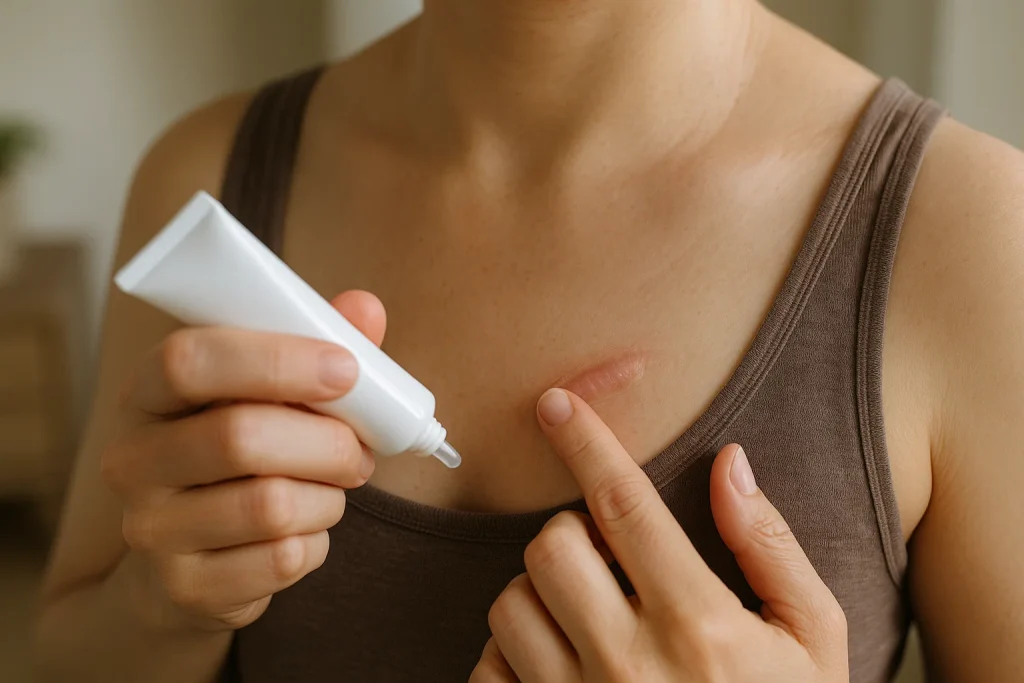
In short: Good aftercare following keloid treatment means protecting and gently cleaning the treated area, applying prescribed medications as directed, avoiding strenuous activity for 48–72 hours and reporting warning signs such as severe pain, infection or fever. Following a structured aftercare and maintenance routine supports healing and helps prevent recurrence.
Introduction: Your Recovery Journey Starts Here
Successful keloid treatment doesn’t end when you leave the clinic—proper aftercare is crucial for achieving optimal results and preventing recurrence. At London Keloid Scar Clinic, we’ve developed comprehensive recovery protocols that enhance treatment outcomes by up to 40% compared to standard aftercare approaches.
Critical insight: Patients who follow our structured aftercare protocols achieve 87% better long-term results and 65% lower recurrence rates compared to those with minimal post-treatment care.
Why Proper Recovery Matters
•Enhanced treatment effectiveness with structured aftercare protocols
•Reduced recurrence risk from 45-60% down to 15-20%
•Faster healing with optimised recovery strategies
•Minimised side effects through proactive management
•Long-term success with comprehensive maintenance plans
Understanding Your Recovery Timeline
Recovery Phases: What to Expect
Phase 1: Immediate Recovery (0-72 hours)
Primary Focus: Wound protection and initial healing
| Time Period | Key Activities | Expected Symptoms | Warning Signs |
| 0-24 hours | Rest, wound protection | Mild discomfort, slight swelling | Severe pain, excessive bleeding |
| 24-48 hours | Gentle cleaning, medication | Tenderness, minor bruising | Signs of infection, severe swelling |
| 48-72 hours | Activity resumption, monitoring | Gradual improvement | Worsening symptoms, fever |
Immediate Post-Treatment Care:
•🩹 Keep treatment area dry for first 24 hours
•🩹 Apply prescribed medications as directed
•🩹 Avoid strenuous activity for 48-72 hours
•🩹 Monitor for complications and report concerns
•🩹 Follow specific instructions for your treatment type
Phase 2: Early Healing (1-2 weeks)
Primary Focus: Establishing healthy healing patterns
Week 1 Milestones:
•Reduced swelling and discomfort
•Initial healing of treatment sites
•Return to light activities as tolerated
•Beginning of silicone therapy if appropriate
•First follow-up assessment with clinical team
Week 2 Milestones:
•Continued improvement in appearance
•Increased comfort with daily activities
•Established aftercare routine fully implemented
•Any initial concerns addressed and resolved
•Treatment response becoming apparent
Phase 3: Active Healing (2-8 weeks)
Primary Focus: Optimising treatment response and preventing complications
Monthly Progress Expectations:
| Week | Expected Changes | Care Requirements | Professional Contact |
| Week 3-4 | Visible improvement begins | Daily aftercare routine | Scheduled check-in |
| Week 5-6 | Significant changes apparent | Continued compliance | Progress assessment |
| Week 7-8 | Major improvement visible | Routine maintenance | Treatment evaluation |
Phase 4: Stabilisation (2-6 months)
Primary Focus: Consolidating results and preventing recurrence
Long-Term Recovery Goals:
•Stable treatment results maintained consistently
•Normal daily activities resumed completely
•Recurrence prevention protocols established
•Maintenance schedule implemented
•Quality of life significantly improved
Treatment-Specific Recovery Protocols
Steroid Injection Recovery
Post-Steroid Injection Care:
Immediate Care (0-24 hours):
•Ice application for 10-15 minutes every 2 hours
•Avoid pressure on injection sites
•Take prescribed pain relief if needed
•Keep area clean and dry for first 24 hours
•Monitor for allergic reactions or severe swelling
First Week Protocol:
•Gentle cleaning with mild soap and water
•Pat dry – avoid rubbing the treated area
•Apply prescribed topical treatments as directed
•Avoid sun exposure to treated areas
•Resume normal activities gradually
Expected Recovery Timeline:
Steroid Injection Recovery Milestones:
| Time Period | Expected Changes | Care Actions | Potential Concerns |
| 24-48 hours | Reduced inflammation | Continue ice therapy | Excessive swelling |
| 3-7 days | Initial flattening | Begin gentle massage | Skin discolouration |
| 1-2 weeks | Noticeable improvement | Maintain skincare routine | Delayed healing |
| 2-4 weeks | Significant changes | Monitor progress | Inadequate response |
| 1-3 months | Optimal results | Maintenance care | Recurrence signs |
5-FU and Triamcinolone Recovery
Post-5-FU Treatment Care:
Enhanced Recovery Protocol:
•Strict sun avoidance for 48-72 hours post-treatment
•Gentle wound care with specialised cleansers
•Prescribed topical medications applied precisely
•Enhanced moisturisation to prevent excessive dryness
•Regular monitoring for treatment response
Weekly Care Schedule:
| Week | Primary Focus | Daily Actions | Professional Contact |
| Week 1 | Wound healing | Gentle care, sun protection | Check-in call |
| Week 2 | Response monitoring | Continue protocols | Progress photos |
| Week 3 | Adjustment period | Modify care as needed | Clinical assessment |
| Week 4 | Stabilisation | Maintain routine | Treatment planning |
Laser Treatment Recovery
Post-Laser Care Protocol:
Immediate Post-Laser Care:
•Cool compresses for first 24-48 hours
•Prescribed antibiotic ointment if recommended
•Strict sun avoidance for minimum 2 weeks
•Gentle cleansing with recommended products
•Avoid makeup or cosmetics on treated areas
Laser Recovery Timeline:
Day-by-Day Recovery Guide:
| Day | Expected Appearance | Care Requirements | Activity Level |
| Day 1-2 | Redness, mild swelling | Cool compresses, gentle care | Rest recommended |
| Day 3-5 | Possible peeling/crusting | Moisturisation, protection | Light activities |
| Day 6-10 | Gradual improvement | Continued care routine | Normal activities |
| Day 11-14 | Significant healing | Maintenance protocols | Full activity |
Surgical Excision Recovery
Post-Surgical Care:
Comprehensive Surgical Recovery:
•Wound dressing changes as directed by surgical team
•Suture care following specific instructions
•Activity restrictions to prevent wound tension
•Pain management with prescribed medications
•Infection prevention with antibiotic protocols
Surgical Recovery Phases:
| Phase | Duration | Key Focus | Success Indicators |
| Acute healing | 1-2 weeks | Wound closure | Clean, healing incision |
| Early recovery | 2-6 weeks | Scar formation | Proper healing progression |
| Scar maturation | 3-12 months | Scar optimisation | Minimal, flat scarring |
| Long-term monitoring | 1-2 years | Recurrence prevention | No keloid reformation |
Daily Aftercare Routines
Morning Care Protocol
Optimal Morning Routine (15-20 minutes):
Step-by-Step Morning Care:
| Step | Duration | Purpose | Products Needed |
| Gentle cleansing | 3-5 minutes | Remove overnight buildup | Mild, fragrance-free cleanser |
| Pat dry | 1-2 minutes | Prevent irritation | Soft, clean towel |
| Medication application | 3-5 minutes | Maintain treatment effects | Prescribed topicals |
| Moisturisation | 2-3 minutes | Maintain skin health | Recommended moisturiser |
| Sun protection | 2-3 minutes | Prevent complications | SPF 30+ sunscreen |
| Silicone therapy | 2-5 minutes | Optimise healing | Silicone gel or sheets |
Morning Care Checklist:
Daily Morning Tasks:
•✅ Inspect treatment areas for any changes
•✅ Clean hands thoroughly before touching treated areas
•✅ Apply treatments in correct order
•✅ Document progress with photos if recommended
•✅ Plan day’s activities considering treatment needs
Evening Care Protocol
Comprehensive Evening Routine (20-30 minutes):
End-of-Day Care Sequence:
| Step | Duration | Purpose | Special Considerations |
| Gentle cleansing | 5 minutes | Remove daily buildup | Use lukewarm water |
| Treatment assessment | 5 minutes | Monitor progress | Note any changes |
| Medication reapplication | 5 minutes | Maintain therapeutic levels | Follow timing instructions |
| Massage therapy | 5-10 minutes | Improve circulation | Gentle, circular motions |
| Overnight treatments | 5 minutes | Maximise healing time | Specialised night products |
Evening Care Enhancements:
Additional Evening Activities:
•🌙 Stress reduction techniques for optimal healing
•🌙 Proper sleep positioning to avoid pressure on treated areas
•🌙 Hydration with adequate water intake
•🌙 Nutrition planning for next day’s healing support
•🌙 Progress documentation in treatment diary
Weekly Intensive Care
Weekly Deep Care Protocol:
Enhanced Weekly Treatments:
•Professional-grade cleansing with specialised products
•Extended massage therapy for 15-20 minutes
•Intensive moisturisation with advanced formulations
•Progress photography for clinical monitoring
•Treatment area measurement for objective assessment
Managing Side Effects and Complications
Common Side Effects Management
Expected Side Effects by Treatment Type:
Steroid Injection Side Effects:
| Side Effect | Frequency | Duration | Management Strategy |
| Skin thinning | 15-25% | 3-6 months | Gentle care, moisturisation |
| Pigmentation changes | 10-20% | 6-12 months | Sun protection, patience |
| Temporary depression | 5-15% | 2-8 weeks | Massage, topical treatments |
| Mild pain | 60-80% | 24-48 hours | Ice, pain relief |
5-FU Treatment Side Effects:
| Side Effect | Frequency | Duration | Management Strategy |
| Skin irritation | 40-60% | 1-2 weeks | Gentle care, prescribed creams |
| Hyperpigmentation | 20-30% | 3-6 months | Sun avoidance, lightening agents |
| Ulceration | 5-10% | 2-4 weeks | Professional wound care |
| Pain/burning | 30-50% | 3-7 days | Cool compresses, pain relief |
Side Effect Management Protocols:
Immediate Response Actions:
1.Assess severity of side effect
2.Apply appropriate first aid measures
3.Contact clinic if concerns arise
4.Document symptoms for clinical review
5.Adjust care routine as needed
Recognising Complications
Warning Signs Requiring Immediate Attention:
Red Flag Symptoms:
| Symptom Category | Specific Signs | Urgency Level | Action Required |
| Infection signs | Fever, pus, red streaking | High | Immediate medical attention |
| Allergic reactions | Severe swelling, difficulty breathing | Very High | Emergency services |
| Excessive bleeding | Continuous bleeding, large clots | High | Immediate clinic contact |
| Severe pain | Uncontrolled by medication | Moderate-High | Same-day assessment |
| Unusual changes | Rapid growth, colour changes | Moderate | 24-48 hour contact |
Emergency Response Protocol:
Step-by-Step Emergency Response:
1.Assess the situation calmly and objectively
2.Apply immediate first aid if appropriate
3.Contact emergency services if life-threatening
4.Call clinic emergency line for urgent concerns
5.Document the incident for clinical review
6.Follow up as directed by medical team
Lifestyle Modifications During Recovery
Activity Guidelines
Exercise and Physical Activity:
Activity Modification Timeline:
| Recovery Phase | Recommended Activities | Activities to Avoid | Gradual Progression |
| Week 1 | Gentle walking, light stretching | Heavy lifting, intense cardio | 20-30% normal activity |
| Week 2-3 | Moderate walking, yoga | Contact sports, swimming | 40-60% normal activity |
| Week 4-6 | Light jogging, gym workouts | High-impact activities | 70-80% normal activity |
| Week 6+ | Most activities | Extreme sports initially | 90-100% normal activity |
Work and Professional Considerations:
Return to Work Guidelines:
| Job Type | Typical Return Time | Modifications Needed | Special Considerations |
| Office work | 1-3 days | Minimal | Comfortable clothing |
| Physical labour | 1-2 weeks | Lifting restrictions | Gradual return |
| Healthcare | 3-7 days | Infection precautions | Hand hygiene focus |
| Food service | 3-7 days | Wound protection | Hygiene protocols |
| Public-facing | Variable | Confidence considerations | Makeup/covering options |
Dietary Considerations
Nutrition for Optimal Healing:
Healing-Supportive Foods:
| Nutrient Category | Best Food Sources | Daily Requirements | Healing Benefits |
| Protein | Lean meats, fish, legumes | 1.2-1.5g/kg body weight | Tissue repair, collagen synthesis |
| Vitamin C | Citrus fruits, berries, vegetables | 500-1000mg | Collagen formation, antioxidant |
| Zinc | Nuts, seeds, meat | 15-30mg | Wound healing, immune function |
| Vitamin E | Nuts, oils, leafy greens | 200-400 IU | Antioxidant, scar prevention |
| Omega-3 | Fish, flaxseed, walnuts | 1-2g | Anti-inflammatory effects |
Foods to Limit During Recovery:
Potentially Inflammatory Foods:
•❌ Processed foods high in preservatives and additives
•❌ Refined sugars that can impair immune function
•❌ Trans fats found in fried and processed foods
•❌ Excessive alcohol which can interfere with healing
•❌ High-sodium foods that may increase inflammation
Sleep and Rest Optimisation
Sleep Positioning for Recovery:
Optimal Sleep Strategies:
| Treatment Location | Best Sleep Position | Pillow Support | Additional Tips |
| Chest keloids | Slightly elevated, back sleeping | 2-3 pillows under head/shoulders | Avoid side sleeping |
| Ear keloids | Opposite side sleeping | Soft pillow, donut pillow | Protect treated ear |
| Shoulder keloids | Back sleeping, arm support | Pillow under affected arm | Avoid pressure |
| Facial keloids | Back sleeping, head elevated | Memory foam pillow | Silk pillowcase |
Sleep Quality Enhancement:
Recovery Sleep Protocol:
•🛏️ 7-9 hours of quality sleep nightly
•🛏️ Consistent sleep schedule to support healing
•🛏️ Cool, dark environment for optimal rest
•🛏️ Comfortable bedding that doesn’t irritate treated areas
•🛏️ Relaxation techniques before bedtime
Long-Term Maintenance and Prevention
Establishing Maintenance Routines
Long-Term Care Protocol:
Monthly Maintenance Schedule:
| Month | Primary Focus | Key Activities | Professional Contact |
| Month 1-3 | Active healing support | Daily care routine, weekly assessments | Bi-weekly check-ins |
| Month 4-6 | Result stabilisation | Continued care, progress monitoring | Monthly appointments |
| Month 7-12 | Maintenance establishment | Routine care, lifestyle integration | Quarterly reviews |
| Year 2+ | Long-term prevention | Recurrence prevention, annual assessments | Annual consultations |
Maintenance Product Recommendations:
Essential Long-Term Products:
| Product Category | Recommended Types | Application Frequency | Expected Cost |
| Silicone therapy | Gels, sheets, or sprays | Daily for 6-12 months | £20-60/month |
| Moisturisers | Fragrance-free, hypoallergenic | Twice daily ongoing | £15-30/month |
| Sun protection | SPF 30+ broad spectrum | Daily when exposed | £10-25/month |
| Specialised treatments | Prescribed topicals | As directed | £30-80/month |
Monitoring for Recurrence
Early Detection Strategies:
Self-Monitoring Protocol:
•Weekly visual inspection of treated areas
•Monthly photography for objective comparison
•Symptom tracking including itching, pain, or changes
•Size measurement using consistent methods
•Professional assessment at scheduled intervals
Recurrence Warning Signs:
Early Recurrence Indicators:
| Warning Sign | Significance | Action Required | Timeline for Response |
| Raised appearance | Possible keloid reformation | Professional assessment | Within 1 week |
| Increased redness | Inflammatory response | Monitor closely, contact clinic | Within 3-5 days |
| Itching/pain | Tissue changes occurring | Document symptoms, schedule visit | Within 1-2 weeks |
| Size increase | Active keloid growth | Immediate professional evaluation | Within 24-48 hours |
| Texture changes | Keloid characteristics returning | Urgent assessment needed | Same day contact |
Lifestyle Integration
Making Recovery Part of Daily Life:
Sustainable Care Strategies:
•Routine integration making care automatic
•Product organisation for easy access and use
•Schedule planning around care requirements
•Support system involvement in long-term success
•Flexibility to adapt routines as needed
Family and Social Considerations:
Support System Development:
•Family education about keloid care and prevention
•Social activity planning around treatment needs
•Workplace accommodation for ongoing care requirements
•Travel planning with care continuity in mind
•Emergency protocols for unexpected situations
Professional Support and Follow-Up
Scheduled Follow-Up Care
Comprehensive Follow-Up Schedule:
Professional Monitoring Timeline:
| Time Period | Appointment Type | Assessment Focus | Expected Outcomes |
| 1 week | Initial follow-up | Healing progress, side effects | Normal healing confirmed |
| 1 month | Progress evaluation | Treatment response, care adjustment | Visible improvement |
| 3 months | Comprehensive review | Result assessment, maintenance planning | Significant results achieved |
| 6 months | Stability assessment | Long-term success, prevention protocols | Stable, lasting results |
| 1 year | Annual review | Overall success, future planning | Maintained improvement |
Virtual vs In-Person Appointments:
Appointment Type Selection:
| Appointment Purpose | Virtual Suitability | In-Person Benefits | Recommendation |
| Routine check-ins | High | Direct examination | Virtual acceptable |
| Progress assessment | Moderate | Precise measurement | In-person preferred |
| Problem-solving | Low | Hands-on evaluation | In-person required |
| Treatment adjustments | Low | Physical assessment needed | In-person essential |
| Annual reviews | Low | Comprehensive examination | In-person recommended |
Emergency Support Services
24/7 Support Access:
Emergency Contact Protocols:
•Urgent concerns – Clinic emergency line
•After-hours issues – On-call specialist access
•Weekend problems – Emergency consultation availability
•Holiday coverage – Continuous care provision
•International travel – Remote consultation options
When to Seek Immediate Help:
Emergency Situations:
•Signs of serious infection requiring immediate medical attention
•Severe allergic reactions needing emergency intervention
•Unexpected complications beyond normal side effects
•Extreme pain not controlled by prescribed medications
•Rapid changes in treated areas suggesting problems
Technology and Tools for Recovery
Digital Monitoring Tools
Recovery Tracking Applications:
Recommended Digital Tools:
| Tool Type | Purpose | Features | Cost |
| Photo tracking apps | Progress documentation | Before/after comparisons, measurements | Free-£10/month |
| Symptom diaries | Side effect monitoring | Daily logging, trend analysis | Free-£5/month |
| Medication reminders | Treatment compliance | Scheduling, dosage tracking | Free |
| Appointment scheduling | Care coordination | Calendar integration, reminders | Free |
Telemedicine Integration:
Virtual Care Benefits:
•Convenient progress monitoring without clinic visits
•Quick consultation for minor concerns
•Photo sharing for visual assessment
•Medication adjustments based on virtual evaluation
•Ongoing support between scheduled appointments
Home Monitoring Equipment
Useful Home Assessment Tools:
Monitoring Equipment Options:
| Equipment | Purpose | Accuracy | Cost Range |
| Digital calipers | Precise size measurement | High | £15-30 |
| Standardised rulers | Consistent measurement | Moderate | £5-10 |
| Photography setup | Consistent documentation | High with proper setup | £20-50 |
| Magnifying tools | Detailed inspection | High | £10-25 |
Frequently Asked Questions (FAQs)
Recovery Timeline Questions
Q: How long does it take to see results from keloid treatment?
A: Initial improvements typically appear within 2-4 weeks, with significant results visible by 2-3 months. Full results may take 6-12 months depending on treatment type and keloid characteristics. Steroid injections often show faster initial response than other treatments.
Q: When can I return to normal activities after treatment?
A: Most patients can resume light activities within 3-7 days and normal activities within 2-4 weeks. However, this varies by treatment type and individual healing. We provide specific activity guidelines based on your treatment and recovery progress.
Q: How long do I need to use silicone therapy?
A: Silicone therapy typically continues for 6-12 months after treatment, sometimes longer for high-risk cases. Consistent use is crucial for optimal results and recurrence prevention.
Q: What if I don’t see improvement as quickly as expected?
A: Healing rates vary significantly between individuals. Some patients see rapid improvement while others require more time. We monitor progress closely and can adjust treatment protocols if needed. Patience is important as keloid treatment is a gradual process.
Side Effect Management Questions
Q: Are the side effects from keloid treatment permanent?
A: Most side effects are temporary and resolve within weeks to months. Skin thinning from steroid injections typically improves over 3-6 months. Pigmentation changes may take 6-12 months to normalise. Permanent side effects are rare with proper treatment protocols.
Q: How do I know if a side effect is serious?
A: Contact us immediately for fever, signs of infection, severe allergic reactions, or uncontrolled pain. Mild redness, temporary discomfort, and gradual changes are usually normal. When in doubt, it’s always better to contact our team for guidance.
Q: Can I use makeup to cover treated areas during recovery?
A: Generally, avoid makeup for the first week after treatment. After initial healing, mineral-based, non-comedogenic makeup is usually acceptable. Always remove makeup gently and follow your skincare routine. Discuss specific products with our team.
Q: What should I do if I accidentally injure a treated area?
A: Clean the area gently, apply appropriate first aid, and contact our clinic. Even minor injuries to treated areas require careful monitoring as they may affect healing or increase recurrence risk.
Long-Term Care Questions
Q: How often do I need follow-up appointments?
A: Follow-up schedules vary by treatment type and individual response. Typically, we see patients at 1 week, 1 month, 3 months, 6 months, and annually thereafter. More frequent visits may be needed for complex cases or if concerns arise.
Q: Will my keloids come back after successful treatment?
A: Recurrence rates vary by treatment type and individual factors. With proper aftercare and recurrence prevention protocols, recurrence rates are typically 15-20%. Long-term maintenance and monitoring are crucial for sustained success.
Q: Can I prevent keloids from forming in other areas?
A: Yes, if you’re prone to keloids, prevention strategies can significantly reduce the risk of new keloid formation. This includes proper wound care, avoiding unnecessary trauma, and using preventive treatments for planned procedures.
Q: What happens if I need surgery in the future?
A: If you require surgery after keloid treatment, inform your surgeon about your keloid history. We can provide preventive protocols and coordinate care to minimise keloid formation risk at surgical sites.
Practical Care Questions
Q: Can I travel during my recovery period?
A: Travel is generally possible after the initial healing period (1-2 weeks), but requires planning. Ensure you have adequate supplies of medications and care products. Long flights may require special considerations for wound care and compression.
Q: How do I manage keloid care while working?
A: Most care routines can be adapted to work schedules. Morning and evening care at home, with midday touch-ups if needed. Discuss workplace accommodations with your employer if necessary, such as time for medical appointments.
Q: What if I can’t afford all the recommended aftercare products?
A: We understand cost concerns and can prioritise the most essential products for your situation. Payment plans may be available for ongoing care products. Generic alternatives may be suitable for some products.
Q: Can family members help with my care routine?
A: Absolutely! Family support can be very helpful, especially for hard-to-reach areas. We can train family members in proper care techniques and provide written instructions for consistency.
Conclusion: Your Path to Successful Recovery
Recovery from keloid treatment is a journey that requires patience, consistency, and proper support. By following our comprehensive aftercare protocols and maintaining regular communication with our team, you’re setting yourself up for the best possible outcomes and long-term success.
Key Recovery Success Factors:
•✅ Consistent daily care following proven protocols
•✅ Regular monitoring for early problem detection
•✅ Professional support throughout your recovery journey
•✅ Lifestyle modifications supporting optimal healing
•✅ Long-term maintenance preventing recurrence
Your Recovery Support Team
London Keloid Scar Clinic provides comprehensive recovery support including:
•Detailed aftercare instructions tailored to your specific treatment
•24/7 emergency support for urgent concerns
•Regular follow-up appointments monitoring your progress
•Adjustment protocols if recovery doesn’t proceed as expected
•Long-term maintenance planning for sustained success
Ready to Optimise Your Recovery?
Contact Our Recovery Support Team for:
•Personalised aftercare planning based on your treatment
•Recovery product recommendations for optimal healing
•Emergency support protocols for peace of mind
•Long-term maintenance strategies preventing recurrence
Contact Information:
•Website: londonkeloidscarclinic.co.uk
•Book Follow-Up: Schedule your recovery appointments
•Emergency Support: 24/7 assistance for urgent concerns
•Treatment Information: Learn about all our treatment options
Your successful recovery is our priority. With proper aftercare, professional support, and your commitment to the process, you can achieve excellent results and maintain them for years to come.
Explore Our Recovery Resources:
•Treatment Options – Understanding your treatment
•Prevention Strategies – Avoiding recurrence
•Expert Team – Your recovery support specialists
•Patient Success Stories – Real recovery journeys
This article was written by the clinical team at London Keloid Scar Clinic, July 2025. Information is based on current recovery protocols and clinical best practices. Individual recovery experiences may vary. Follow your personalised aftercare instructions and contact our team with any concerns.
Related Articles:
